


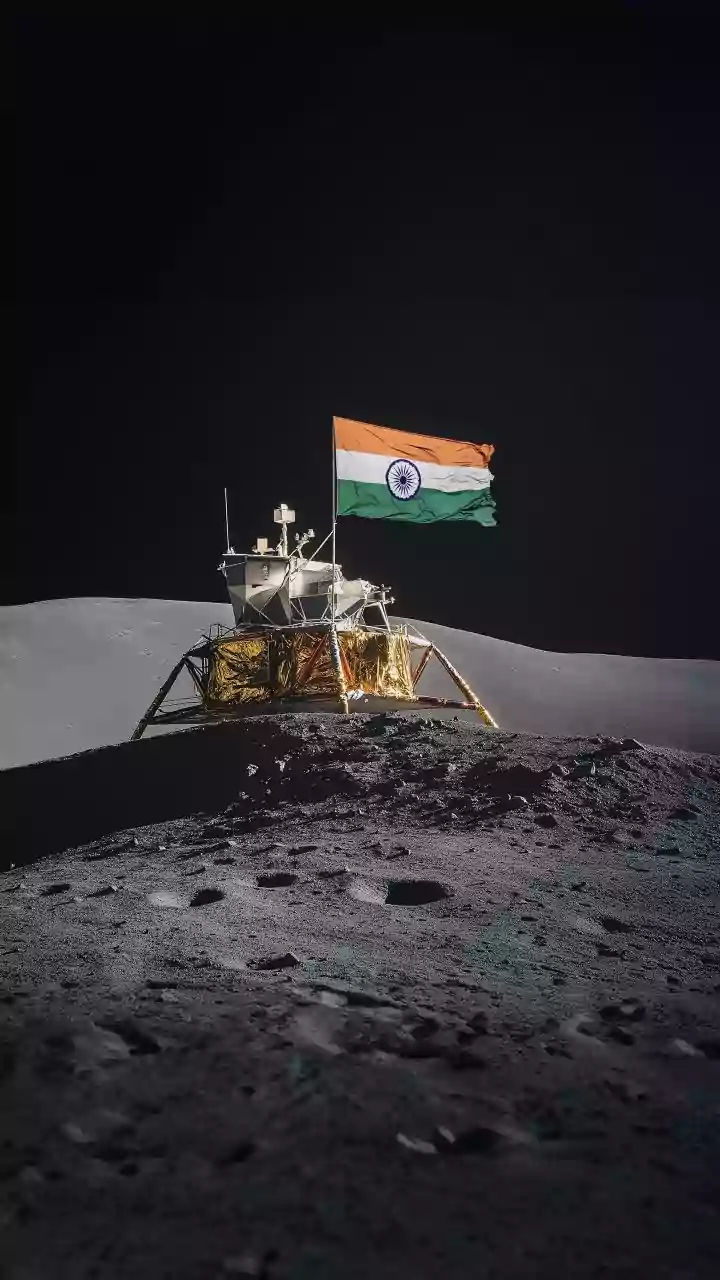





A Major Policy Shift
The single biggest catalyst has been a seismic shift in government policy. The Indian Space Policy 2023 was a game-changer, formally opening the floodgates for private companies to participate in end-to-end space activities. Historically, the space sector
was the exclusive domain of the Indian Space Research Organisation (ISRO). Now, the government's vision is for ISRO to focus on research and development while private entities drive the commercial aspects. This transition is facilitated by IN-SPACe (Indian National Space Promotion and Authorisation Centre), a single-window agency designed to promote, authorise, and supervise private space ventures. By easing regulations, liberalising Foreign Direct Investment (FDI), and providing access to ISRO's facilities, the government has rolled out the welcome mat for entrepreneurs.
The Soaring Value of Data
In the digital age, data is a goldmine, and Earth observation (EO) satellites generate vast quantities of it. This data provides invaluable insights for a multitude of sectors. In agriculture, satellite imagery can monitor crop health, predict yields, and optimise irrigation, directly impacting food security. For urban planning, it helps track infrastructure development and manage resources. In disaster management—a critical area for India—EO data provides real-time information for tracking cyclones, assessing flood damage, and planning relief efforts. This has created a booming downstream market where startups are not just launching satellites but also developing sophisticated AI-powered platforms to analyse this data, turning raw images into actionable intelligence for businesses and governments.
Technology Makes It Possible
The ambition to enter the space business is now matched by accessibility, thanks to technological advancements. The rise of smaller, more affordable satellites, often called smallsats or cubesats, has dramatically lowered the barrier to entry. Startups no longer need the colossal budgets once required to build and launch satellites. Furthermore, ISRO's role in transferring technology to the private sector has been crucial, giving companies a solid foundation to build upon. Innovations are also happening within the startups themselves. Companies like Pixxel are developing hyperspectral imaging satellites that can see things invisible to standard cameras, while GalaxEye is creating a satellite that fuses optical and radar data to see through clouds and at night.
A Growing Market and Investor Confidence
The economic potential of India's space sector is immense. Valued at around USD 8-9 billion, it is projected to grow to over USD 40 billion within the next decade. Earth observation is a significant driver of this growth, with the Indian EO market alone expected to reach nearly USD 380 million by 2030, growing at a compound annual rate of over 12%. This potential has not gone unnoticed by investors. The number of Indian space startups has surged from just a handful a decade ago to over 400 in 2026. Significant funding rounds for companies like Pixxel and SatSure highlight the growing confidence that investors have in the sector's ability to generate substantial returns. This influx of capital is critical for the research, development, and deployment of complex satellite constellations.