


Understanding the 'Bharat' Brand Initiative
Launched to curb food inflation and make staples more affordable, the 'Bharat' brand provides wheat flour (atta) and rice to consumers at significantly lower prices than other market brands. The scheme, distributed through cooperatives like NAFED, NCCF,
and Kendriya Bhandar, aims to ensure that essential food items are accessible to the general public. The government allocates large quantities of wheat and rice for this purpose, with the goal of stabilising prices, especially during festive seasons. While the programme was temporarily halted in April 2025 as market prices stabilised, it has been revived to continue offering this relief to consumers.
Why the Subsidised Price Isn't Everything
An attractive price is the main draw of the Bharat brand, but relying on it alone can be misleading. The quality of staples like atta and rice directly impacts the taste, texture, and nutritional value of your daily meals. Factors like freshness, grain quality, and processing methods play a crucial role. The government has stated its intention to ensure good quality and has even planned for a tracking system to monitor the products from milling to distribution. However, as a consumer, being proactive and knowing what to look for remains your best tool for making a smart purchase every time.
For Atta: Freshness Is Key
The most important factor after price is the manufacturing or milling date. Freshly milled atta has a faint, nutty aroma and a slightly sweet, earthy flavour. As atta ages, it loses its aroma and can smell flat, musty, or sour. This isn't just about taste; old flour also loses nutritional potency. Always check the package for a “milling date” or “packed on” date, not just the “best before” date. Ideally, atta should be consumed within two to three months of milling to ensure the best results for soft, flavourful rotis. Good quality atta should also feel uniform and slightly coarse between your fingers, not overly fine or lumpy.
For Atta: Check the Colour and Ingredients
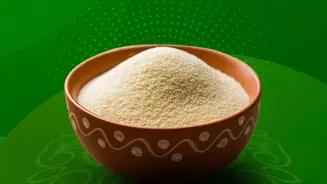
High-quality whole wheat atta should have a creamy white to light beige colour. A stark white appearance can indicate that it has been mixed with maida or has been overly refined, stripping away the nutritious bran. The ingredients list should be simple: “whole wheat flour.” Any additions like starch or flour improvers are worth questioning for everyday use. Furthermore, the performance in the kitchen is the ultimate test. Good atta produces a soft, elastic dough that doesn't turn sticky, and makes rotis that puff up well and stay soft for hours.
For Rice: Look at the Grains
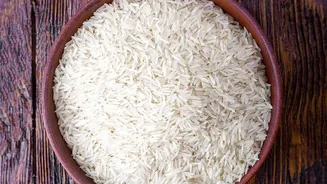
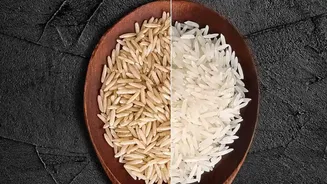
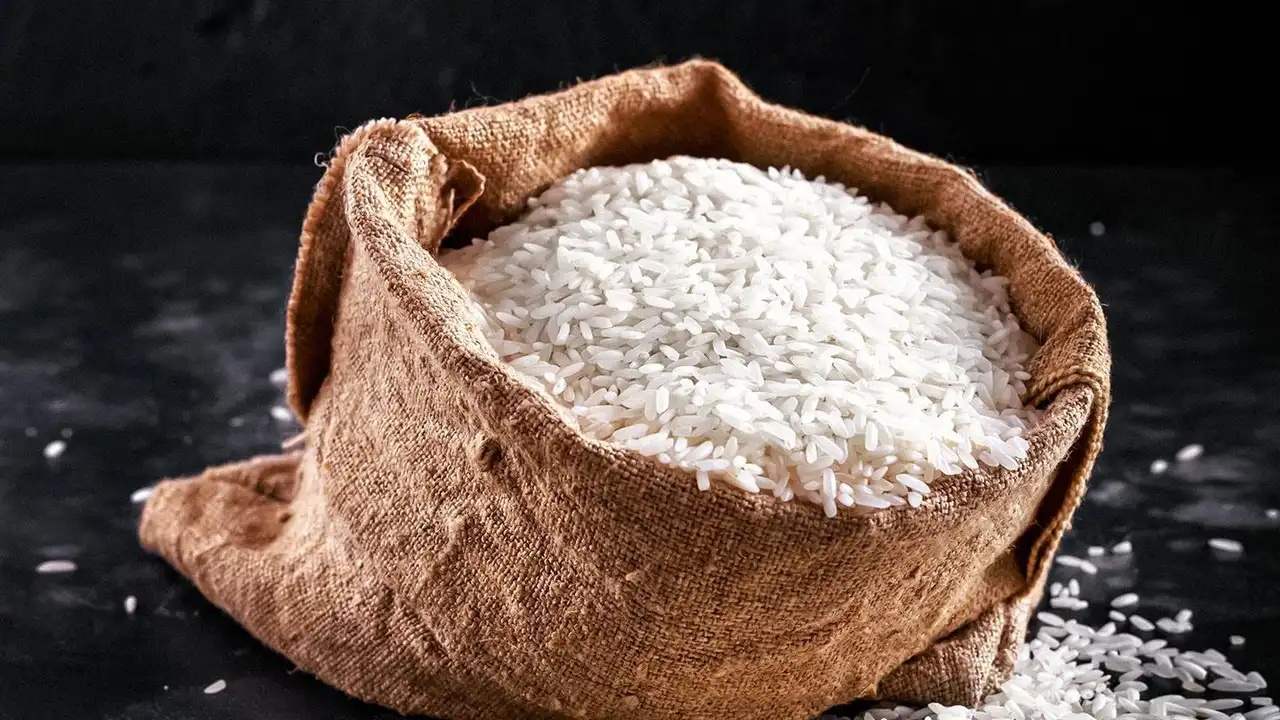
When purchasing rice, inspect the grains. They should be uniform in size and shape, which helps ensure they cook evenly. High-quality rice appears clear, shiny, and free from an excessive amount of broken pieces, cracks, or discolouration. A dull appearance or musty smell can be a sign of old or poorly stored stock. It's also important to note that Bharat Rice is often fortified with micronutrients like Iron, Folic Acid, and Vitamin B12 to help combat nutritional deficiencies. This can be identified by the “+F” logo on the packaging, adding a layer of nutritional benefit beyond the basic grain.
Making the Most of Your Purchase
Once you bring your subsidised atta and rice home, proper storage is essential to maintain their quality. Both should be stored in airtight containers in a cool, dry place, away from direct sunlight and moisture. This is particularly important for atta, as the natural oils in whole wheat can go rancid over time, affecting its taste and freshness. For rice, keeping it dry and sealed prevents it from absorbing odours and protects it from pests. By taking these simple steps, you can ensure that the value you get from the subsidised price extends all the way to your dining table.