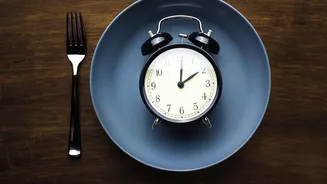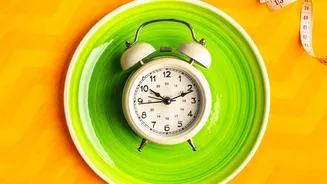






Your Body Runs on a 24-Hour Clock
Deep inside our bodies, a master clock is always ticking. Known as the circadian rhythm, this 24-hour cycle governs everything from our sleep-wake patterns to hormone release and, crucially, our metabolism. This internal timekeeper is located in the brain
but communicates with peripheral clocks in organs like the liver, pancreas, and intestines, telling them when to be active and when to rest. During the day, our metabolism is primed to burn energy and digest food efficiently. As evening approaches, our system naturally begins to wind down, preparing for a period of rest and cellular repair. This is why disruptions to this rhythm—from shift work, irregular schedules, or simply staying up late—can throw our metabolic processes out of sync.
The Problem with Late-Night Meals
Eating late at night forces your digestive system to work overtime when it's supposed to be powering down. Studies show that our body's ability to manage blood sugar is less effective in the evening. Insulin sensitivity, which is how well our cells respond to the hormone insulin to absorb glucose from the blood, naturally decreases as the day goes on. When you eat a meal late, especially one high in carbohydrates, the resulting blood sugar spike can be higher and last longer compared to eating the same meal earlier in the day. This happens because you are consuming food when your body is biologically preparing for sleep, not for digestion and energy use.
The Metabolic Consequences of Mistiming
This chronic mismatch between our eating schedule and our internal clock can lead to a cluster of conditions known as metabolic syndrome, which significantly increases the risk for type 2 diabetes, heart disease, and stroke. The specific changes associated with late eating include higher blood sugar levels, increased fat storage, and altered lipid profiles (like higher 'bad' cholesterol). Over time, this can lead to impaired glucose tolerance and insulin resistance, where the body’s cells don’t respond properly to insulin, a precursor to diabetes. Research also links late eating to a slower breakdown of fat, meaning more of the calories consumed at night are stored as fat, particularly around the abdomen.
Are 'Night Owls' at Greater Risk?
People who are naturally inclined to stay up late, often called 'night owls' or having an evening chronotype, may be particularly vulnerable. Studies have found that individuals with this preference are more likely to exhibit traits associated with metabolic syndrome. This risk is greatest when a late chronotype is combined with late-night eating habits. Night owls also tend to make poorer food choices later in the evening, often consuming more sugar and unhealthy fats. Interestingly, some research suggests that 'early birds' who are forced to eat late may experience an even greater negative metabolic impact, with more significant blood sugar spikes and reduced fat burning.
Aligning Your Habits for Better Health
The growing field of 'chrononutrition' suggests that when we eat can be as important as what we eat. The good news is that small adjustments can make a big difference. The key is to try and align your eating window with daylight hours as much as possible. Experts often suggest finishing your last meal at least three hours before bedtime to give your digestive system adequate time to process the food before you sleep. If your schedule makes early dinners difficult, focus on making your evening meal lighter and lower in carbohydrates. Establishing a regular sleep schedule, even on weekends, can also help stabilize your body's master clock and improve your overall metabolic function.