








First, Track Your Spending
Before you can set a limit, you need a clear picture of where your money is actually going. For one month, track every single non-essential purchase. This includes everything from your morning chai and streaming subscriptions to new clothes and weekend
outings. Use a dedicated app, a simple notebook, or your phone's notes. The goal isn't to judge your habits, but to gather data. You might be surprised by how much small, daily purchases accumulate. This audit is the essential first step to distinguishing between your 'needs' (rent, groceries, utilities) and your 'wants' (everything else).
Choose a Simple Budgeting Framework
Once you know where your money goes, a simple framework can help you allocate it. The 50/30/20 rule is a popular starting point. It suggests allocating your after-tax income so that 50% goes to needs, 20% to savings and debt repayment, and 30% to wants. This 30% for wants is your total discretionary spending pool. For example, if your take-home pay is ₹50,000 per month, you’d have ₹15,000 for all your non-essential spending. This framework isn't rigid; you can adjust the percentages based on your income and financial goals, but it provides clear guardrails.
Calculate Your Specific Limit
With your total discretionary pool defined (e.g., 30% of your income), you can break it down into a practical daily or weekly limit. If you have ₹15,000 for the month, that translates to about ₹3,750 per week or roughly ₹500 per day. Knowing this number makes in-the-moment decisions much easier. When faced with a potential purchase, you can ask, 'Does this fit into my ₹500 limit for today?' This transforms a vague goal of 'spending less' into a concrete, actionable plan. It's also helpful to set specific limits for categories where you tend to overspend, like dining out or shopping.
Separate Your Spending Money
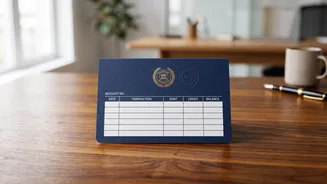
One of the most effective ways to stick to your limit is to physically or digitally separate your discretionary funds. Consider opening a second bank account just for your 'wants'. At the beginning of each month, transfer your allocated amount (e.g., that ₹15,000) into this account. Use the debit card from this account for all non-essential purchases. When the money is gone, it's gone. This creates a hard stop and prevents you from accidentally dipping into funds meant for bills or savings. For those who prefer a more tactile method, the classic 'envelope system'—using cash allocated for different categories—works on the same principle.
Manage Your Spending Triggers
Sticking to a limit often involves managing the impulse to spend. Identify the situations that trigger your overspending. Is it stress, boredom, or social media influence? To combat online shopping temptations, unsubscribe from promotional emails and remove your saved payment details from websites. For impulse buys, try implementing a 24-hour or 48-hour waiting period. If you still want the item after a day or two, you can make a more rational decision about whether it fits your budget and your values. This small delay helps separate emotion from the purchase decision.