




The Wisdom of the Indian Thali
In the modern wellness landscape, it’s easy to get lost in conflicting advice about what to eat. This often creates a sense of 'food fear', where familiar meals are viewed with suspicion. However, the solution to robust gut health might be simpler and more
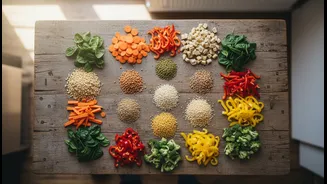
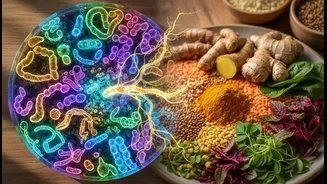
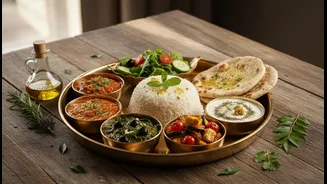
traditional than we think. The classic Indian thali is a masterclass in nutritional balance and diversity. It isn’t just a random assortment of dishes; it's a thoughtfully constructed plate designed to provide carbohydrates, proteins, fats, vitamins, and fibre in one sitting. This variety is precisely what the trillions of microbes in your gut—collectively known as the gut microbiome—crave to thrive. A healthy gut is linked to better digestion, stronger immunity, and even improved mood.
Fibre: The Foundation of Gut Health
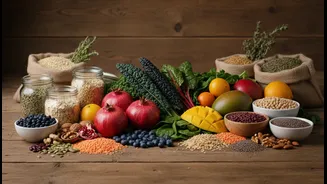
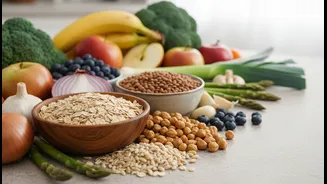
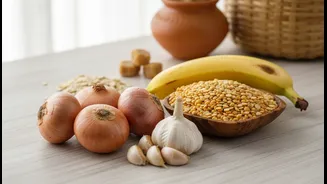
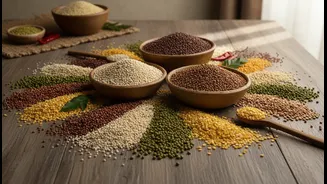
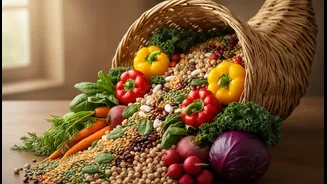
Dietary fibre is the main source of fuel for our beneficial gut bacteria. The traditional Indian diet is exceptionally rich in fibre, primarily from lentils and legumes. Everyday staples like dal, rajma, and chana are packed with prebiotic fibres. These fibres pass through the digestive system undigested until they reach the colon, where they nourish beneficial bacteria like Bifidobacteria and Lactobacilli. This process leads to the production of short-chain fatty acids (SCFAs), which are vital for maintaining a healthy gut lining and reducing inflammation. Whole grains such as millets (ragi, jowar, bajra) and raw bananas also contribute a type of fibre called resistant starch, which further supports a diverse and resilient microbiome.
A Probiotic Powerhouse in Your Kitchen
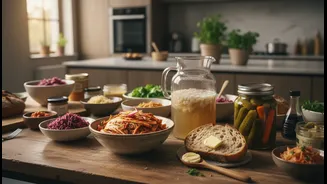
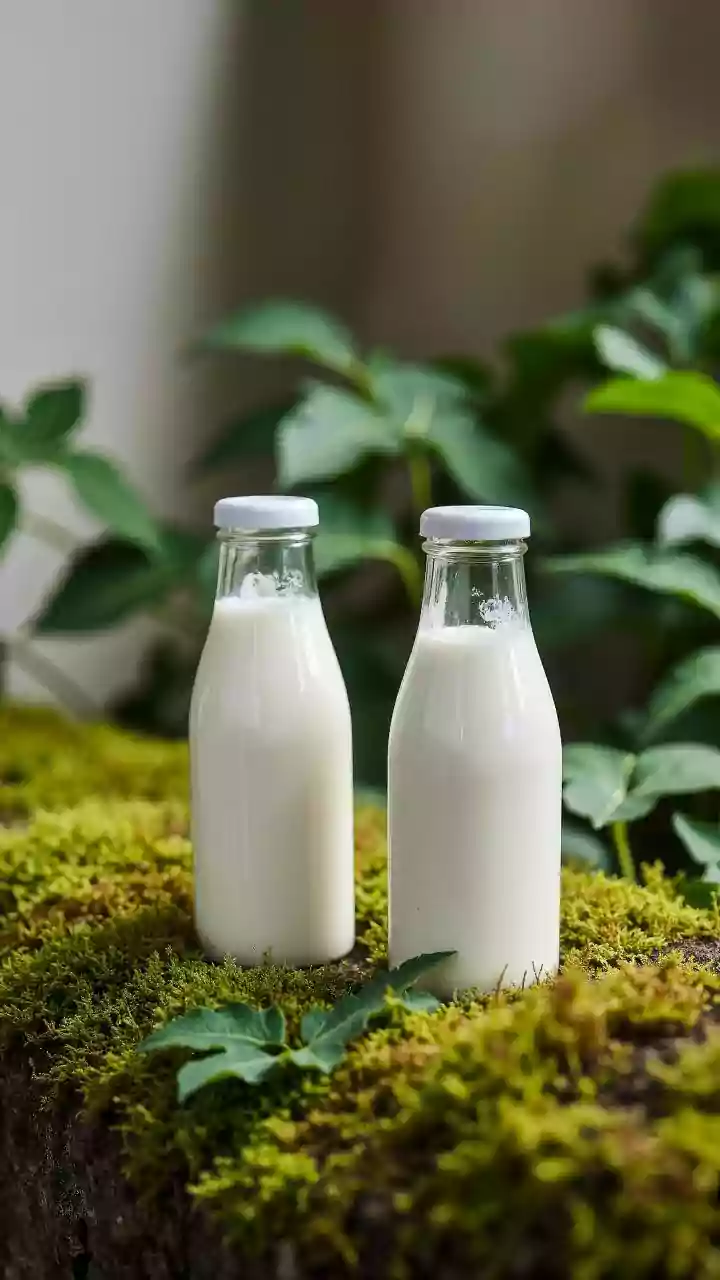
While prebiotics feed good bacteria, probiotics introduce them directly into your system. Indian kitchens have a long and rich history of using fermented foods, which are natural sources of probiotics. Homemade dahi (curd) is perhaps the most common and effective one, containing live bacterial cultures that aid digestion. Similarly, buttermilk (chaas) is another refreshing probiotic drink that cools the body and supports gut health. South Indian staples like idli and dosa are made from a fermented batter of rice and lentils. This fermentation process not only makes them easier to digest but also populates them with beneficial microbes that enrich your gut flora.
Spices: More Than Just Flavour
Indian spices are not just for taste; they play a significant role in gut health. Many spices have prebiotic-like effects and anti-inflammatory properties that create a favourable environment for good bacteria. Turmeric contains curcumin, a compound that supports the gut lining. Cumin has been traditionally used to ease digestion. Garlic and onions are potent prebiotics that fuel beneficial microbes. Even a single meal with mixed spices has been shown to positively alter gut bacteria, reducing less helpful strains and increasing beneficial ones. These spices work in synergy, making every meal a potential boost for your digestive system.
Eating Without Fear
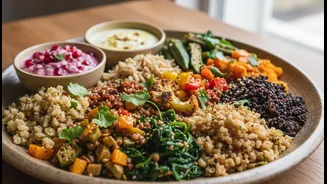
The transition to more processed, low-fibre diets is a growing concern for gut health in India. Embracing the principles of a traditional Indian plate can be a powerful antidote. The key lies in variety and balance. Instead of focusing on excluding foods, focus on including a wide array of vegetables, lentils, whole grains, and fermented foods. A simple meal of dal, rice, a seasonal vegetable sabzi, and a side of curd covers all the bases for a happy gut. By understanding the inherent wisdom in our culinary heritage, we can move away from food fear and learn to eat with confidence, knowing that a diverse Indian plate is one of the best tools for maintaining long-term health and well-being.