


A Shift from Fast Fashion to Conscious Choices
For years, the allure of fast fashion—with its endless cycle of cheap, trend-driven clothing—dominated young wardrobes. Today, a growing consciousness is taking root among younger consumers. Gen Z, arguably the most socially and environmentally aware
generation, is increasingly questioning the ethics of mass production. They are looking for more than just a fleeting style; they want stories, authenticity, and a connection to what they wear. This has paved the way for a handloom revival, where the value lies not in disposability, but in craftsmanship and longevity. By choosing a handwoven garment, they are consciously stepping away from the environmental toll of the fast fashion industry and opting for a more thoughtful approach to consumption.
Sustainability as a Style Statement
The appeal of handlooms for Gen Z is deeply intertwined with sustainability. Handloom production, by its very nature, has a significantly smaller carbon footprint than industrial power looms, as it often relies on manual energy. Many brands are also focusing on using natural fibres and organic, chemical-free dyes, which resonates strongly with an eco-conscious generation. For these young buyers, a handloom piece is not just an outfit; it’s a tangible representation of their values. Wearing a garment made with respect for the planet becomes a form of self-expression, proving that style and sustainability can go hand in hand.
Redefining Tradition for the Instagram Age
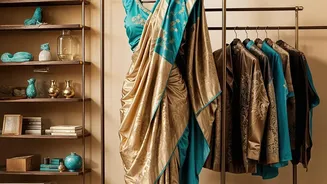
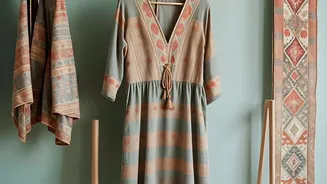
Social media has become a powerful catalyst in this movement. Platforms like Instagram have democratised fashion, allowing influencers and everyday users to showcase how traditional textiles can be styled in fresh, contemporary ways. Gone are the days when a Banarasi or Chanderi was reserved for weddings. Now, you might see an Ikat jacket paired with jeans, a hand-block printed skirt styled with sneakers, or a Khadi co-ord set worn for a casual day out. Designers and brands are also playing a crucial role by innovating with classic weaves, creating modern silhouettes like bomber jackets, dresses, and fusion separates that appeal to a globalised generation. This reinterpretation makes heritage feel relevant and aspirational, not restrictive.
A Deeper Connection to Cultural Identity
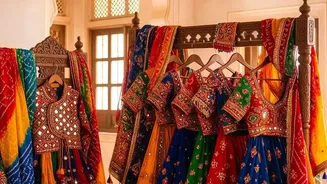
In a world of globalised trends, there is a growing desire among young Indians to connect with their roots. For Gen Z, wearing handloom is an act of cultural ownership and pride. These fabrics are more than just thread and dye; they are a cultural fingerprint, carrying stories of heritage and craftsmanship passed down through generations. Choosing to wear a Pochampally Ikat or a Jamdani weave is a way to express individuality while celebrating a collective legacy. It’s a move away from conforming to Western trends and towards creating a unique identity that is proudly Indian. This isn't about nostalgia; it's about making tradition a personal and powerful statement.
Supporting Artisans and Local Economies
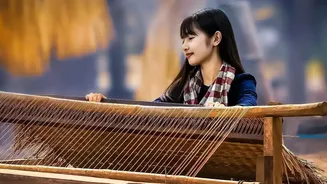
The handloom sector is one of India's largest employers in rural areas, second only to agriculture. However, for decades, weavers have faced challenges from the dominance of power looms and fast fashion. The renewed interest from Gen Z and contemporary designers is injecting new life and economic stability into artisan communities. Conscious consumers want to know the story behind their products, and many brands are now highlighting the artisans who create their textiles, ensuring fair wages and preserving invaluable skills. By investing in a handcrafted piece, this generation understands they are not just buying a product but supporting a person and helping to keep a rich artistic tradition alive for the future.