




Why Mandu Is Magical in the Monsoon
There's a reason Emperor Jehangir called Mandu the 'City of Joy' (Shadiabad), especially during the rains. From July to September, the entire plateau is enveloped in vibrant green, with ancient monuments playing hide-and-seek in the mist. The air is fresh,
the lakes are full, and the magnificent baobab trees stand tall against dramatic skies. It's a time when the city's romantic history feels most alive, turning a simple sightseeing trip into an atmospheric journey back in time. The weather is pleasant, with temperatures often ranging between 22-29°C, making it ideal for exploration. This season also sees fewer crowds than the peak winter months, allowing for a more peaceful experience.
The Floating Palace and Other Rainy Day Marvels
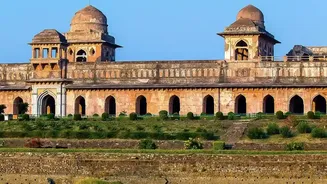
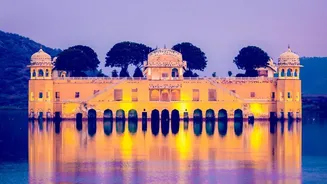
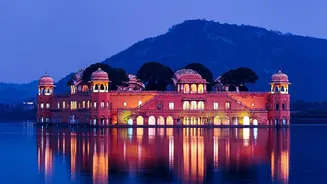
Mandu’s architecture truly comes alive in the monsoon. The star attraction, Jahaz Mahal or 'Ship Palace', is an architectural marvel built between two artificial lakes, Munj and Kapur Talao. When filled with rainwater, the palace creates a stunning illusion of a grand ship floating on water. Nearby, the Hindola Mahal, or 'Swinging Palace', captivates with its uniquely sloped walls that create a sense of movement. No monsoon visit is complete without a trip to Rani Roopmati's Pavilion. Perched on a cliff, this elegant structure offers breathtaking panoramic views of the Narmada valley below. Legend has it that the queen would gaze at the sacred river from here every day.
Getting There on a Shoestring Budget
Mandu is remarkably accessible and affordable for those in nearby cities. From Indore, which is about 95 km away, the journey is a breeze. The most budget-friendly option is to take a state-run bus from Sarwate Bus Stand in Indore. The trip takes about 2.5 to 3 hours and can cost as little as ₹100-₹150 for a one-way ticket. For those travelling from Bhopal, which is approximately 285 km away, regular bus services connect to Indore, from where you can easily find onward transport to Mandu. Driving by car is also a great option, with well-maintained roads offering a scenic 2-3 hour drive from Indore. A private taxi from Indore may cost around ₹2,500, which can be economical if shared among a group.
A Weekend Itinerary That Won't Break the Bank
A two-day trip is perfect for soaking in Mandu's charm. For accommodation, options range from budget guesthouses near the main market to reliable choices like MP Tourism's Malwa Resort, with rates starting as low as ₹800 per night. Entry fees for most monuments are nominal, often around ₹15-₹25 for Indian citizens. Start your first day exploring the Royal Enclave, which includes Jahaz Mahal and Hindola Mahal. On the second day, head to Rani Roopmati's Pavilion at sunrise for spectacular views, followed by a visit to Baz Bahadur's Palace and the historic Jami Masjid. For meals, skip expensive restaurants and head to local dhabas for authentic Malwi food. Enjoying street food like poha and jalebi for breakfast can cost as little as ₹30-₹50.
Beyond the Palaces: What Else to See
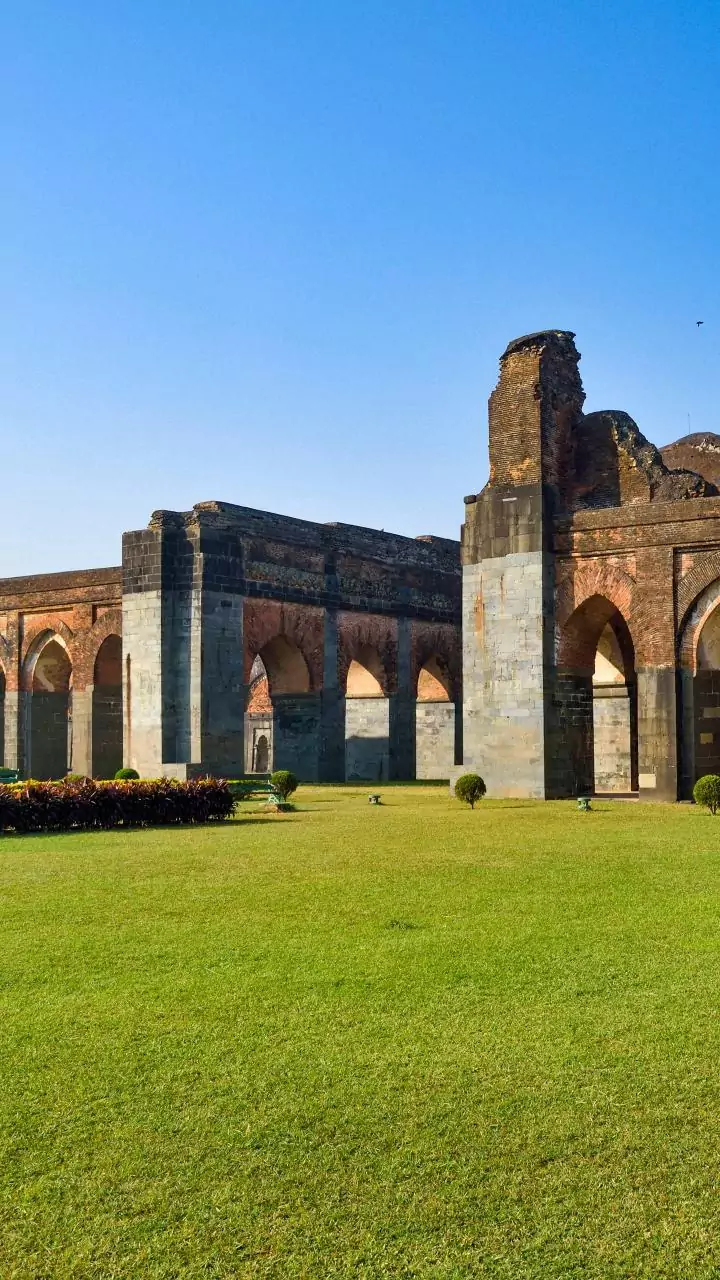
While the palaces are the main draw, Mandu offers more historical treasures. Visit Hoshang Shah's Tomb, a magnificent 15th-century marble mausoleum that is said to have inspired the architects of the Taj Mahal. Explore the sprawling Jami Masjid, inspired by the great mosque of Damascus, with its grand courtyards and imposing domes. The Taveli Mahal, located near Jahaz Mahal, now houses a small archaeological museum that provides deeper context to the ruins you explore. The Rewa Kund, an artificial lake built to supply water to Rani Roopmati's Pavilion, is another serene spot linked to the town's famous love story.