




The Prodigy on the World Stage
For a nation that has long prided itself on collective tactical identity, Spain has become increasingly reliant on the individual brilliance of an 18-year-old. Lamine Yamal, the Barcelona winger who has been breaking records since he was 16, is no longer
just a promising talent; he is a game-changer. His return from a minor injury earlier in the tournament has transformed Spain's attack, adding a dimension of unpredictability and directness that complements their traditional midfield control. While Luis de la Fuente's side remains supremely organised, having not conceded a single goal in the tournament, their attack often flows through Yamal. His ability to shoulder responsibility in high-pressure situations has become a defining feature of this Spanish side.
Belgium’s Disciplined But Vulnerable Defence
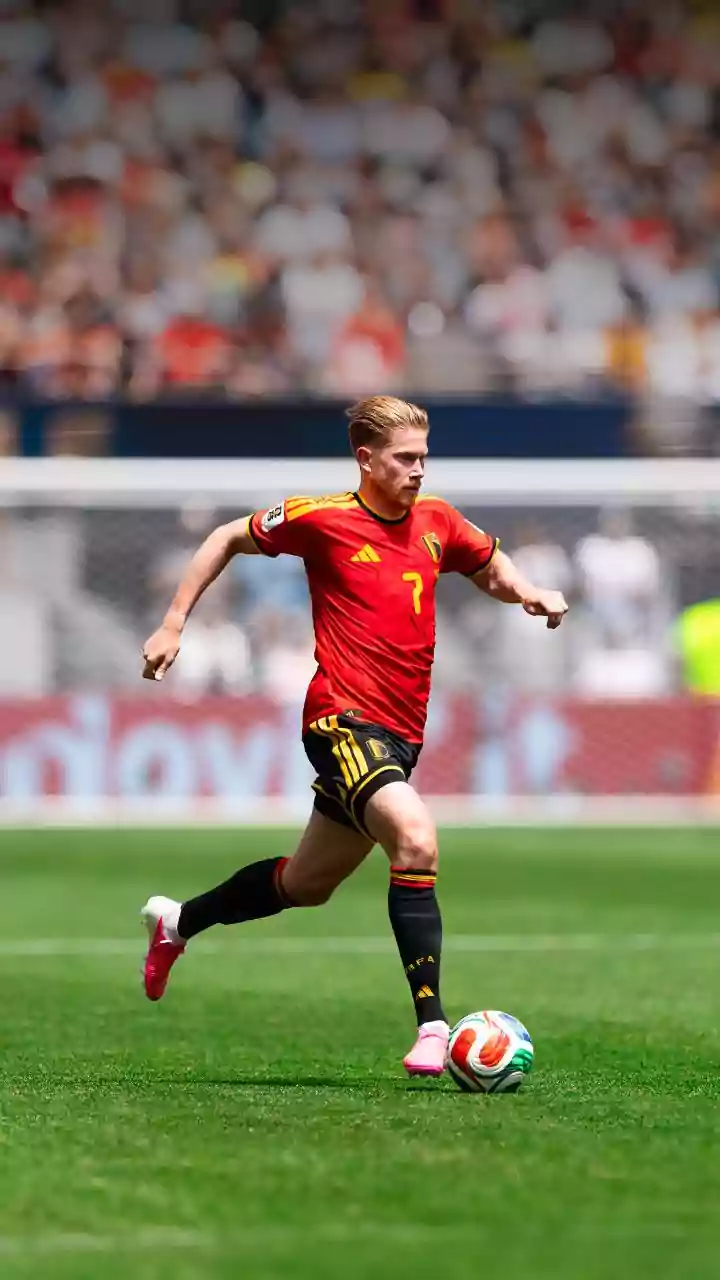
Belgium presents a formidable challenge. They are a team built on defensive structure and lightning-fast transitions, led by the creative genius of Kevin De Bruyne. Their tactical approach is to absorb pressure and then strike quickly, using the pace of players like Jérémy Doku and the physical presence of Romelu Lukaku. However, their defence, while experienced, can be vulnerable to specific threats. The Belgian backline may struggle against attackers with genuine pace and the ability to create one-on-one situations. Their strategy often involves staying compact and forcing opponents into wide areas, but this can be exploited by a player who thrives in isolation and has the intelligence to drift into central pockets of space.
Yamal’s Unique Arsenal of Skills
This is where Lamine Yamal becomes a tactical nightmare for the opposition. His defining quality is his efficient, purposeful dribbling. With a low centre of gravity, he combines explosive acceleration with incredible balance, allowing him to change direction rapidly and weave through tight spaces. Unlike other wingers, his dribbling isn't just for show; every move is designed to unbalance a defender and create a shooting or passing opportunity. He is equally comfortable stretching the defence by going wide as he is cutting inside to link up play, operating almost like a secondary playmaker. This unpredictability, combined with a maturity and football IQ that defies his age, makes him exceptionally difficult to mark.
The Tactical Mismatch That Favours Spain
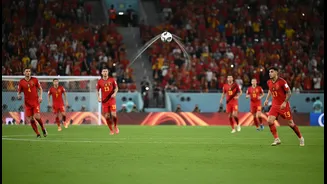
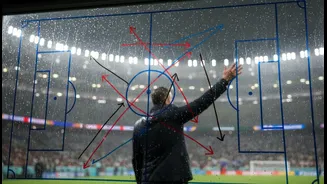
The quarter-final clash presents a classic tactical battle: Spain's patient possession against Belgium's counter-attacking threat. Spain's entire system is increasingly geared towards maximising Yamal's impact. Their build-up play and midfield rotations are designed to manipulate the opponent's defensive shape, creating scenarios where Yamal receives the ball facing forward in a one-on-one situation. This is the exact scenario Belgium’s defence wants to avoid. If Yamal can isolate a Belgian defender, he can either beat him to deliver a cross or draw multiple players towards him, opening up space for teammates like Pedri and Dani Olmo. Against a team that wants to stay compact, Yamal's ability to stretch the play and then exploit the gaps that appear is the perfect key to unlock their structure.
More Than Just Talent: A Big-Game Mentality
What elevates Yamal from a skilled youngster to a potential match-winner is his mentality. Throughout his young career, he has consistently delivered in high-stakes matches for both club and country, scoring and assisting in crucial Champions League knockout games and major international tournament fixtures. He plays with a confidence and composure that suggests he is unfazed by the pressure of the moment. In a World Cup knockout tie, where a single moment of brilliance can be the difference, having a player who actively seeks responsibility and has a history of making a decisive impact is an invaluable asset. While Belgium will focus on containing Spain's midfield engine, the real danger may be lurking on the wing, ready to make his mark.