

Makhan Mishri: The Quintessential Offering
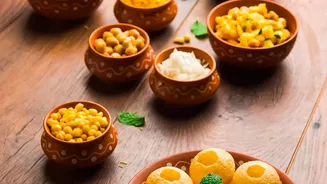
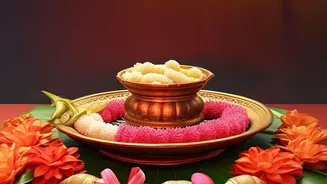
No Janmashtami bhog is complete without Makhan Mishri, a simple yet profound offering that is considered Lord Krishna's absolute favourite. This dish celebrates his playful childhood as the 'Makhan Chor' or butter thief. It requires no cooking, only the heartfelt
mixing of two primary ingredients: fresh, unsalted white butter (makhan) and rock sugar (mishri). The creamy, pure butter combined with the sweet crunch of mishri creates a divine taste that symbolises purity and love. To prepare it, simply take fresh butter and gently fold in crushed mishri crystals. Some devotees also add a tulsi leaf for garnish before offering it during the midnight puja. Its simplicity is its strength, making it the most direct and cherished tribute to Bal Krishna.
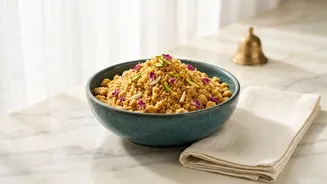
Dhaniya Panjiri: The Traditional Prasad
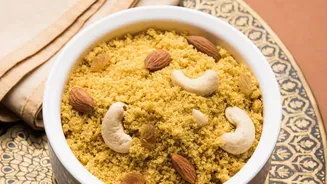
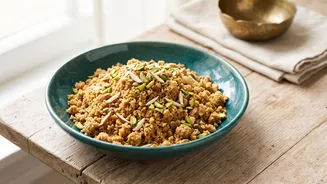
Dhaniya Panjiri is a unique and nutritious sweet specifically prepared for Janmashtami, especially for those observing a fast (vrat). Unlike typical panjiri made with wheat flour, this version uses roasted coriander seed powder, making it a 'phalahari' or grain-free option. The preparation involves roasting coriander powder in ghee until it becomes fragrant, then combining it with powdered sugar, chopped nuts like almonds and cashews, and sometimes fox nuts (makhana) and edible gum (gond). This wholesome mixture is not only a delicious prasad but is also known for its digestive properties. The aromatic blend of roasted coriander, the richness of ghee, and the crunch of dry fruits make it a deeply traditional and satisfying offering.
Makhana Kheer: The Creamy Fasting Delight
Makhana Kheer, or fox nut pudding, is a beloved dessert for festivals and fasting days like Janmashtami. This creamy, gluten-free pudding is light on the stomach yet feels wonderfully indulgent. The star ingredient, makhana (puffed lotus seeds), is roasted in ghee until crisp before being added to simmering full-fat milk. To enhance the creaminess, some of the roasted makhanas are coarsely crushed while others are left whole for texture. As the milk thickens, it's sweetened with sugar and flavoured with fragrant spices like cardamom powder and saffron strands. Garnished with slivered almonds and pistachios, this kheer offers a delightful contrast of creamy and crunchy textures, making it a perfect, comforting sweet for the midnight feast.
Gopalkala: Krishna's Savoury-Sweet Mix
Gopalkala is a special Maharashtrian preparation that beautifully captures the spirit of community and sharing associated with Lord Krishna. Legend says that Krishna would mix the lunch boxes of all his cowherd friends (gwalas) with curd to create a single, shared meal—this dish is a representation of that. It's a flavourful, no-cook recipe that combines flattened rice (poha) with yogurt, cucumber, fresh coconut, green chillies, and ginger. A tempering of ghee, cumin seeds, and mustard seeds is often added for extra flavour. Some variations also include fruits like pomegranate or banana. Gopalkala is both a savoury and sweet preparation and is famously associated with the Dahi Handi festival that follows Janmashtami.
Rava Laddu: The Festive Favourite
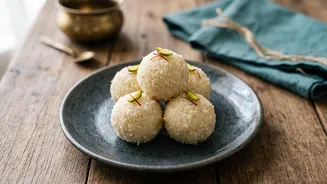
Rava Laddu, or Suji Laddu, is a quick and delicious sweet that's a staple in many households during Indian festivals. These delightful balls of roasted semolina are easy to prepare and are a wonderful addition to the Janmashtami bhog platter. The process involves roasting fine semolina (rava or suji) in ghee until it turns aromatic and lightly golden. This roasted rava is then mixed with powdered sugar, grated coconut, and fragrant cardamom powder. Chopped cashews and raisins, fried in ghee, are added for a rich, nutty crunch. A small amount of warm milk or ghee is used to bind the mixture, which is then rolled into small, round laddus. Their melt-in-the-mouth texture makes them a favourite among all ages.