





Mastering Drainage to Beat Waterlogging
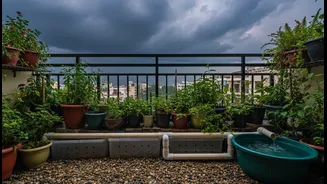
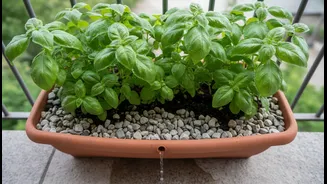
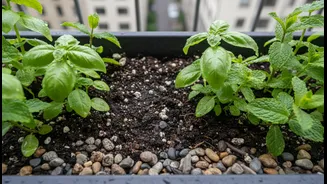
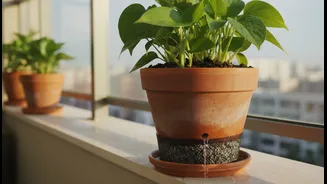
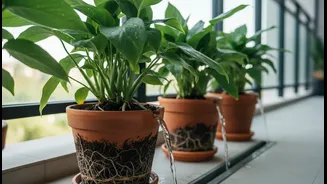
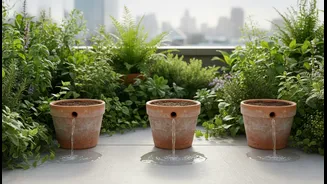
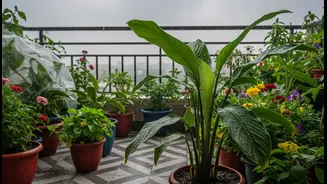
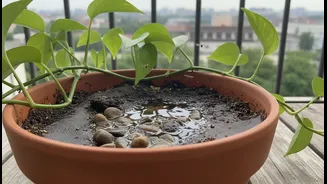
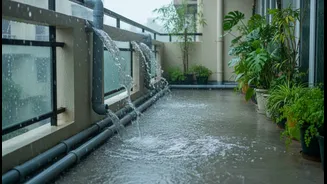
The single biggest threat to potted plants during the monsoon is waterlogging, which suffocates roots and causes them to rot. The solution is to ensure excess water can escape easily. Before the heavy rains start, check that every pot has clear drainage
holes. If they are clogged, use a stick to clear them out. A simple, no-cost trick is to elevate your pots using bricks, stones, or old bottle caps. This small gap allows air to circulate underneath and helps water drain away, preventing your plants from sitting in a puddle. Avoid the common mistake of adding a layer of gravel to the bottom of pots; this can actually trap water and worsen the problem. Instead, use a well-draining soil mix throughout the pot.
Provide Shelter Without a Splurge
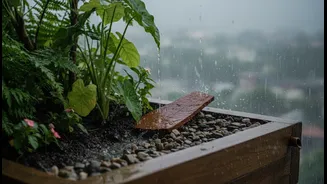
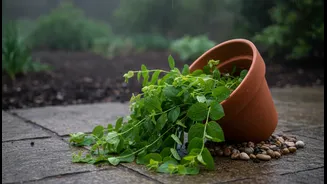
Heavy downpours and strong winds can physically damage your plants, breaking stems and tearing leaves. For smaller, more delicate plants, the cheapest solution is often the best: move them. If you have a covered balcony or a spot near a wall, shift your vulnerable pots there during intense storms. For larger plants that cannot be moved, you can provide support using bamboo stakes, which are inexpensive and widely available. Tie the plant stems loosely to the stakes to give them stability against the wind. You can also create a temporary, porous rain cover with an old perforated sheet to shield plants from the direct force of heavy rain while still allowing light and air to pass through.
Rethink Your Watering Schedule
One of the most common mistakes during the monsoon is sticking to a summer watering routine. With high humidity and frequent rain, your plants need significantly less water from you. Overwatering is a primary cause of root rot. Before you even think about watering, check the soil. Stick your finger about an inch or two into the soil; if it feels moist, leave it alone. Let the top layer of soil dry out between waterings. Remember that even on cloudy days, the soil retains moisture for much longer than in summer. Trust the rain and the dampness in the air to do most of the work for you.
Fight Pests and Fungi Naturally
High humidity creates the perfect breeding ground for pests like aphids and mealybugs, as well as fungal diseases like powdery mildew and leaf spot. You don’t need expensive chemical sprays to fight back. A simple solution of neem oil, water, and a drop of liquid soap makes for a powerful organic pesticide and fungicide; spray it every 10-15 days as a preventive measure. Another easy home remedy for fungus is to sprinkle a little cinnamon powder on the soil. For pest infestations, a basic spray made from dishwashing soap and water can effectively manage leaf-sucking insects. Regularly pruning your plants and removing any yellow or dead leaves will improve air circulation and reduce the risk of diseases taking hold.
Prune and Tidy for Better Health
The monsoon encourages rapid, often chaotic growth. Regularly trimming your plants is a free and highly effective way to keep them healthy. Pruning overgrown branches improves air circulation around the plant, which is crucial for preventing fungal diseases that thrive in stagnant, humid conditions. It also allows the limited sunlight to reach more of the plant. Use this time to clean up any fallen leaves or weeds from the pots. Decaying organic matter on the soil surface can attract pests and become a hotspot for fungal growth. Keeping your pots tidy is a simple habit that pays huge dividends in plant health, and it costs nothing but a few minutes of your time.
Go Easy on the Fertiliser
While it might seem like a good idea to feed the lush new growth, it's best to hold back on fertilisers during the monsoon. Heavy rains can wash nutrients out of the soil, but they also bring some nitrogen down with them. More importantly, forcing too much soft new growth with fertilisers can make plants more susceptible to pests and diseases. If you feel your plants need a boost, opt for light, organic options like compost or a very diluted liquid feed, but use them sparingly. Most established plants will have enough nutrients to thrive through the season without extra feeding.