





An Untouched Frontier
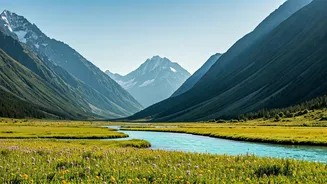
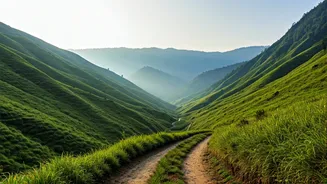
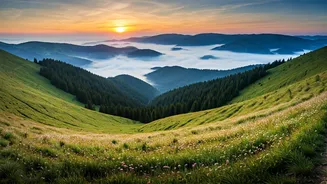
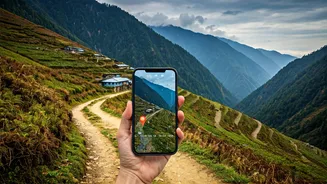
Imagine a land of misty mountains, lush valleys carved by powerful rivers like the Siang and Lohit, and villages that seem suspended in time. This is Arunachal Pradesh, India’s easternmost state, a region that has long remained one of the country's best-kept
secrets. Unlike the commercialised buzz of other Himalayan destinations, much of Arunachal offers a raw, unfiltered connection with nature. For the adventurous traveller, it’s a place to trek through dense forests, cross bamboo bridges swaying over turquoise waters, and witness a way of life deeply intertwined with the environment. It is this very remoteness and lack of mass tourism that forms the first layer of its appeal. Here, the journey is as much the destination, attracting travellers who seek immersion over itineraries.
The Homestay Revolution
The key to understanding the sense of safety in these villages lies in the concept of community. The rise of tourism here has not been driven by large hotel chains but by the local people themselves. Across the state, from the Apatani plateau around Ziro to the Adi communities near Pasighat and the Mishmi hills, families have opened their homes to travellers. These homestays are more than just a place to sleep; they are an invitation into the family. Travellers share meals cooked on an open hearth, listen to stories passed down through generations, and participate in the rhythm of daily life. This model fosters a powerful bond of trust and mutual respect. When you are a guest in someone’s home, you are treated not as a customer, but as a temporary member of the family, looked after with genuine care.
What 'Safe' Truly Means
For many female travellers in India, the word 'safety' is often defined by a constant state of vigilance. It means checking your surroundings, sharing your location, and avoiding certain places after dark. In these Arunachal villages, however, women report a different experience. Here, safety is not just the absence of threat, but the presence of a protective community. The close-knit nature of these villages means everyone knows everyone. Strangers are noticed, but often with curiosity and a welcoming spirit rather than suspicion. The respectful and often matriarchal or egalitarian structures within many of the state's diverse tribal communities also play a crucial role. Women hold significant social and economic power, which cultivates a broader culture of respect that extends to female visitors. The feeling of being able to walk by a river at dusk or explore a village path alone without fear is a profound and liberating experience that many travellers highlight.
Voices from the Trail
Anecdotes from travel blogs and social media paint a consistent picture. A backpacker from Mumbai writes about her host in Mechuka, an elderly woman who taught her how to weave and took her to the local monastery, scolding her gently for not wearing a warmer jacket. Another from Bengaluru recounts how, after a communication breakdown with a driver in a remote area near Anini, a group of villagers helped her find her way, ensuring she reached her homestay safely before nightfall. These are not stories of grand heroic acts, but of small, consistent gestures of kindness and decency. It's the homestay owner who walks you to the bus stop, the shopkeeper who offers you a cup of tea, and the children who greet you with unfiltered joy. This fabric of everyday humanity is what transforms a place from a mere destination into a true haven.