







The Rise of India's New Urban Hubs
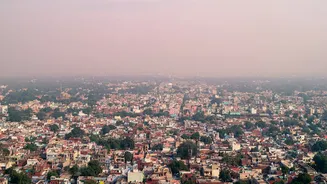
For decades, India's growth story was centred on its sprawling megacities. But that narrative is changing. A new chapter is being written in Tier 2 cities like Pune, Lucknow, Jaipur, Coimbatore, and Nagpur. These hubs are no longer just alternatives to crowded
metros; they are becoming self-sustaining economic engines, attracting investment, talent, and infrastructure development. Driven by factors like saturation in Tier 1 cities and government initiatives like the Smart Cities Mission, these urban centres are experiencing rapid, often unplanned, expansion. This growth, however, comes with a significant environmental side effect that directly impacts the health and well-being of millions.
The Urban Heat Island Explained
This side effect is known as the Urban Heat Island (UHI) effect. It's a phenomenon where cities become significantly warmer than their surrounding rural areas. The reason is simple: natural, green landscapes are replaced by concrete, asphalt, and dense buildings that absorb and retain the sun's heat during the day. This stored heat is then slowly released into the atmosphere, particularly at night, preventing the city from cooling down. In rapidly developing Tier 2 cities, where green cover and water bodies are often the first casualties of construction, this effect is intensified. Studies show these cities could experience additional warming far beyond what is projected for the region, creating localised pockets of extreme heat.
Why Nighttime Heat Wrecks Your Sleep
The human body is programmed to cool down at night as a signal to prepare for sleep. This natural drop in core body temperature is essential for entering the deep, restorative stages of sleep. When your sleeping environment is too warm, this crucial process is disrupted. Your body struggles to shed heat, leading to restlessness, frequent awakenings, and a significant reduction in deep sleep and REM sleep. The result is not just a feeling of fatigue the next day. Chronic sleep disturbance caused by heat is linked to a cascade of negative health effects, including impaired cognitive function, weakened immunity, and an increased risk of accidents and cardiovascular issues. One study of informal settlements in Indian Tier-2 cities found that 42% of residents reported sleep disturbances due to night-time heat.
What Are Microclimate Temperature Controls?
The solution lies in actively managing a city's local weather, or 'microclimate'. Microclimate temperature controls are not about a single technology, but a range of smart urban planning strategies designed to mitigate the UHI effect. These interventions work by reducing heat absorption and increasing natural cooling. Examples include increasing urban green spaces, as trees and vegetation provide shade and cool the air through evapotranspiration. Other strategies involve using 'cool' construction materials for pavements and roofs that reflect sunlight instead of absorbing it, preserving and creating water bodies like ponds and lakes that act as natural air conditioners, and designing buildings and street layouts to promote airflow.
A Planning Priority, Not a Luxury
For growing Tier 2 cities, incorporating these microclimate controls is not an aesthetic choice but an urgent public health imperative. These cities have a unique opportunity to avoid the mistakes made by their larger counterparts by integrating heat resilience into their core development plans from the outset. Doing so can create healthier, more liveable communities and reduce the long-term economic burdens associated with heat-related health problems and lost productivity. By prioritising green corridors, mandating reflective building materials, and protecting water bodies, urban planners can actively design cities that are cooler, more sustainable, and promote better sleep and well-being for all residents.