



Defining the Flavour Explosion
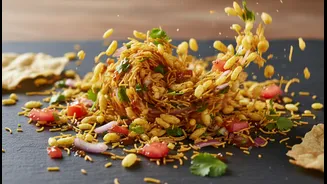
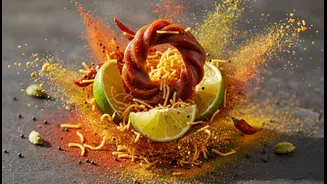
Chatpata isn't a single ingredient but a masterful balancing act of taste sensations. The word itself loosely translates to “lip-smacking,” a description that barely scratches the surface. Think of the foundational tastes colliding in one bite: the sourness
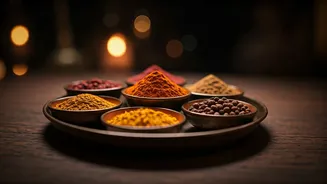
from amchur (dried mango powder), the tangy funk of kala namak (black salt), the sweetness of tamarind or jaggery, the heat from chilli, and the earthy depth of cumin and coriander. This layered profile, the very soul of chaat masala, is designed to wake up the entire palate. It is a flavour that is simultaneously chaotic and harmonious, creating a memorable experience that keeps you coming back for another bite.
From Royal Remedy to Street Staple
The story of chatpata is intertwined with the story of chaat itself. Legend traces its origins to the 16th-century court of Mughal Emperor Shah Jahan. When the water of the Yamuna River was deemed unsafe, the royal physician supposedly advised the consumption of spicy, fried, and tangy foods to combat potential illness, believing the combination of spices would kill bacteria. This idea, born of necessity, soon spilled out of the royal kitchens and onto the streets of Delhi and Northern Uttar Pradesh. Street vendors adopted and evolved these snacks, creating a whole new food culture around accessible, flavour-packed bites that were both delicious and affordable. The word 'chaat' itself comes from 'chaatna', meaning 'to lick', a testament to its irresistible nature.
The Psychology of Craving
There's a science to why chatpata is so addictive. Our brains are wired to seek out pleasure, and foods that hit multiple sensory notes—sweet, salty, sour, spicy—trigger our neural reward centers in a powerful way. Unlike a simple sweet or salty snack, the complexity of chatpata provides a more dynamic experience. Each bite is a mini-adventure for the taste buds. This multi-layered sensory input creates a stronger, more memorable impression that the brain logs as highly satisfying. This craving is also deeply linked to emotion and memory; for many, the taste is inseparable from the joy of childhood, the thrill of a street-food outing, or the comfort of a familiar family snack.
The Great Indian Snack Takeover
In the latter half of the 20th century, Indian and multinational corporations discovered what street vendors had known for generations: chatpata sells. This flavour profile became the cheat code for the burgeoning packaged snacks industry. Brands realised that applying a 'chatpata masala' seasoning to everything from potato chips and extruded snacks to roasted nuts and biscuits was a shortcut to the Indian palate. This move took the flavour from the cart to the kirana store, making it a ubiquitous presence in every household. It became the default flavour for savoury munchies, a reliable taste that promised a zesty kick, whether it was in a five-rupee packet of chips or a box of masala-flavoured crackers.
Gourmet Chaat and Modern Menus
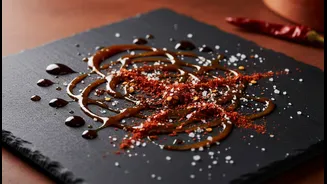
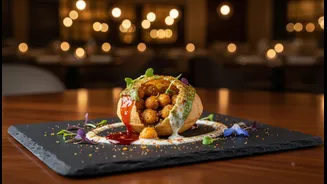
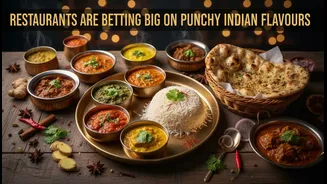
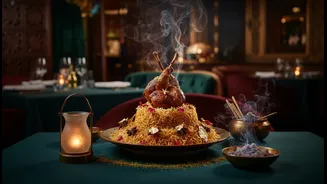
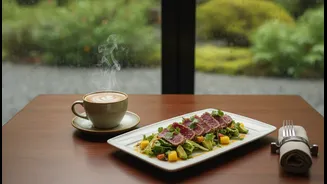
Recently, chatpata has completed its journey from the street to the starched tablecloths of fine-dining restaurants. A new wave of Indian chefs is deconstructing and reimagining chaat, treating it not as a humble snack but as a sophisticated culinary concept. According to the Godrej Food Trends Report 2026, diners are increasingly seeking bold, multi-sensory food experiences. Chefs like Manish Mehrotra of Indian Accent and the team at The Bombay Canteen are elevating street food classics, using premium ingredients and modern techniques while preserving the nostalgic soul of the dishes. You might find a deconstructed sev puri with cured sea bass, a passion fruit pani puri, or a potato spear chaat that offers a refined, yet instantly recognizable, flavour experience.