


For those managing diabetes, the desire for a sweet treat comes with a challenge. 'Sugar-free' labels seem like a green light, but the world of sweeteners is complex. This guide will help you decode the labels and make safer, informed choices.
Understanding 'Sugar-Free' vs. 'No Added Sugar'
The first
step in navigating the sweet aisle is understanding the language on the package, which is regulated by the Food Safety and Standards Authority of India (FSSAI). A 'sugar-free' claim means the product contains no more than 0.5 grams of total sugars per 100 grams. In contrast, 'no added sugar' simply means no extra sugar was added during processing. The food can still contain naturally occurring sugars from ingredients like fruit or milk. Neither claim means the product is free of carbohydrates or calories, which also affect blood glucose.
A Guide to Common Sweeteners
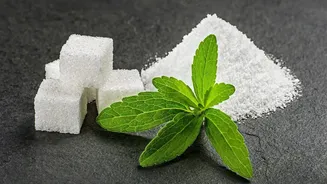
Sweeteners fall into several categories. Non-nutritive sweeteners like stevia, aspartame, and sucralose provide sweetness with virtually no calories or impact on blood sugar when used within limits. Stevia, a natural plant extract, is a popular choice and is considered a healthy alternative. Sugar alcohols, also called polyols, are another group. Names to look for include erythritol, xylitol, sorbitol, and maltitol. These have fewer calories than sugar and cause a smaller rise in blood glucose, but 'smaller' does not mean 'zero'. Maltitol, for instance, can still produce a noticeable glucose response, and large amounts of any sugar alcohol can cause digestive issues like bloating and gas.
How to Read the Nutrition Label Like a Pro
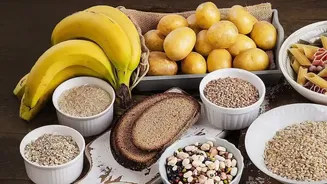
The front of the pack is marketing; the real story is on the back. First, check the serving size, as manufacturers sometimes base nutritional information on an unrealistically small portion. Next, look at the 'Total Carbohydrate' line, not just the 'Total Sugars'. Ingredients like refined flour (maida), starches, and milk solids are carbohydrates that your body converts to glucose, which can raise your blood sugar even if the product is 'sugar-free'. A higher fibre content can help slow down this process. Finally, scan the ingredients list. Ingredients are listed by weight, from highest to lowest. If sugar, or one of its many aliases, appears in the first few ingredients, the product contains a lot of it.
Beware of Hidden Sugars and Marketing Terms
Sugar has many names. Be on the lookout for terms ending in '-ose' like glucose, fructose, and dextrose, as well as syrups (corn syrup, rice syrup), concentrates (fruit juice concentrate), and even supposedly 'healthier' options like honey, jaggery, or date paste. Your body processes most of these just like table sugar. A product sweetened with date paste can claim 'no added sugar' but still be very high in natural sugars that impact blood glucose levels. The term 'diabetic-friendly' is a marketing phrase, not a regulated health claim. It does not automatically mean a food is a safe or healthy choice. Always rely on the nutrition panel and ingredients list, not the claims on the front.
The Bigger Picture: It's More Than Just Sugar
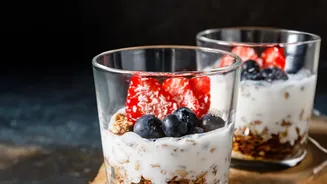
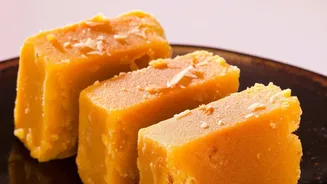
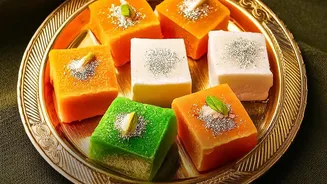
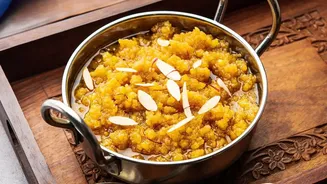
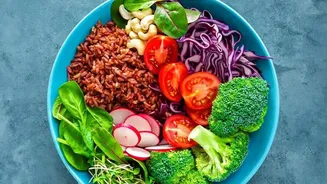
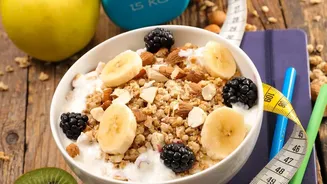
Even with careful sweetener choices, the overall composition of the sweet matters. Many sugar-free mithai, biscuits, and desserts still contain high amounts of refined flour (maida), milk solids (khoya), and fats like ghee or palm oil. These ingredients contribute to the total carbohydrate and calorie count, which can affect blood glucose control and weight management. An occasional, small portion of a sugar-free sweet can be part of a balanced diabetes management plan, but they are not 'free' foods. For snacking, whole foods like fruits, nuts, seeds, and unsweetened yoghurt often provide better nutrition and help you feel fuller.