






Beyond the Usual Getaway
For years, the playbook for a quick urban escape was simple: drive to the nearest hill station or beach. It was a formula built on convenience and familiarity. Today, that script is being rewritten. A new generation of travellers, armed with curiosity
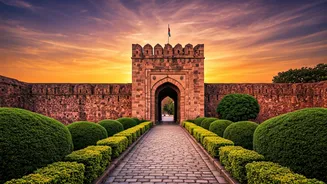
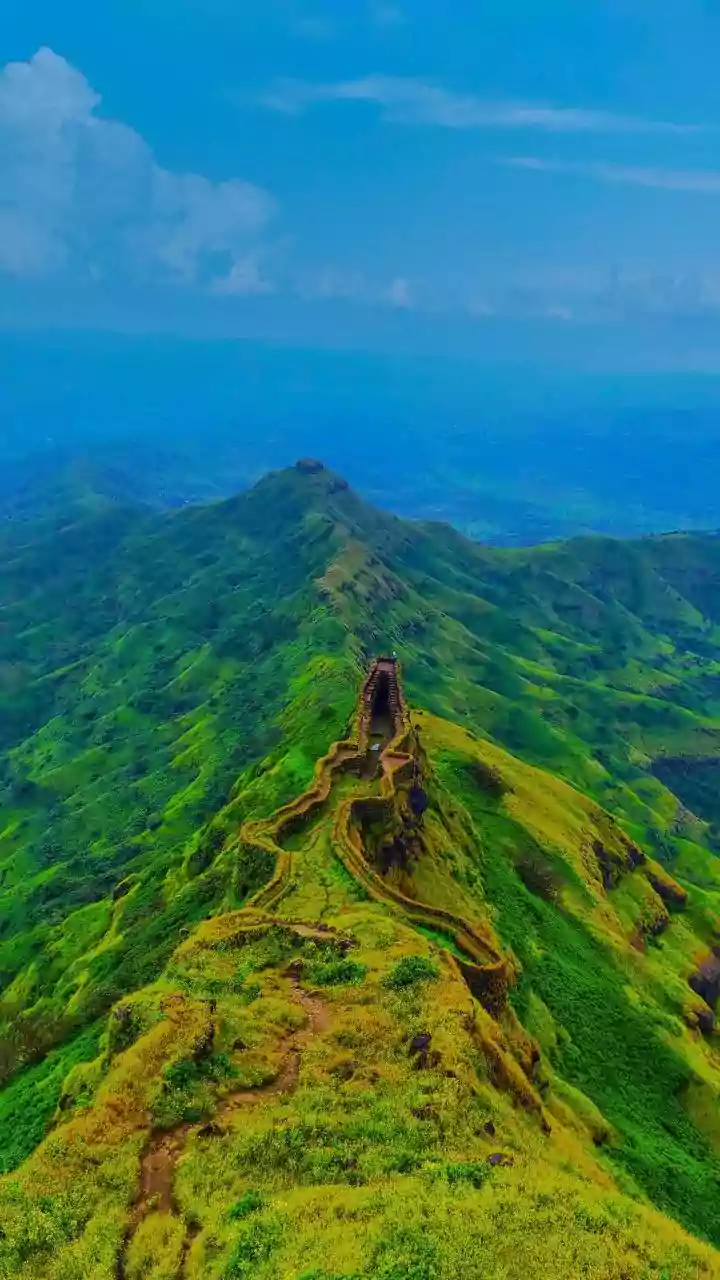
and a desire for unique experiences, is looking beyond the predictable. They are turning their cars towards forgotten forts, crumbling havelis, and ancient towns that dot India’s landscape. This isn’t just a holiday; it's a journey into the country's layered history, packed into a 48-hour window. The weekend is no longer just for relaxing, but for rediscovering.
A Hunger for Authenticity
What’s driving this shift? Experts point to a post-pandemic craving for meaning and connection. After years of digital saturation and isolation, travellers are seeking experiences that feel real and rooted. A heritage trip offers just that. It's a chance to walk through corridors where history was made, to sleep in a room that tells a story, and to understand the context of one's own identity. For millennials and Gen Z, this is also about content with substance. The aesthetic of a restored palace or a rustic fort provides a stunning, story-rich backdrop for social media, but it’s a narrative that goes deeper than a pretty sunset. It’s about being part of a continuing story, not just observing one.
From Museum to Living Room
Crucially, this new wave of heritage travel is not a sterile, museum-like experience. The success of the trend lies in its immersive nature. Travellers aren't just looking at history through a glass pane; they are living within it. This is made possible by a boom in boutique heritage hospitality. Across the country, ancestral homes, colonial bungalows, and minor forts are being lovingly restored and converted into intimate, character-filled stays. These properties offer more than just a bed for the night. They offer curated experiences: a meal cooked from a family recipe, a guided walk through a historic neighbourhood, or a conversation with the property’s owners, who are often descendants of the original inhabitants. It’s this personal touch that transforms a simple trip into a memorable experience.
The Rise of Heritage Havens
This trend has breathed new life into destinations that were once considered off the beaten path. The Shekhawati region of Rajasthan, with its fresco-adorned havelis, is a prime example. Once a quiet trading outpost, it is now a bustling weekend destination for those from Delhi and Jaipur. Similarly, the Chettinad mansions of Tamil Nadu are drawing visitors from Chennai and Bengaluru, eager to experience the region's unique architecture and cuisine. In Madhya Pradesh, lesser-known forts are being developed into weekend retreats, offering a quiet alternative to the state's more famous national parks. This movement is not only boosting local economies but also creating a powerful incentive for the preservation of these architectural gems.