

Two Showers from Two Famous Comets
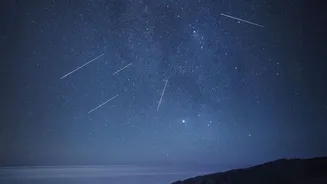
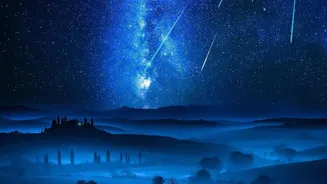
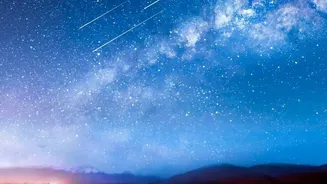
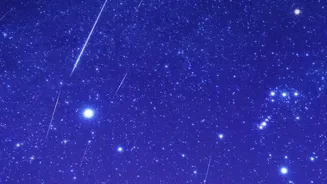
Meteor showers, often called shooting stars, happen when Earth passes through a trail of dusty debris left behind by a comet. As these tiny particles, some no bigger than a grain of sand, enter our atmosphere at incredible speeds, they burn up and create
brilliant streaks of light. The two major showers grabbing attention this year are the Perseids in August and the Orionids in October. The Perseids are particles from Comet Swift-Tuttle, which last visited our inner solar system in 1992. The Orionids are debris from a more famous celestial visitor: Halley's Comet.
Perseids: An Exceptional August Night
The Perseid meteor shower is one of the year's most beloved celestial events, and 2026 is set to be exceptional. The peak viewing night is August 12-13. What makes this year special is that the peak coincides perfectly with a New Moon. This means the sky will be completely dark, allowing even the faintest meteors to shine. Under ideal conditions, you might see up to 100 meteors per hour. The best time to watch in India will be from after midnight until just before dawn on the morning of August 13, when the shower's radiant point in the constellation Perseus is high in the northeastern sky.
Orionids: Halley's Comet Legacy in October
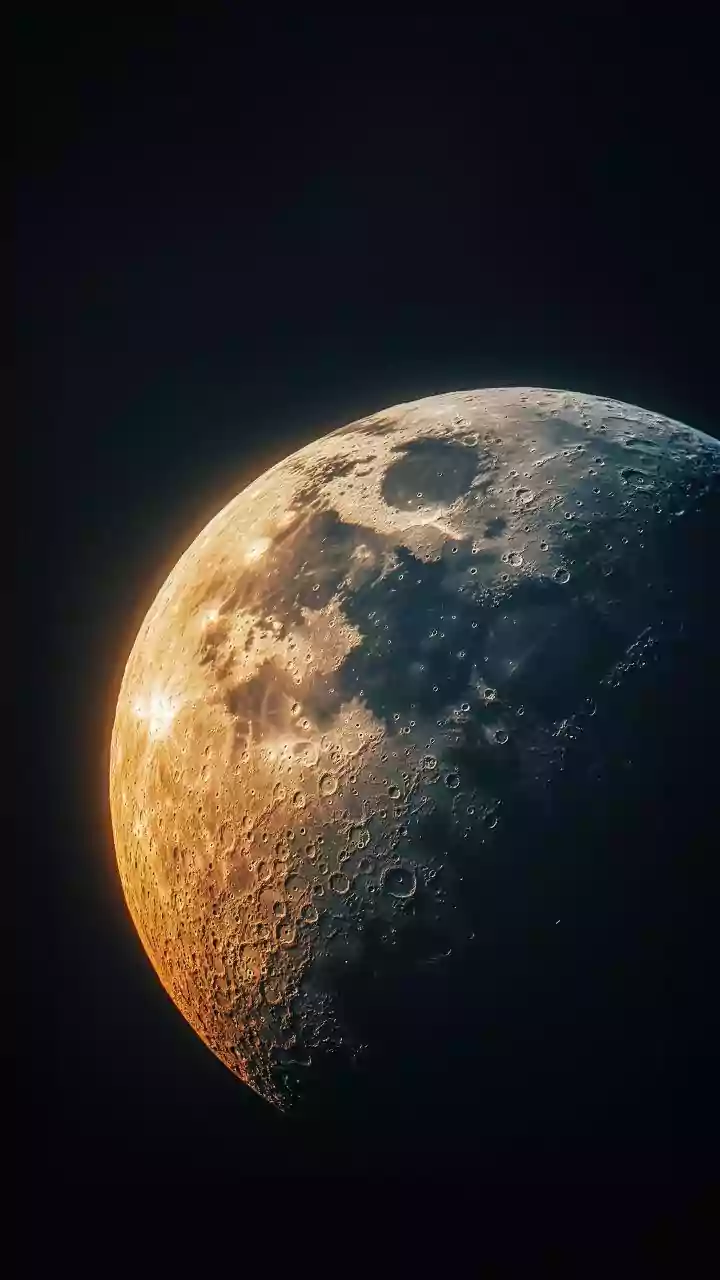
As autumn arrives, the Orionid meteor shower provides another opportunity to see shooting stars. Caused by debris from Halley's Comet, this shower will peak on the night of October 21-22. Observers can expect to see around 15 to 25 meteors per hour in a dark sky. The Orionids are known for their speed, entering the atmosphere at about 66 kilometres per second, which can result in bright, lingering trails. While a waxing gibbous moon will be present earlier in the evening, it sets in the early morning hours, leaving the prime viewing window between 2 a.m. and dawn dark and clear for observers.
Why You Must Escape the City
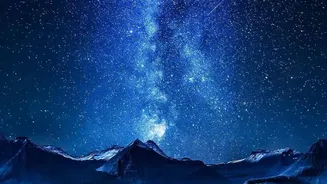
The key to a successful meteor shower experience is getting away from urban and suburban light pollution. The glow from cities, towns, and highways creates a bright sky background that washes out all but the brightest meteors. A meteor that would be clearly visible from a rural location can be completely invisible against the skyglow of Mumbai, Delhi, or Bengaluru. To truly witness the shower, you need to find a spot where the sky is dark enough to reveal the thousands of stars that are usually hidden, allowing the fleeting streaks of light to stand out.
India’s Prime Dark-Sky Destinations
India offers numerous non-metro locations perfect for stargazing. The high-altitude, dry regions are often the best bet, especially for the monsoon-season Perseids. Consider destinations like Hanle in Ladakh, which is India's first designated Dark Sky Reserve, or the remote Spiti Valley in Himachal Pradesh. The arid landscapes of the Rann of Kutch in Gujarat and Jaisalmer in Rajasthan also offer vast, unobstructed horizons. For those in the south, the hills of Coorg in Karnataka or other spots in the Western Ghats like Lonavala and Matheran can provide a good escape from city lights.
Your Meteor-Watching Toolkit
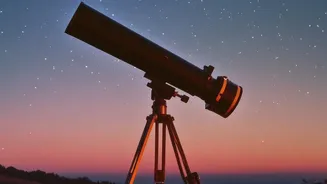
You don't need a telescope or binoculars to watch a meteor shower; in fact, the naked eye is best because it allows you to see a wide swath of the sky. The essential gear is all about comfort and patience. Bring a blanket or a reclining chair so you can lie back and look up without straining your neck. Dress in warm layers, as even summer nights can get chilly in the pre-dawn hours. Pack some snacks and a flask of a warm beverage. Most importantly, give your eyes at least 20 to 30 minutes to fully adjust to the darkness. During this time, avoid looking at your phone or any other bright screens.