



What Is Actually Changing?
Recent announcements from the National Payments Corporation of India (NPCI) have introduced a Merchant Discount Rate (MDR) on certain UPI transactions, causing a wave of confusion. Effective October 15, 2026, a 0.4% MDR will apply to some Person-to-Merchant
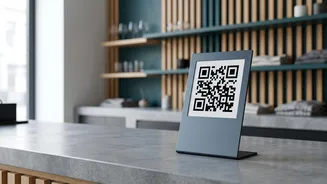
(P2M) payments over ₹2,000. However, this isn't a blanket charge on all UPI use. It specifically targets a narrow slice of transactions: those made to a merchant using a Prepaid Payment Instrument (PPI), such as a digital wallet balance. If you scan a QR code at a large store and pay using your loaded wallet money, the merchant's bank may be subject to this fee for transactions above the ₹2,000 threshold. For very large transactions of ₹75,000 or more, this fee is capped at a flat ₹300. This change is designed to create a sustainable revenue model for the payment ecosystem participants, like banks and fintech companies, who bear the cost of running the UPI infrastructure.
Your Daily UPI Use Remains Free
The most important takeaway for the average user is that nothing has changed for the vast majority of UPI transactions. All Person-to-Person (P2P) payments remain completely free, regardless of the amount. So, sending money to a friend, paying your landlord, or splitting a dinner bill will not cost you anything extra. Furthermore, P2M payments made directly from your bank account to a merchant—the most common way people use UPI—are also not subject to this new MDR. Even for wallet-based merchant payments, all transactions up to ₹2,000 are exempt, which covers over 95% of all UPI merchant transactions by volume. The government and NPCI have been clear: consumers will not be charged for making UPI payments, and apps are prohibited from adding platform fees for these transactions.
Who Is Affected and Who Pays?
This new MDR is a B2B charge within the payments ecosystem and is not meant to be passed on to the customer. The fee is paid by the merchant's bank to the wallet issuer to cover the costs of the transaction. While merchants are advised not to pass this cost on to customers, it remains a new business expense for them on certain high-value transactions. However, many small businesses are also protected. Small merchants under the Person-to-Person-Merchant (P2PM) category who receive up to ₹1 lakh per month via UPI QR codes will continue to enjoy zero MDR, ensuring that neighbourhood shops and street vendors are not burdened. Certain essential service categories also have different rules, with some attracting a lower, flat fee instead of the percentage-based MDR for high-value payments.
The 'Why' Behind the New Rule
For years, India’s UPI system operated on a zero-MDR framework to drive adoption. This strategy was wildly successful, making UPI the backbone of India's digital economy. However, the banks and payment companies that build and maintain this vast infrastructure have been bearing the operational costs without a direct revenue stream from it. The introduction of this limited MDR is a step towards ensuring the long-term financial sustainability of the UPI ecosystem. According to the Reserve Bank of India, this framework will support continued innovation and scale while protecting the free-use model for consumers and small transactions. By creating a revenue path for wallet issuers, it encourages interoperability and competition, giving users more choice in how they pay, whether from a bank account, credit line, or a prepaid wallet.