



Choosing between mango and papaya feels like picking a favourite child. Both are tropical superstars, beloved for their sweet, luscious flavour. But when it comes to nutrition, the debate heats up. The real answer isn't about which is better overall.
A Tale of Two Tropical Favourites
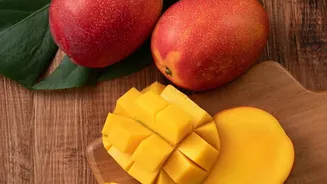
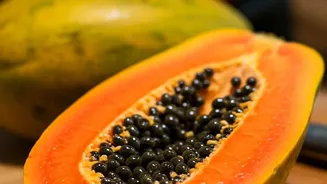
In the world of fruits, mangoes and papayas hold a special place, especially in India. The mango, hailed as the 'king of fruits', is a seasonal delicacy deeply woven into our culture, from summer holidays to festive treats like aamras and pickles. The papaya, on the other hand, is a year-round staple, a reliable and humble fruit often found on breakfast tables, appreciated for its subtle sweetness and soft, buttery texture. While they share a tropical origin and a sunny disposition, their nutritional profiles tell surprisingly different stories. Understanding these differences is key to making the best choice for your health needs.
The Calorie and Sugar Story
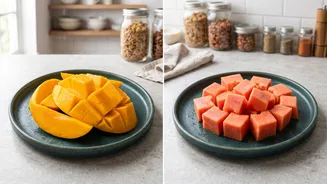
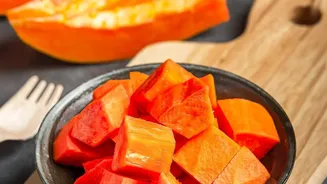
If you are watching your weight or sugar intake, this is a crucial comparison. On a gram-for-gram basis, papaya is the lighter option. A 100-gram serving of papaya contains around 43 calories and about 8 grams of sugar. In contrast, the same amount of mango has about 60 calories and nearly 14 grams of sugar. This is where portion size becomes critical. A large, indulgent serving of sweet mango can deliver a significant sugar and calorie load, whereas a similar-sized portion of papaya would be much lighter. For those managing calorie intake, papaya offers more fruit volume for fewer calories.
The Vitamin C Immunity Boost
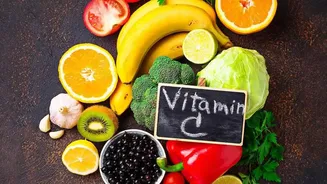
When it comes to vitamin C, an essential antioxidant for immune function and skin health, papaya is the clear winner. A 100-gram serving of papaya provides around 61 mg of vitamin C, which is over 67% of the recommended daily value. Mango is also a good source, offering about 36 mg of vitamin C in the same portion, but papaya packs a more powerful punch. If you're looking to ward off colds or boost your immunity, reaching for papaya gives you a significant advantage.
Mango’s Vitamin A Advantage
While papaya wins on vitamin C, mango takes the lead with vitamin A. Mangoes are rich in beta-carotene, the compound that our bodies convert into vitamin A, which is vital for good vision, a healthy immune system, and glowing skin. A 100st gram portion of mango contains more beta_carotene than papaya does. Mango is also a superior source of other important nutrients like folate, which is crucial for cell growth, and Vitamin E, a potent antioxidant. So, if eye health and skin vitality are your priorities, mango has a distinct edge.
Fibre and a Unique Digestive Aid
Both fruits are decent sources of dietary fibre, with each providing roughly 1.6 to 1.7 grams per 100g, which helps promote a healthy digestive system and adds to feelings of fullness. However, papaya has a secret weapon: an enzyme called papain. Papain is a proteolytic enzyme, meaning it helps break down proteins. This can aid digestion, particularly after a protein heavy meal, and may help reduce symptoms like bloating and constipation. While mango also supports digestion through its fibre and polyphenol content, the presence of papain gives papaya a unique digestive benefit.
The Impact on Blood Sugar
Here’s a counterintuitive twist. Despite having more sugar, mango often has a lower glycemic index (GI) than papaya. The GI measures how quickly a food raises blood sugar levels. Studies have shown mango's GI to be around 51, while papaya's is slightly higher, around 59. This means mango may cause a slower, more gradual rise in blood sugar, which is beneficial for energy balance. However, this doesn't give you a free pass to eat unlimited mango. For anyone managing diabetes or blood sugar levels, portion control remains the most important factor for both fruits.