


The Building Blocks of Health
Let's start with the basics. Proteins are essential macronutrients made up of chemical compounds called amino acids. Think of them as the building blocks your body uses for everything from muscle repair and growth to supporting your immune system. Our
bodies can produce 11 of the 20 amino acids we need; these are called nonessential amino acids. The other nine, known as essential amino acids, must come from the food we eat. A food source that contains all nine of these essential amino acids in adequate amounts is called a 'complete protein'. Animal-based products like meat, eggs, and dairy are classic examples of complete proteins.
The Plant Protein Puzzle
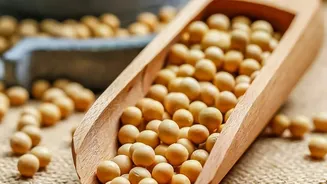
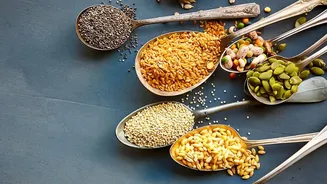
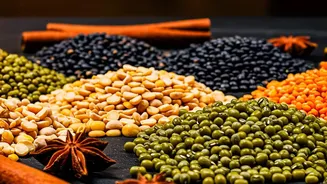
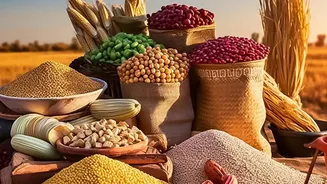
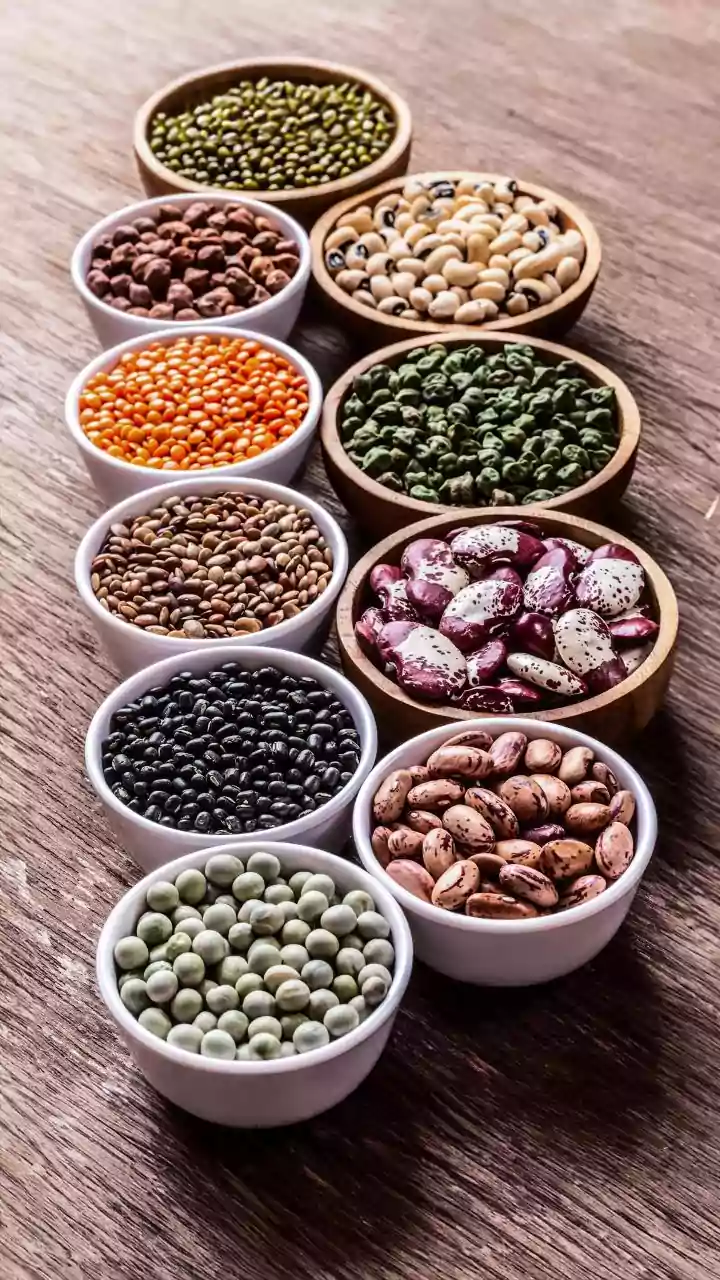
For those who rely more on plants for their protein, things get a little more interesting. Most individual plant-based foods, such as grains, nuts, seeds, and legumes, are considered 'incomplete' proteins. This doesn't mean they are bad; it simply means they have a low amount of one or more essential amino acids. For example, grains like rice and wheat tend to be low in an essential amino acid called lysine. Legumes—a food group that includes dals, beans, and chickpeas—are typically rich in lysine but are low in another essential amino acid, methionine. This is where the simple yet powerful strategy of protein combining comes into play.
The Magic of Pairing
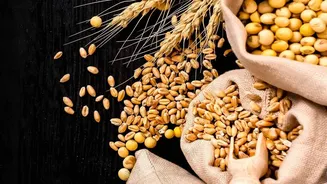
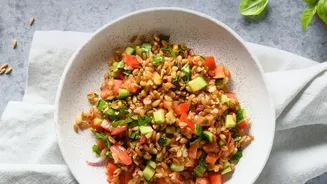
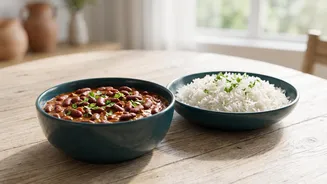
Combining grains with legumes is the nutritional equivalent of a perfect partnership. The strengths of one food compensate for the weaknesses of the other. When you eat them together, their amino acid profiles complement each other, creating a meal that delivers all nine essential amino acids. This is a concept known as protein complementation, and it's a cornerstone of many traditional diets around the world. The grain provides the methionine that the legume lacks, and the legume provides the lysine that the grain lacks. Together, they form a complete protein package, ensuring your body gets exactly what it needs for optimal function.
Decoding Protein Quality Scores
To scientifically measure a protein's value, nutrition experts use scoring systems. The most widely used for food labelling is the Protein Digestibility Corrected Amino Acid Score (PDCAAS). This score evaluates a protein based on its amino acid profile and how easily it's digested by the body, with a top score of 1.0 representing a high-quality, complete protein. While individual plant proteins may score lower, a complementary pairing of grains and legumes boosts the overall quality and score of the meal. A newer, more precise method called the Digestible Indispensable Amino Acid Score (DIAAS) is also used in research, which further confirms the benefits of combining different plant proteins to improve their nutritional value.
A Tradition of Complete Proteins
This powerful nutritional strategy isn't a new discovery; it's deeply embedded in Indian culinary traditions. Many of our most beloved comfort foods are perfect examples of protein complementation. Consider the classic dal-chawal (lentils and rice) or roti-dal (flatbread and lentils)—these are not just comforting meals but are also scientifically sound ways to get complete protein. Similarly, South Indian staples like idli or dosa (made from fermented rice and lentil batter) served with sambar (a lentil-based stew) are another delicious example. Even khichdi, a one-pot dish of rice and moong dal, is a perfect complete protein meal that is nourishing and easy to digest. These combinations have been nourishing generations long before the science was fully understood.