








Beyond Soy and Almond
For years, the choice for a dairy-free coffee in India was a simple one: soy or, if you were lucky, almond milk. That era is quickly becoming a memory. Today, café menus in Mumbai, Delhi, and Bengaluru are expanding to include a new generation of plant-based
alternatives. Oat milk, once a niche product, is now a common sight, praised for its creamy texture and neutral taste. But the innovation doesn't stop there. Baristas and consumers are experimenting with milks made from cashews, millets, and even hemp, each bringing a unique flavour and nutritional profile to the cup. This shift reflects a wider trend; the Indian plant-based milk market is projected to grow by over 20% annually. This isn't just about adding options; it’s about catering to a more discerning and health-conscious consumer.
The Protein-Packed Push
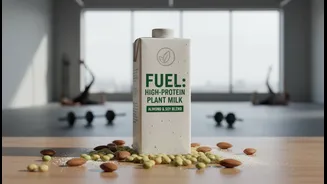
A key driver behind this plant milk evolution is the growing consumer focus on protein. As wellness and fitness become priorities for urban Indians, customers aren't just looking for a dairy alternative; they want a nutritional boost in their daily coffee. Brands are responding by launching high-protein versions of their popular milks. For instance, new formulations of soy and almond milk now offer significantly more protein per serving, sometimes even surpassing that of traditional dairy milk. One brand's high-protein soy milk delivers over 13 grams of protein per cup, compared to about 7.5 grams in a standard cup of cow's milk. This focus on 'functional foods' has turned the humble cappuccino into a small, satisfying part of a daily fitness regimen.
The Barista's Verdict
For a plant milk to succeed in a café, it needs to do more than just taste good—it has to perform under pressure. Baristas need a milk that can withstand heat without curdling and create the smooth, velvety micro-foam essential for latte art. The first wave of plant milks often fell short, but newer 'barista editions' are changing the game. These milks are specifically formulated with higher fat and protein content to steam and pour beautifully. Oat milk is often cited as a favourite for its ability to mimic the creaminess of dairy. However, companies are also developing cashew-oat blends and other specialised formulas to win over both coffee professionals and customers. The result is a dairy-free coffee that no longer feels like a compromise on quality or texture.
On the Menu in Metros
This trend is most visible in India's major urban centres. In Bengaluru, new cafes are integrating oat milk as a standard option alongside innovative cold brews. In Mumbai and Delhi, chains and independent coffee shops alike are responding to the demand. Major players like Starbucks now feature protein-enhanced drinks, while local chains such as Blue Tokai Coffee Roasters have partnered with plant-based brands like Goodmylk to offer vegan milk options, sometimes at no extra charge. This mainstream adoption is a clear indicator of the trend's staying power. It's no longer just health food stores or specialty vegan cafes; your everyday coffee run is now at the forefront of the plant-based movement.
More Than Just a Trend?
While it's easy to dismiss this as another fleeting food fad, the forces driving it suggest a more permanent shift. Health is a major factor, with a significant portion of the Indian population being lactose intolerant. Rising awareness of lifestyle diseases and a general move towards 'cleaner' eating are also powerful motivators. Furthermore, a growing number of consumers, particularly Gen Z, are making choices based on environmental and ethical concerns, favouring the sustainability of plant-based agriculture over animal farming. The Indian vegan food market is projected to reach nearly USD 3.8 billion by 2034, signalling a profound cultural and commercial shift that extends far beyond the coffee cup.