





More Than Just A Test Flight
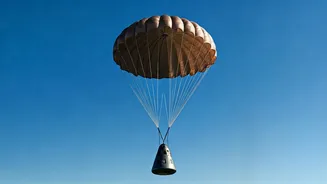
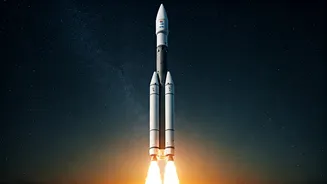
Before Indian astronauts make their historic journey to low Earth orbit, a series of uncrewed flights are scheduled to rigorously test every system, from the launch vehicle to the crew module's re-entry. These flights, including missions carrying the humanoid
robot Vyommitra, are the final dress rehearsals. But they are also the starting gun for a nationwide economic ripple effect. The Gaganyaan programme is estimated to create around 15,000 new employment opportunities, not just within ISRO but across the entire industrial and academic ecosystem supporting it. This initiative is designed to be a national effort, with estimates suggesting that nearly 60% of the mission's equipment will be sourced from the Indian private sector. This deliberate strategy is transforming a scientific mission into a powerful engine for high-tech job creation.
The Manufacturing and Engineering Boom
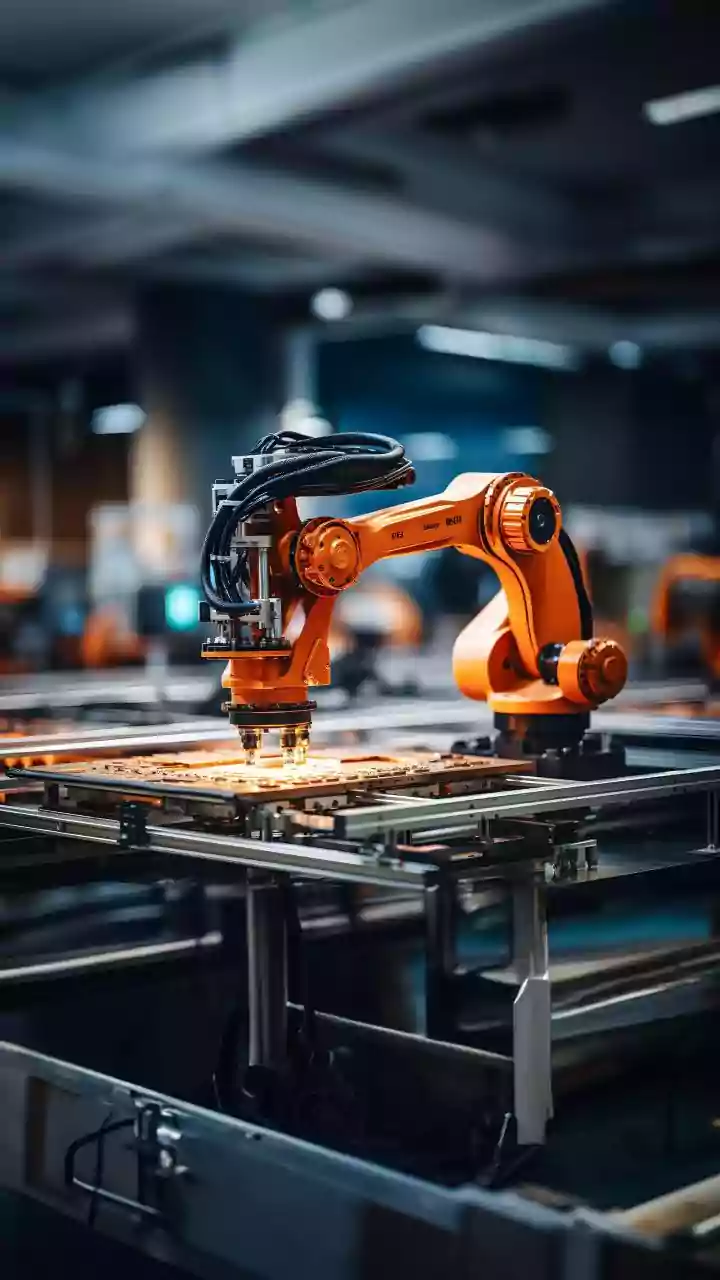
Building a human-rated spacecraft is an immense industrial undertaking. It demands a level of precision and reliability that pushes manufacturing capabilities to their limits. This has opened up significant opportunities for engineers and technicians in specialised fields. Careers in aerospace engineering, materials science, and propulsion systems are in high demand. Companies, both large and small, are contracted to build everything from critical launch vehicle components and advanced crew module structures to the intricate life support systems. This includes a growing need for expertise in advanced manufacturing techniques like 3D printing and the development of new alloys and composite materials that can withstand the extreme conditions of spaceflight.
Software, Simulation, and Data
Behind the visible hardware of the rocket and capsule lies a vast and complex digital infrastructure. The Gaganyaan mission relies heavily on sophisticated software for flight control, navigation, and mission simulation. This translates into a surge in demand for software engineers, data scientists, and specialists in artificial intelligence and machine learning. These professionals are needed to write millions of lines of flawless code, develop advanced training simulators with virtual reality for astronauts, and create the analytical tools to monitor every aspect of the mission. The data generated by the test flights alone provides a rich field for analysts who can help refine systems and ensure mission safety, making roles in data analytics a cornerstone of the modern space industry.
The Expanding Private Space Sector
Perhaps the most significant long-term career signal sent by Gaganyaan is the explosive growth of India's private space industry. ISRO is actively fostering a collaborative ecosystem, inviting startups and established companies to become co-travellers in its space exploration goals. This has led to the rise of firms specialising in everything from satellite manufacturing and launch vehicle development to providing space-based services. Companies like Godrej Aerospace, Tata Elxsi, and Larsen & Toubro are already contributing significantly to the mission. This privatisation opens up career paths beyond government agencies, offering roles in business development, project management, and space law within a dynamic and innovative commercial environment.
New Frontiers in Life Sciences
While the uncrewed flights do not carry humans, they are essential for validating the systems that will keep them alive. This creates a unique intersection between space technology and the life sciences. There is a growing need for biologists, medical professionals, and psychologists to work on challenges like designing compact medical monitoring devices, developing food for space, and studying the physiological and psychological effects of space travel. Even in the preliminary stages, research into microgravity's effects and developing closed-loop life support systems creates niche and highly skilled job opportunities, laying the groundwork for India's long-term human spaceflight ambitions.