




The Undisputed King: Mango
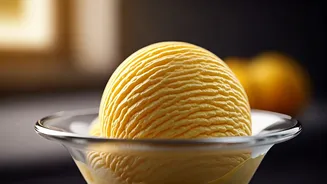
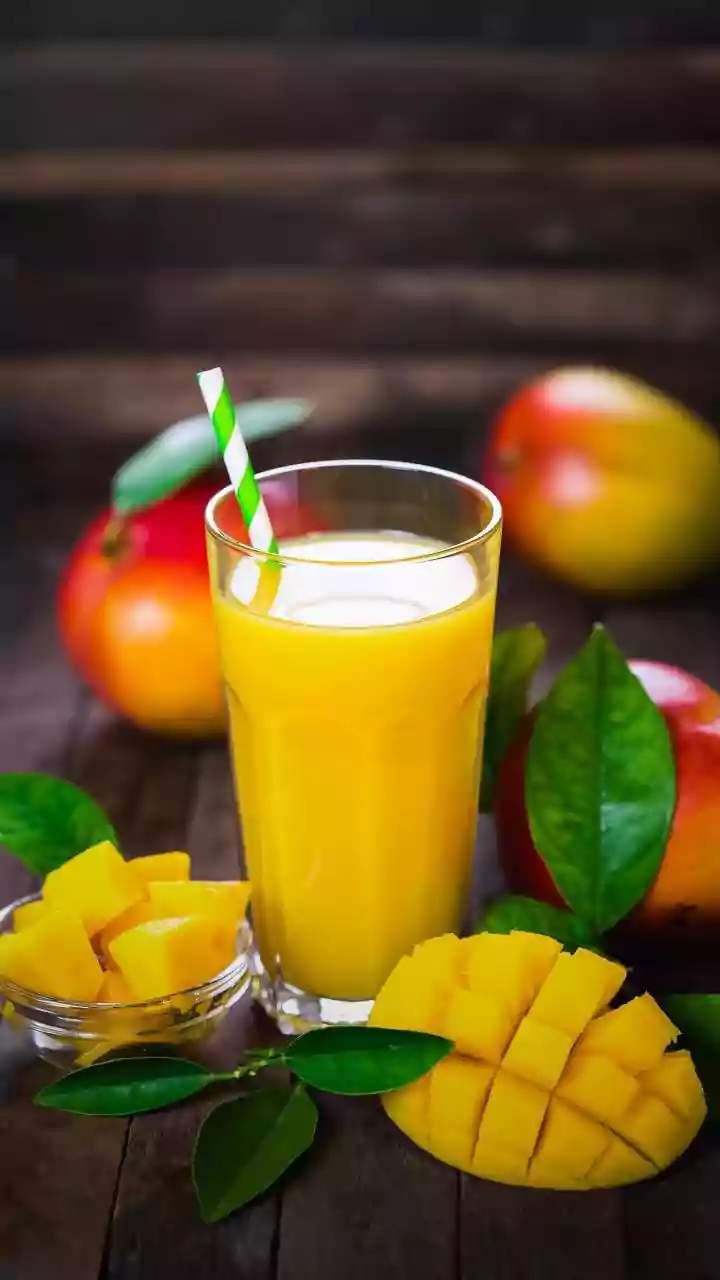
When mangoes are in season, mango ice cream is a must-have. The best versions of this dessert rely on the intense, aromatic sweetness of ripe, pulpy mangoes, such as the Alphonso variety. For the creamiest texture, it is often recommended to cook down
the mango puree first. This reduces the water content, which helps prevent the formation of unwanted ice crystals and concentrates the fruit's flavour. The natural thickness of the mango pulp lends itself beautifully to both traditional churned recipes and simpler no-churn versions made with condensed milk and whipped cream. The result is a smooth, luscious ice cream that tastes like pure, unadulterated sunshine.
A Taste of the Hills: Strawberry
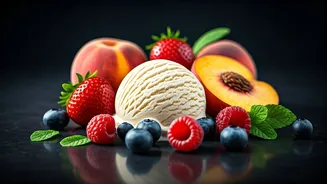
Fresh strawberry ice cream is a timeless classic for a reason. Its perfect balance of sweetness and tartness offers a refreshing counterpoint to the richness of the cream base. The main challenge with strawberries is their high water content, which can make ice cream icy rather than creamy. To combat this, many recipes suggest macerating the strawberries in sugar for a couple of hours. This process draws out the juices, which can then be used to flavour the base, while the fruit pieces can be folded in later. Some home cooks even advocate for roasting the strawberries to intensify their flavour and reduce moisture, ensuring a smooth, scoopable final product. A little bit of lemon juice can also help brighten the fruit's natural taste.
The Creamy Surprise: Sitaphal (Custard Apple)
Sitaphal, or custard apple, ice cream is a uniquely Indian delicacy that has gained widespread popularity. The fruit's naturally creamy, grainy texture and sweet, floral flavour make it a perfect candidate for a frozen dessert. The most time-consuming part of the process is carefully removing the numerous seeds from the delicate pulp, but the reward is well worth the effort. Most recipes are wonderfully simple, often involving blending the fresh pulp with milk, cream, and sugar. Because the fruit itself is so creamy and thick, it creates a rich-tasting ice cream without needing a complex custard base. For an even creamier result, some methods suggest re-blending the ice cream mixture after it has partially frozen to break down any ice crystals.
The Tangy Delight: Jamun (Java Plum)
With its stunning natural purple hue and distinctive sweet-and-sour taste, Jamun is another seasonal fruit that makes for an exceptional ice cream. The tartness of the fruit provides a beautiful contrast to the sweetness of the ice cream base. Similar to mangoes, it's often recommended to cook the deseeded fruit with a bit of sugar to create a compote or puree. This not only deepens the flavour but also ensures the final dessert has a more intense fruitiness and a smoother consistency. This cooked puree is then folded into a base of cream and condensed milk. The result is a vibrant, flavour-packed ice cream that is both refreshing and deeply satisfying, capturing the essence of the monsoon season in a scoop.
Tips for Perfect Fruit Ice Cream
Making delicious fruit ice cream at home is all about managing the fruit's natural properties. Fruits with higher water content, like strawberries or watermelon, are more prone to creating an icy texture. Using ripe, in-season fruit will always yield the best flavour. For a smoother texture, consider using a stabiliser like a small amount of cornflour slurry cooked with milk or even a pinch of xanthan gum. Also, ensuring all your ingredients, especially the cream and fruit puree, are well-chilled before you start can make a big difference. Finally, to prevent ice crystals from forming on top, press a piece of parchment paper directly onto the surface of the ice cream before sealing the container and freezing.