




Building the Foundation in School
The journey to a career in space science begins long before university. Aspiring space scientists must build a strong academic foundation during their school years. The crucial step is opting for the science stream after Class 10, focusing on Physics,
Chemistry, and Mathematics (PCM). These subjects are the bedrock for nearly all engineering and pure science degrees required for the space sector. A deep understanding of core concepts in physics and mathematics is particularly important. While not always mandatory, having Computer Science as an additional subject can provide a significant advantage, given the increasing reliance on programming and data analysis in space technology.
Undergraduate Pathways: Your First Step into Space
After Class 12, students have several educational routes. The most direct is pursuing a Bachelor of Technology (B.Tech) or Bachelor of Engineering (B.E.) in fields like Aerospace Engineering, Mechanical Engineering, Electronics & Communication, or Computer Science. Alternatively, a Bachelor of Science (B.Sc) in Physics or Astronomy can be a great starting point for those inclined towards research. Gaining admission to premier institutes requires clearing highly competitive entrance exams. The Joint Entrance Examination (JEE) Main and Advanced are critical, as they are the gateway to the prestigious Indian Institutes of Technology (IITs), National Institutes of Technology (NITs), and, most importantly, the Indian Institute of Space Science and Technology (IIST).
The Premier Gateway: Indian Institute of Space Science and Technology (IIST)
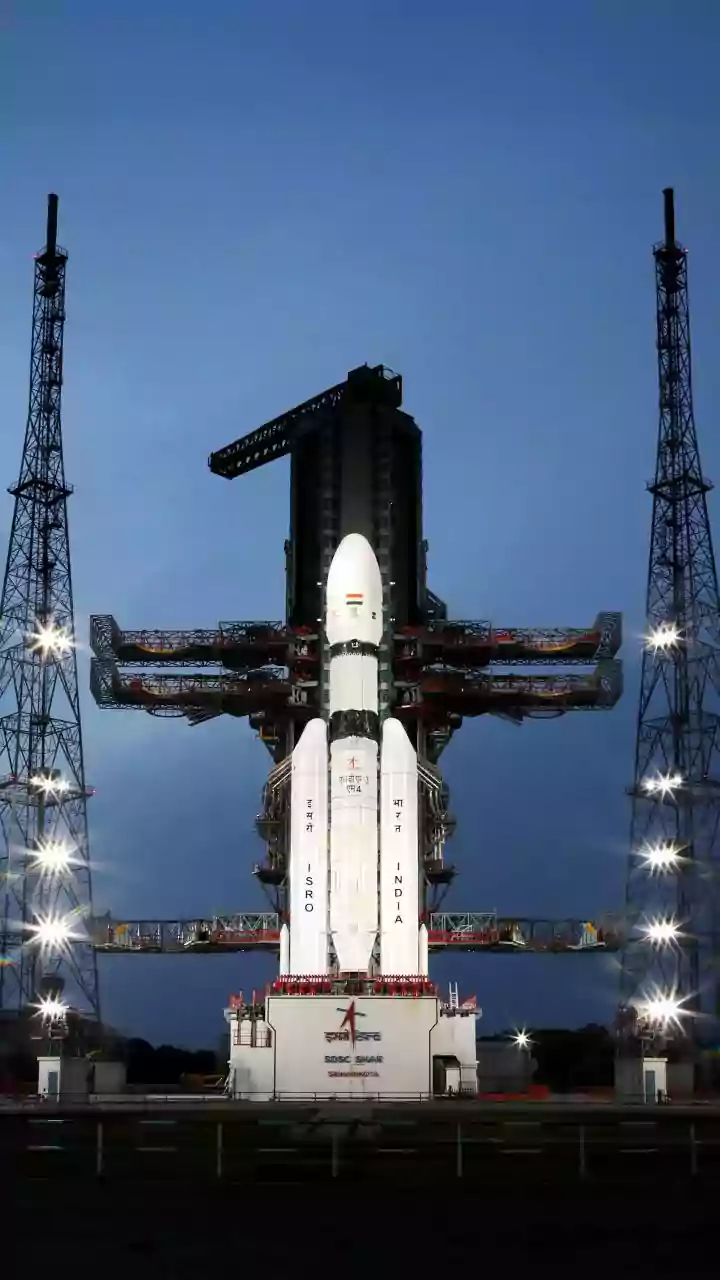
Located in Thiruvananthapuram, IIST is a university funded by the Department of Space, Government of India, created specifically to groom talent for the country's space program. Admission is exclusively through the JEE Advanced exam. The institute offers undergraduate courses in Aerospace Engineering and Electronics & Communication Engineering (Avionics), along with a Dual Degree program in Engineering Physics. A key advantage of studying at IIST is its close ties with the Indian Space Research Organisation (ISRO). Based on vacancies and a minimum academic performance (typically a CGPA of 7.5 or above), graduates may be recruited directly into ISRO as scientists or engineers.
The Ultimate Destination: Working at ISRO
Joining ISRO is a dream for many. Besides the direct recruitment from IIST, the primary method of entry is through the ISRO Centralised Recruitment Board (ICRB) exam. This is typically open to candidates with a B.E./B.Tech or a relevant Master's degree. The process involves a written test followed by an interview for shortlisted candidates. A good score in the Graduate Aptitude Test in Engineering (GATE) is also a route for recruitment, particularly for certain specialised roles. ISRO also offers internships and Junior Research Fellow (JRF) positions, which can provide invaluable experience and serve as a pathway into the organisation for research-oriented roles.
The New Frontier: India's Private Space Sector
The Indian space landscape is no longer limited to government organisations. A vibrant private sector has emerged, with over 300 active startups as of 2025. Companies like Skyroot Aerospace, which became India's first space-tech unicorn in 2026, Agnikul Cosmos, Pixxel, and Dhruva Space are building everything from rockets to satellite constellations. These startups are hiring aggressively across engineering, software development, and data analysis roles. They offer a fast-paced environment and a chance to work on cutting-edge projects from an early stage. While a degree from a top institution helps, these companies value practical skills and a passion for innovation, hiring from a wide range of engineering colleges.