






What We Already Knew About Fireworks
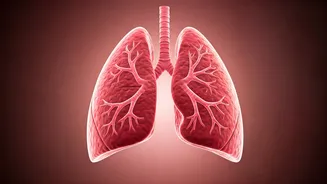
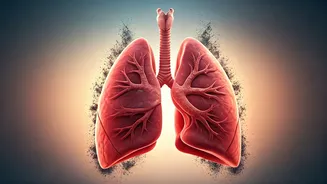
For years, the primary concern around fireworks has been air pollution. We know that when they explode, they release a cloud of fine particulate matter (PM2.5), tiny particles that can penetrate deep into our lungs and enter the bloodstream. This smoke
is filled with heavy metals like barium, copper, and strontium, which are used to create the brilliant colours. During festivals like Diwali, air quality in major cities often plummets to hazardous levels, linked to a surge in respiratory problems, coughing, and irritation of the lungs, especially for children, the elderly, and those with conditions like asthma. This understanding, focused on the immediate, visible smoke, has shaped public health advisories for years. However, recent findings show this is only part of the story.
The Contamination Left Behind in Water
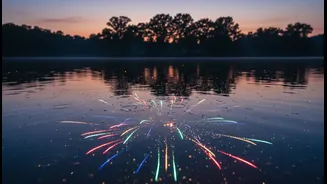
One of the most significant new findings shifts our focus from the air to the ground and water. After a celebration, the ground is often littered with the charred remains of firecrackers. A new lab study found that this debris is not inert; when it comes into contact with water, it leaches a cocktail of pollutants. Researchers discovered that spent firecracker residue releases significant amounts of metal ions like potassium and manganese, as well as dissolved organic matter such as phenols and sulfur-containing compounds, into lake and river water. These chemicals can alter water chemistry, potentially disrupting microbial activity and harming aquatic life. This is especially concerning after large-scale festive events where residue can be washed into water bodies by rain, affecting entire ecosystems. The study suggests that simply cleaning up the debris thoroughly can help mitigate this form of water pollution.
More Than Just Fireworks in the Air
Another study aimed to understand the full pollution picture at large public celebrations. Researchers monitored air quality at a multi-day athletic competition in the U.K. and found that while firework displays did cause sharp spikes in fine particle pollution, they weren't the only source. Other activities, such as cooking aerosols from food vendors and dust kicked up by vehicles and large crowds, also contributed significantly to poor air quality. The opening and closing ceremonies, for instance, each produced two distinct spikes in pollutants: one from dust as people arrived, and a second from the fireworks themselves. The cumulative effect was substantial. Researchers estimated that people who attended all the events were exposed to pollution levels that exceeded the World Health Organization's (WHO) recommended limits, highlighting how large celebrations as a whole can become significant pollution exposure events.
The Invisible Haze: More Than Just Smoke
Perhaps the most fascinating discovery is about the nature of the haze that lingers long after the fireworks have faded. It turns out, it is not just ash and smoke. Some firework formulations contain chemicals called amines. Scientists wanted to know if these amines were burned up in the explosion or released into the atmosphere. By measuring gases and particles during Lunar New Year celebrations in China, they found a substantial increase in airborne amines, especially during the biggest displays. Once in the atmosphere, these amines can react to form aerosols, which are microscopic particles that contribute to haze and reduce air quality. This means that even after the visible smoke has cleared, invisible chemical processes continue to generate pollution, contributing to the thick haze that often blankets cities after major festivals.