






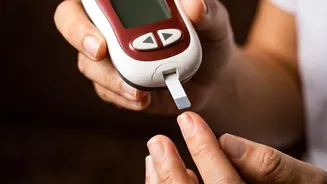
Diabetes is a chronic condition that affects how your body turns food into energy. Many people live with it for years before being diagnosed. Recognizing the subtle, early warning signs is a critical first step toward management and better health.
Frequent Urination
One
of the most common early signs of diabetes is needing to urinate more often than usual, especially at night. This happens because high blood sugar levels force the kidneys to work overtime to filter and absorb excess glucose. When your kidneys can't keep up, the extra sugar is flushed out through urine, pulling fluids from your tissues along with it. This process, known as osmotic diuresis, leads to producing larger volumes of urine more frequently. While many factors can influence bathroom habits, a persistent and noticeable increase, particularly waking up multiple times at night, warrants attention.
Increased Thirst
The frequent urination caused by high blood sugar can lead to dehydration, which in turn triggers a feeling of excessive thirst, a condition called polydipsia. You might feel constantly thirsty, no matter how much water you drink. This creates a cycle: as your body loses fluids through urination, it signals a need to replenish them, leading you to drink more, which then contributes to more frequent urination. If your thirst feels unquenchable and accompanies frequent trips to the bathroom, it could be your body's response to an underlying glucose imbalance.
Unexplained Weight Loss
Losing weight without trying might seem like a welcome change, but it can be a significant warning sign. This symptom is particularly common in Type 1 diabetes but can also occur in Type 2. It happens when your body can't get enough energy from glucose due to a lack of insulin or insulin resistance. To compensate, your body starts burning fat and muscle for fuel at a rapid pace, causing weight loss even if your appetite has increased. A sudden drop of 10 pounds or more should be discussed with a doctor.
Persistent Fatigue
Feeling constantly tired, even after a full night's sleep, is another key indicator. When glucose cannot enter your cells to be used for energy, your body is effectively starved of its main fuel source. This can leave you feeling sluggish, weak, and chronically exhausted. The dehydration resulting from frequent urination can also contribute to this feeling of fatigue. If you feel too weak to perform everyday activities or are exhausted after meals, it's a sign that your body isn't converting food into energy efficiently.
Blurred Vision and Numbness
High blood sugar levels can cause the lenses in your eyes to swell, leading to blurred or fluctuating vision. You might find that things go in and out of focus at different times of the day. Additionally, prolonged high blood sugar can damage nerves, a condition known as diabetic neuropathy. This may start as a tingling, burning sensation, or numbness in your hands and feet. While these symptoms can be subtle at first, they are signs of potential longterm damage and should not be ignored.
Other Potential Signs
Several other symptoms can point toward prediabetes or diabetes. Slowhealing sores or frequent infections can occur because high blood sugar impairs circulation and the bodys natural healing processes. You might also notice darkened patches of skin, often on the neck, armpits, or groin, a condition called acanthosis nigricans that signals insulin resistance. Persistent hunger, even after eating, can also be a sign, as your cells arent getting the glucose they need.