






The Rise of the 'Experience Economy'
There's a growing feeling that weekends have become just another form of screen time, a blur of binge-watching and social media scrolling. But a significant trend shows that Indians are pushing back, consciously choosing to invest in doing things rather
than just owning them. This isn't just a fleeting feeling; it's a documented shift in consumer behaviour. According to a recent report by CBRE, spending by Indian consumers on experiences like travel, dining, and cultural activities is projected to grow faster than spending on physical goods through 2030. [3, 5, 8, 9] This 'experience economy,' once a niche concept, has gone mainstream, accelerated by the post-pandemic desire to make up for lost time and create meaningful memories. [3, 7] The focus is no longer just on what we buy, but on the stories we can tell and the moments we collect.
From Digital Burnout to Digital Detox
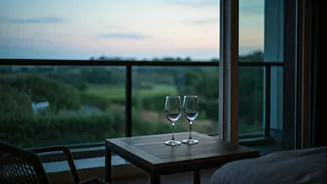
What's driving this change? A major factor is digital burnout. The constant barrage of notifications and the pressure to be 'always on' have left many feeling mentally exhausted. [21] In response, a growing number of people are seeking 'digital detox' holidays and weekends, intentionally choosing locations with limited network coverage to truly disconnect. [16, 21] Travel agencies are even offering 'unplugged vacation' packages to remote locations to help people escape screen dependence. [21] This isn't about rejecting technology entirely, but about reclaiming control over our time and attention. The goal is to swap the stress of a low battery for the calm of a forest walk or the joy of an uninterrupted conversation. It's a move from the Fear Of Missing Out (FOMO) to the Joy Of Missing Out (JOMO), where fulfillment comes from being present in the moment, not from documenting it for others.
The New Weekend Itinerary in India
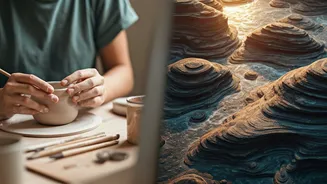
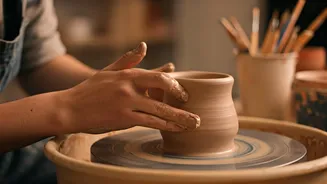
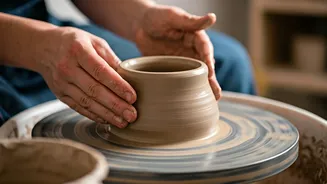
So, what do these 'real experiences' look like on the ground in India? The answer is incredibly diverse. Across cities, adults are flocking to weekend workshops to learn pottery, calligraphy, classical dance, or even perfume-making. [13, 30] These classes offer more than just a new skill; they provide a space for creativity without the pressure of productivity. [13] Local travel is also booming, with a focus on micro-trips and discovering lesser-known 'dupe destinations' that offer beauty without the crowds. [18] Instead of one long annual vacation, many are opting for shorter, more frequent getaways to nearby hills, forests, or coastal towns like Gokarna. [18, 20] Even cultural and spiritual gatherings are being reimagined, with formats like 'bhajan clubbing' attracting younger audiences who crave community and connection. [11] It's all part of a search for authentic activities that engage the senses and build real human connections.
More Than a Hobby, It's a Lifestyle
This shift is so pronounced that businesses are taking note. The live events segment is one of the fastest-growing categories in India's entertainment industry, as brands realize that immersive experiences create more powerful connections than traditional ads. [14] From music festivals to food tours and heritage walks, the market for curated experiences is expanding rapidly. [6, 27] This trend is especially strong among younger generations like Gen Z and millennials, who prioritize personal growth, social connection, and creating a life rich with memories over material possessions. [3, 11] They see experiences as a reflection of their identity and values. [7] This isn't just about escaping boredom; it's about actively constructing a more fulfilling and well-rounded life, one weekend at a time.