




What is Rice Water?
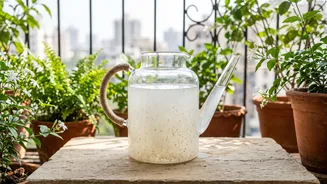
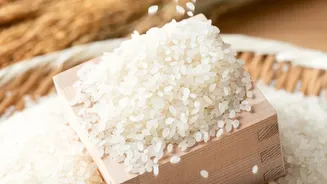
Simply put, rice water is the liquid left over after washing or soaking uncooked rice. This milky fluid is filled with starches, vitamins, and minerals that leach from the rice grains. For generations, gardeners have repurposed this kitchen byproduct,
turning what would be waste into a valuable, mild fertiliser for their plants. It's not a complete replacement for a balanced fertiliser, but it serves as an excellent, zero-cost supplement to support your plant care routine. The most significant benefits come from the way it interacts with the soil ecosystem, creating a healthier environment for your plants to thrive.
1. A Source of Gentle Nutrients
Rice water contains small but significant amounts of the 'big three' macronutrients plants need: nitrogen (N), phosphorus (P), and potassium (K). Nitrogen helps with leafy growth, phosphorus supports root development and flowering, and potassium regulates a plant's overall functions. Beyond these, rice water also delivers B vitamins and other trace minerals like magnesium and zinc. While the concentration is much lower than in commercial fertilisers, this gentle dose provides a consistent, mild boost that reduces the risk of 'fertiliser burn', where an excess of chemical salts damages a plant's roots.
2. It Feeds Beneficial Soil Life
Perhaps the most significant benefit of rice water happens at the microscopic level. The starches in the water are a feast for beneficial microbes in the soil, such as bacteria and mycorrhizal fungi. When these microorganisms thrive, they work to break down organic matter in the soil, converting it into forms that plant roots can easily absorb. This creates a more 'alive' and robust soil ecosystem. A healthy population of microbes helps improve nutrient uptake, making your regular fertilising efforts more effective and promoting a stronger, more resilient plant.
3. Promotes Stronger Root Systems
Healthy roots are the foundation of a healthy plant. The nutrients and beneficial bacteria in rice water directly contribute to better root development. Fermented rice water, in particular, is rich in beneficial bacteria like lactobacilli, which can help stimulate root growth. Furthermore, the B vitamins, especially thiamine (B1), found in rice water are known to help plants establish stronger root systems and can aid in propagation efforts. Stronger roots mean the plant can absorb water and nutrients more efficiently, leading to more vigorous overall growth.
4. Improves Soil Structure
Regular, moderate application of rice water can lead to better soil texture. The increased activity of beneficial microbes and earthworms helps to loosen and aerate compacted soil. This improved structure allows for better water penetration and oxygen flow to the roots, preventing problems like waterlogging. For potted plants, which can suffer from compacted soil over time, this is a major advantage. The soil becomes better at both retaining necessary moisture and draining away excess, creating a more stable and supportive environment for the roots.
5. A Free and Sustainable Choice
In a world where we are all trying to reduce waste, using rice water is a simple and effective act of sustainability. Every household that cooks rice produces this nutrient-rich water daily. Instead of letting it go down the drain, you are upcycling a kitchen byproduct into a valuable resource for your garden. This saves money on fertilisers and reduces your household's water waste. It is an easy, eco-friendly practice that connects your kitchen directly to the health of your home's green spaces.
How to Prepare and Use It Safely
You can use either plain or fermented rice water. For plain water, simply collect the cloudy liquid from rinsing about half a cup of uncooked rice in two to three cups of water. Use it immediately or within 24 hours. For a more potent, fermented version, let this water sit in a loosely covered jar at room temperature for two to five days, until it develops a slightly sour smell. Always use water from unsalted rice, as salt is harmful to plants. Dilute fermented rice water with at least an equal part of plain water (a 1:1 ratio) before using. Apply it to the soil no more than once every one to two weeks during the growing season.
A Few Words of Caution
While beneficial, rice water should be used in moderation. Overuse can lead to a build-up of starch on the soil surface, which can attract pests like fungus gnats, cause mold to grow, or create a crust that blocks oxygen. It is not suitable for all plants; avoid using it on succulents and cacti that prefer dry soil. If you notice any foul odours, mold growth, or increased pest activity, discontinue use and let the soil dry out. Think of it as a supplemental treat, not the main course in your plant's diet.