


The scenic beauty of a drive through winding mountain roads is often spoiled by a familiar foe: motion sickness. That queasy feeling doesn't have to be an inevitable part of your journey. The secret to a smoother ride might just be in your snack bag.
The Science of Car Sickness
Motion sickness is essentially a communication breakdown in your brain. It happens when your brain receives conflicting signals from your senses. Your inner ear, which is responsible for balance, feels the twists and turns of the car. However, your eyes, focused on the static interior of the car, tell your brain that you're not moving. This sensory mismatch confuses the brain, which can trigger a cascade of unpleasant symptoms like dizziness, cold sweats, and nausea. This conflict between what you see and what you feel is the primary cause of that dreaded queasy sensation that can ruin a road trip.
The Empty Stomach Dilemma
It's a common myth that you should travel on an empty stomach to avoid getting sick. In reality, an empty stomach can make motion sickness worse. When your stomach is empty, stomach acids have nothing to work on, and low blood sugar can intensify feelings of dizziness and light-headedness. On the other hand, being too full is also a problem. A heavy, greasy, or spicy meal before a trip can overload your digestive system, making you more susceptible to nausea when the car starts moving. The goal is to find a 'Goldilocks' state: not too empty, and not too full.
The 'Balanced Snack' Strategy
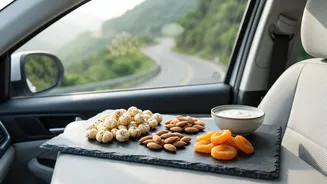
The key to preventing motion sickness is to keep your stomach lightly and consistently occupied. This is where balanced snacking comes in. The ideal snack is one that combines a light, bland protein with a complex carbohydrate. This combination helps stabilize blood sugar and gives your stomach something to digest without feeling heavy. Think of it as providing a steady, calming influence on your digestive system, which helps prevent the onset of nausea. Grazing on small snacks throughout the drive is more effective than eating one large meal.
Ghat-Friendly Snacks to Pack
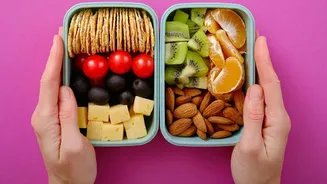
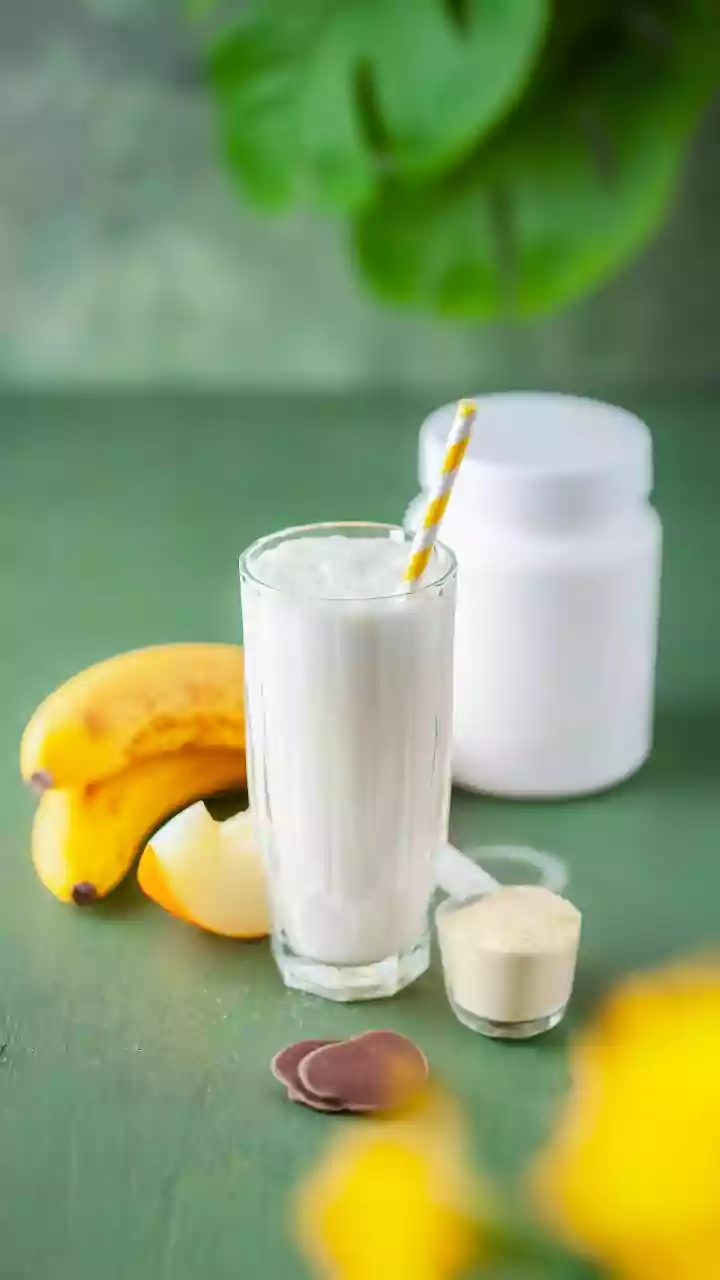
When planning your road trip snacks, focus on items that are bland, low-fat, and easy to digest. Plain crackers, pretzels, or dry cereal are excellent choices because they can help absorb excess stomach acid. Pairing them with a source of protein like almonds or peanut butter can help you stay full longer. Bananas are another great option as they are gentle on the stomach and rich in potassium. Ginger is well-known for its anti-nausea properties, so consider packing ginger chews or sipping on ginger ale. Sipping water regularly is also crucial, as dehydration can worsen nausea.
Foods and Drinks to Avoid
Just as important as what you eat is what you avoid. Steer clear of greasy, fried, and spicy foods, as they are hard to digest and can irritate your stomach. Foods with strong odours can also trigger nausea. It's also wise to skip acidic foods and drinks like citrus fruits and coffee. Carbonated sodas (other than ginger ale) and alcohol should also be avoided, as they can contribute to bloating and dehydration, making symptoms worse. By being mindful of your food and drink choices, you can significantly reduce your risk of feeling sick and enjoy the journey as much as the destination.