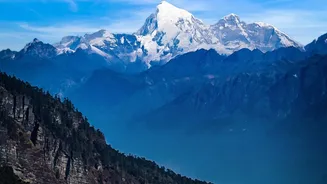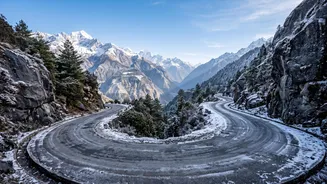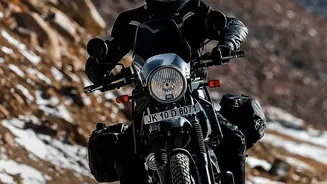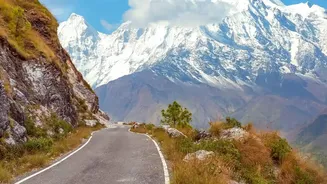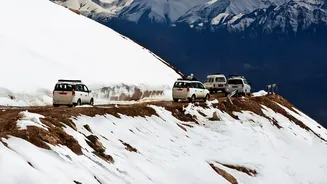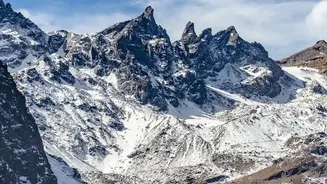


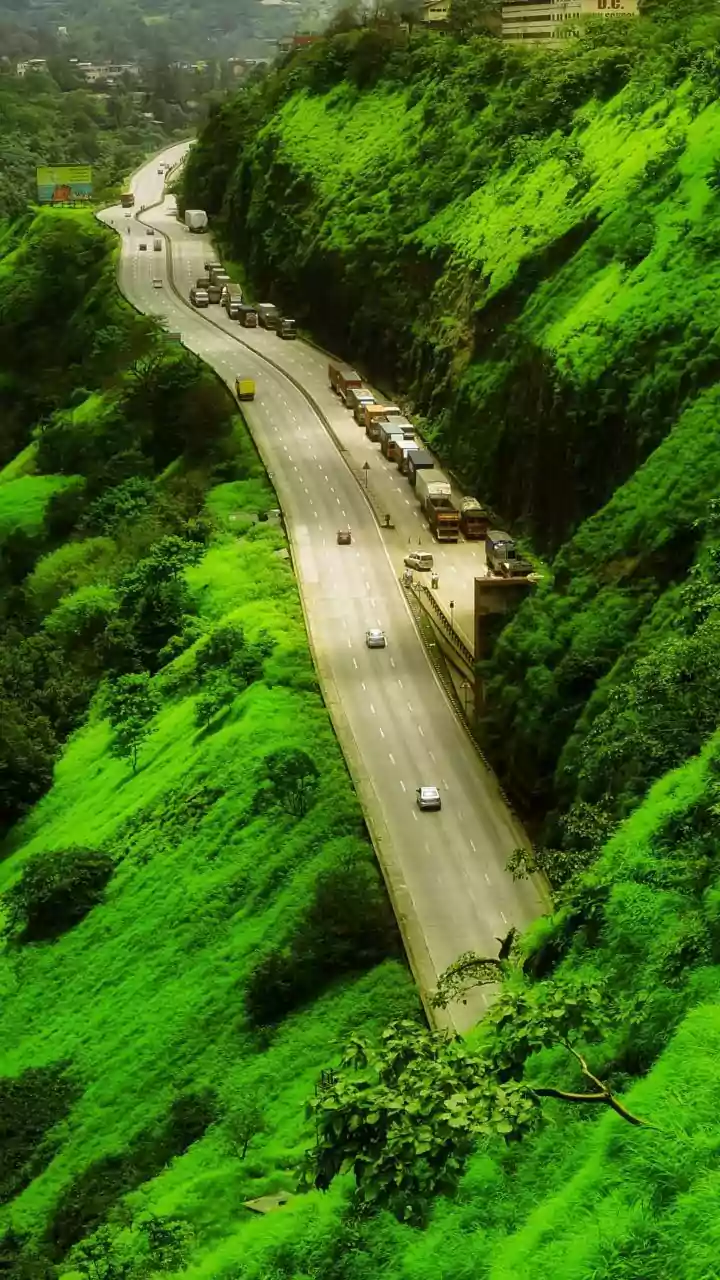
The Himalayas in early winter offer crisp air and snow-dusted peaks, a tempting escape for many. But this transitional season also brings unique hazards, especially on the region's notoriously narrow single-lane roads. Preparation is key.
Master the Uphill Right of Way
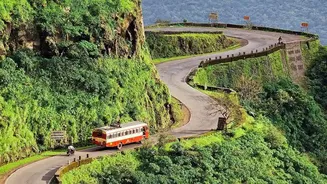
On a narrow mountain
road where two vehicles cannot pass, the vehicle driving uphill always has the right of way. Drivers heading downhill must find a safe spot to pull over and wait. The logic is simple: it is far more dangerous for a vehicle climbing a steep gradient to lose momentum and risk rolling backwards than it is for a descending vehicle to pause. This isn't just a suggestion; it is a critical, universally accepted rule of the road in the mountains that prevents accidents. Always give way to ascending traffic, and never stop to admire the view on a steep uphill section, as this can be dangerous for you and others.
Prepare Your Vehicle for the Cold
Before any Himalayan journey, a thorough vehicle check-up is essential. As temperatures drop, especially at high altitudes, your car is put under significant strain. Ensure your brakes, tyres, and engine are in top condition. It's recommended to have your fluids, particularly coolant, checked and rated for sub-zero temperatures. Your tyres should have ample tread, and you should know your vehicle's recommended pressure, as cold air can cause it to drop. For early winter, when snow is a possibility, a 4x4 or all-wheel-drive vehicle is ideal, but if you're in a 2WD, carrying snow chains is mandatory. Many high-altitude routes, like the roads beyond Darcha, may require 4x4 vehicles by law during this period.
Beware the Invisible Threat of Black Ice
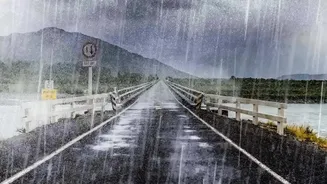
Black ice is a thin, transparent layer of ice that makes the road look merely wet, not icy, making it incredibly dangerous. It forms when temperatures dip below freezing, especially in the early morning or evening. Be extremely cautious on bridges, overpasses, in tunnels, and on shaded parts of the road where sunlight doesn't reach, as these are prime spots for black ice formation. If you encounter a patch, avoid sudden braking or steering. Instead, take your foot off the accelerator and steer straight. Reduce your speed dramatically on any stretch where you suspect ice might be present—even if you're used to driving at 40 km/h, slow down to 10–15 km/h.
Use Your Horn and Drive Defensively
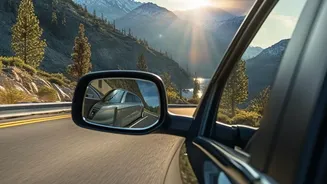
Honking on mountain roads is not considered rude; it's a vital communication tool. A short beep before every blind curve alerts oncoming traffic to your presence. Given the narrow roads, you must always stay in your lane and never cut corners. Maintain a much larger following distance than you would on city roads, giving yourself plenty of time to react to sudden stops or obstacles like rockfalls or livestock. In some Himalayan regions, truck drivers use signals to help smaller vehicles: a right indicator can mean 'it is safe to overtake', while a left indicator means 'do not pass'. However, always prioritise your own judgement.
Pack a Comprehensive Emergency Kit
In the remote Himalayas, help can be hours away, making self–reliance crucial. Your emergency kit is your lifeline. It should include essentials for warmth, such as blankets or sleeping bags and thermal layers for every passenger. Pack a well–stocked first–aid kit, high–calorie, non–perishable food, and at least four litres of water per person. A basic vehicle recovery kit with a tow rope, a full–size spare tyre, and a toolkit is also non–negotiable. Keep critical items like water, snacks, and a flashlight within reach in the cabin, not buried in the boot.
Acclimatise and Stay Flexible
Early winter weather is unpredictable. One valley might have clear skies while the next is experiencing a snowstorm. Road closures can happen with little warning due to snowfall or landslides. Therefore, build buffer days into your itinerary and always check local road conditions before setting out. High altitudes also pose the risk of Acute Mountain Sickness (AMS). Plan your ascent gradually to allow your body to acclimatise to the thinner air. Stay hydrated, eat light meals, and carry basic medication for altitude sickness after consulting a doctor.