




A Return to Culinary Roots
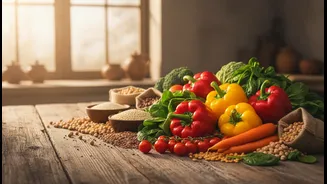
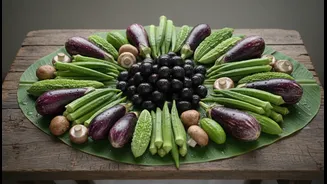
The idea of a 'plant-based' diet might seem like a modern phenomenon, but it is a concept deeply embedded in Indian culture for centuries. Traditional Indian vegetarianism is not about restriction; it is an expansive culinary philosophy built upon a vast
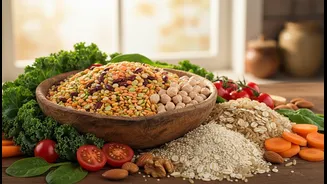
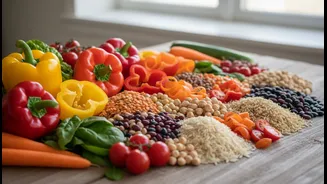
array of vegetables, fruits, grains, and, most importantly, legumes. Across the diverse regions of India, from the wheat-based diets of the north to the rice-centric meals of the south, plant-based ingredients form the foundation of everyday eating. This approach is not a new trend to be adopted but a rich heritage to be rediscovered. It reminds us that wholesome, satisfying meals can be crafted from the simple, natural ingredients that have nourished generations.
The Power of Legumes and Pulses
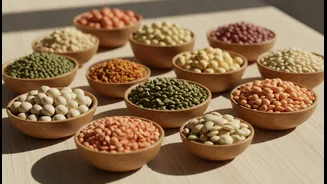
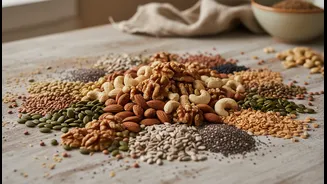
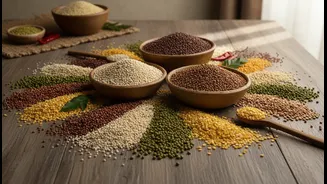
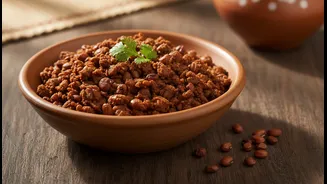
Legumes, or dals, are the undisputed heart of Indian vegetarian cooking. From toor and moong to chana and urad, the variety is immense, and their nutritional value is even more impressive. As an essential source of plant-based protein, legumes are particularly vital in vegetarian diets. They are also rich in dietary fibre, complex carbohydrates, and essential micronutrients like iron, folate, and magnesium. This potent combination aids in everything from maintaining heart health and managing blood sugar levels to promoting better digestion and weight management. Dishes like dal with rice or roti provide a complete protein, showcasing the inherent wisdom in traditional Indian meal structures.
Embracing 'Minimally Processed'
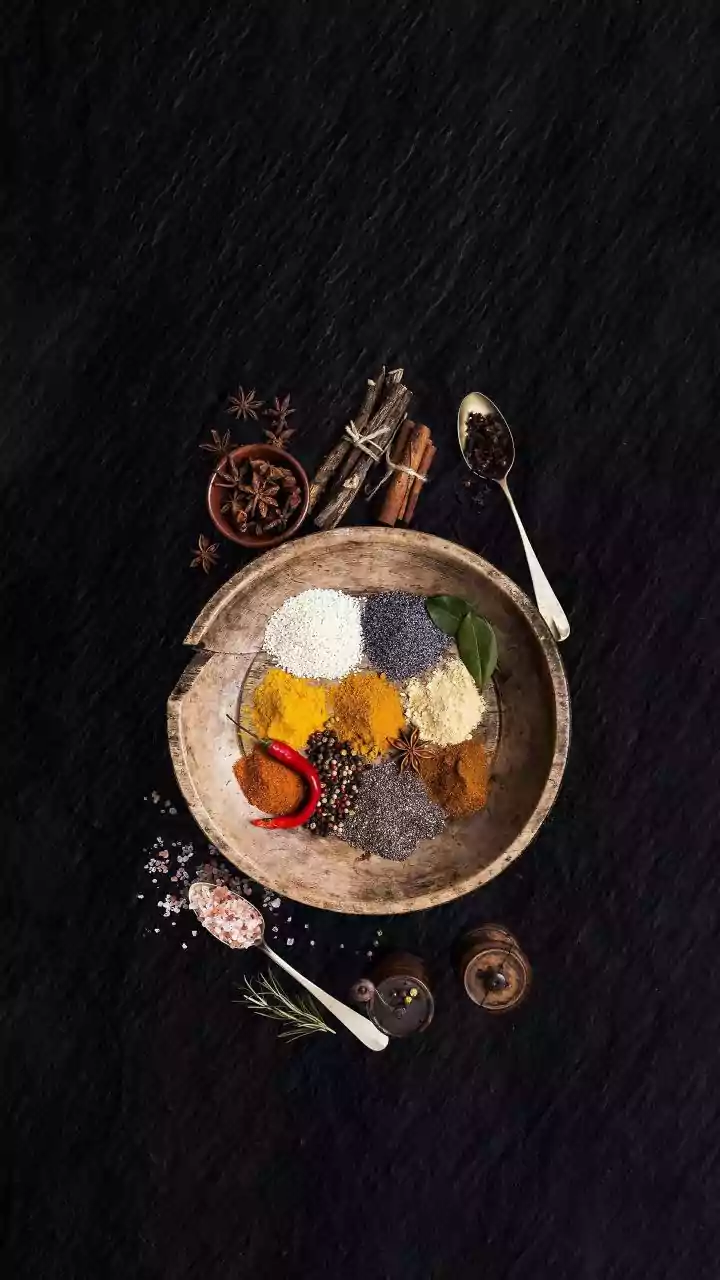
In the context of Indian cooking, 'minimally processed' signifies a focus on whole foods and traditional preparation methods. It means choosing whole grains like brown rice and millets over refined flour, using freshly ground spices instead of pre-packaged masala mixes, and preparing meals from scratch. While convenient, highly processed foods often contain excess sodium, unhealthy fats, and preservatives. Shifting the focus to minimally processed ingredients allows the natural flavours of the food to shine through. The use of aromatic spices like turmeric, cumin, ginger, and coriander not only enhances taste but also brings a wealth of health benefits, from anti-inflammatory properties to aiding digestion.
A Journey Through Regional Flavours
The diversity of India's regional cuisines offers a vibrant palette of plant-forward dishes. In the south, you might find Avial, a comforting stew of mixed vegetables in a coconut and yogurt gravy, or Idli and Sambar, a classic combination of fermented rice cakes and a tangy lentil-vegetable stew. Head west to Gujarat for Dhokla, a spongy, steamed cake made from fermented gram flour, showcasing a delicious and healthy preparation method. In the north, hearty curries like Chana Masala (spicy chickpea curry) and Aloo Gobi (potato and cauliflower) are staples, often enjoyed with whole-wheat rotis. These dishes are a testament to how regional traditions have perfected the art of making vegetables and legumes the stars of the meal.
Simple Swaps for a Modern Kitchen
Incorporating this philosophy into a busy modern lifestyle doesn't require a complete overhaul of your cooking habits. Small, simple swaps can make a significant difference. Start by making one meal a week entirely from scratch, including grinding your own ginger-garlic paste. Try substituting refined white rice with nutrient-dense options like brown rice, quinoa, or millets. Instead of buying packaged snacks, explore healthy homemade alternatives like roasted chana (chickpeas) or puffed rice bhel puri. Experiment with different types of dals to diversify your protein intake and discover new flavours. The goal is progress, not perfection, gradually building habits that prioritise fresh, wholesome food.