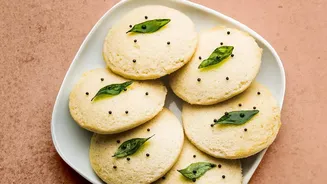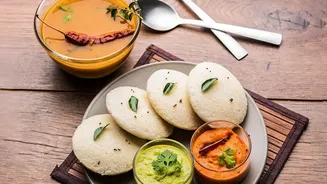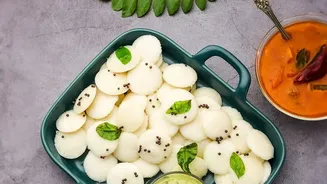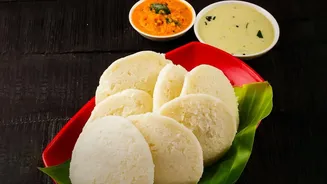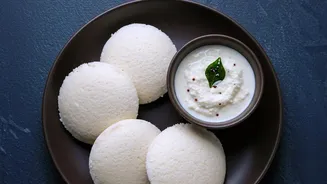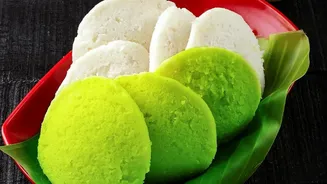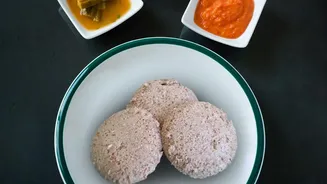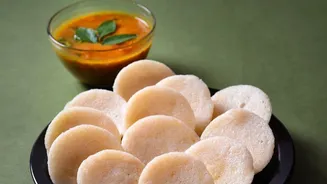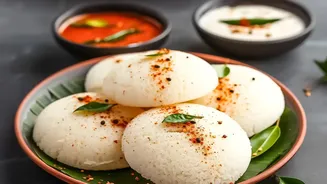



The humble idli is getting a healthy makeover. As ancient grains return to modern Indian kitchens, foxtail millet idli is emerging as a star, offering a nutritious, gluten-free twist on the beloved South Indian breakfast staple.
Rediscovering an Ancient Grain
Foxtail millet, known as
'thinai' in Tamil, 'kangni' in Hindi, and 'korralu' in Telugu, is one of the oldest cultivated millets. For centuries, it was a staple food across Asia, valued for its resilience and balanced nutrition. Unlike polished white rice, foxtail millet is a nutritional powerhouse. It's naturally gluten-free and packed with protein, high dietary fibre, and essential minerals like iron, calcium, and magnesium. This impressive profile makes it an excellent choice for anyone looking to move beyond refined grains and add more wholesome ingredients to their daily diet without compromising on tradition.
The Nutritional Upgrade Over Rice
When compared to traditional rice idlis, the benefits of using foxtail millet are clear. The most significant advantage lies in its low Glycemic Index (GI), which is around 50-55, compared to white rice's high GI of 73. This means foxtail millet releases sugar into the bloodstream slowly, preventing the sharp spikes associated with rice-based meals and making it particularly beneficial for managing blood sugar levels. Furthermore, it boasts nearly double the protein and significantly more dietary fibre than white rice. A 100g serving of foxtail millet provides about 12g of protein and 6-8g of fibre, which promotes a feeling of fullness, aids digestion, and supports weight management.
Getting the Taste and Texture Right
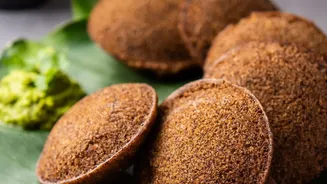
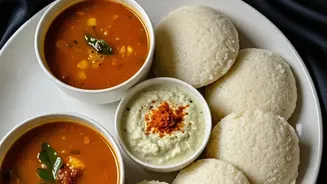
A common concern when swapping grains is the impact on taste and texture. Foxtail millet idlis have a slightly nutty and subtly sweet flavour that many find pleasing. When the batter is prepared correctly, the idlis are wonderfully soft and fluffy, often even more so than their rice counterparts. The colour is typically a duller, off-white compared to the bright white of rice idlis, but the texture is light and satisfying. Some recipes recommend adding a small amount of poha (flattened rice) or even a little idli rice to the batter to ensure an extra-soft result, especially for those new to millet-based fermentation.
Mastering the Millet Batter
The process of making foxtail millet idli batter is similar to the traditional method, but with a few key considerations. The typical ratio is 3:1 or 2:1 of foxtail millet to urad dal. First, wash and soak the millet and urad dal (with a teaspoon of fenugreek seeds) separately for at least 4-6 hours. Grinding them separately is often recommended, as urad dal needs to be ground to a very smooth, fluffy consistency, while the millet can have a slightly grainy texture. Use minimal water while grinding, as millet batters can become watery after fermentation. Once ground, combine the batters, add salt, and mix well—using your hands can help kickstart fermentation. Allow the batter to ferment in a warm place for 8-10 hours. In colder climates, placing the batter in a prewarmed (but turned off) oven can help.
Tips for Perfect, Fluffy Idlis
If your millet idlis turn out dense, the batter may have been too thin or overground. The heat from a mixer running for too long can kill the microbes needed for good fermentation, so grind in short bursts. Proper fermentation is key; the batter should rise but may not double in volume like rice batter. Don't overmix the fermented batter, as this will knock out the air bubbles. After steaming for 10–12 minutes, let the idlis rest for a few minutes before de–moulding to prevent them from sticking. With these tips, you can consistently create soft, steamed idlis that are as delicious as they are nutritious.