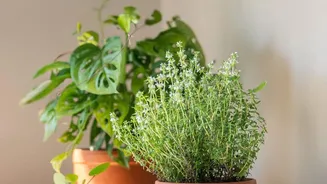






The charm of fresh herbs at your fingertips is undeniable, and thyme is a perfect candidate for any sunny Indian windowsill. This guide explains exactly why a terracotta pot with good drainage is the secret to a thriving indoor thyme plant.
Why Thyme Thrives Indoors
Thyme is a
wonderfully resilient and aromatic herb that brings a touch of Mediterranean flavour to countless dishes. Originating from rocky, sun-drenched landscapes, it is naturally drought-tolerant and less fussy than many other herbs. Its compact size and modest needs make it an ideal plant for urban gardeners in apartments, anyone with a sunny balcony, or those who simply want a fresh supply of herbs without the need for a large garden. With the right setup, you can enjoy its fragrant leaves for your culinary experiments all year round.
The Terracotta and Drainage Advantage
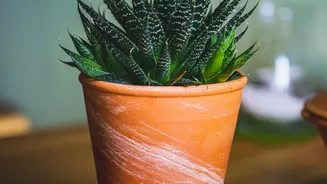
The headline's claim is the most crucial rule for growing thyme: it despises having 'wet feet'. Root rot from overwatering is the most common reason an indoor thyme plant fails. This is where terracotta pots shine. Unlike plastic, terracotta is porous, which means it breathes. This allows excess moisture in the soil to evaporate through the sides of the pot, helping the soil dry out more evenly between waterings. A pot with at least one, preferably several, drainage holes at the bottom is non-negotiable. This combination of a porous material and exit routes for water creates the perfect dry-ish environment that mimics thyme’s native habitat and prevents deadly root rot.
The Right Soil Mix
To complement the perfect pot, you need the right soil. Thyme does not need rich, heavy soil; in fact, it prefers a leaner, grittier mix. Standard garden soil is often too dense and retains too much water for a container. Instead, start with a quality potting mix, ideally one formulated for succulents or cacti. To improve it further, amend the mix with materials like coarse sand, perlite, or fine gravel to ensure it is loose and drains quickly. A good ratio is about three parts potting mix to one part grit. This ensures that even when you water thoroughly, the excess flows out quickly and air can circulate around the roots.
Sunlight: The Key Ingredient
Thyme is a sun-worshipper. To grow lush and, more importantly, flavourful, it needs at least six hours of direct, bright sunlight every day. The ideal spot in an Indian home is a south_facing or west_facing window or balcony where it can soak up the rays. If your plant doesn't get enough light, it will become 'leggy'—tall and spindly with few leaves—and its aromatic oils will be less concentrated. If you notice your plant stretching towards the light, rotate the pot every few days to ensure even growth. In homes with less natural light, a grow light can be used for 12_14 hours a day to supplement.
Watering: Less Is More
Given its drought_tolerant nature, the golden rule of watering thyme is to err on the side of underwatering. Before you water, stick your finger about an inch or two into the soil. If it feels dry, it’s time to water. When you do water, do it thoroughly until water runs out of the drainage holes. Then, and this is the important part, allow the soil to dry out completely before watering again. Never let the pot sit in a saucer of water, as this will lead to the dreaded root rot.
Harvesting and Pruning for Bushy Growth
Regular harvesting is the best way to prune your thyme plant. Snipping the fresh, green stems encourages the plant to branch out and become bushier, rather than growing tall and woody. Use clean scissors to cut the top two to three inches of growth, always making sure to cut just above a set of leaves. This stimulates new shoots to grow from that point. Try to leave at least five inches of growth on the plant so it can continue to thrive. Regularly removing stems for your kitchen not only provides fresh flavour but also keeps your plant healthy and productive.