



What Exactly Is Sattu?
Sattu is a flour made from roasted grains and pulses, most commonly Bengal gram (chana). For generations, it has been a staple in regions like Bihar, Jharkhand, and Uttar Pradesh, often called the 'poor man's protein' for its affordability and impressive
nutritional profile. Unlike besan (gram flour), which is made from raw chickpeas, sattu is made from roasted ones, giving it a distinct nutty flavour and meaning it can be consumed without cooking. Traditionally, it’s mixed with water, salt, and lemon juice to create a cooling summer sharbat or used as a filling in dishes like litti and parathas.
The Ultimate Workout Fuel
The reason sattu is gaining traction in the fitness world is its powerful nutritional makeup. Chana sattu packs a significant protein punch, with roughly 20-25 grams of plant-based protein per 100 grams. This protein is crucial for repairing the micro-tears in muscles that occur during exercise, which helps reduce soreness and build lean mass. Beyond protein, sattu is rich in dietary fibre, which aids digestion and promotes a feeling of fullness, helping to manage post-workout hunger. It also has a low glycemic index, ensuring a slow and steady release of energy rather than a sudden sugar spike, making it an excellent source of sustained fuel.
From Sharbat to Smoothie Bowl
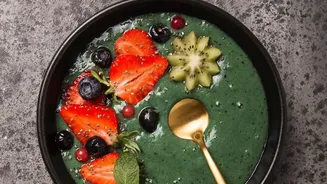
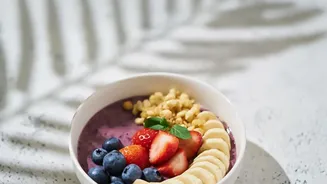
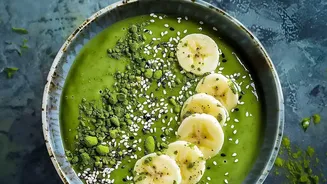
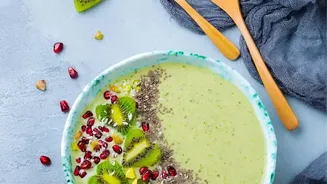
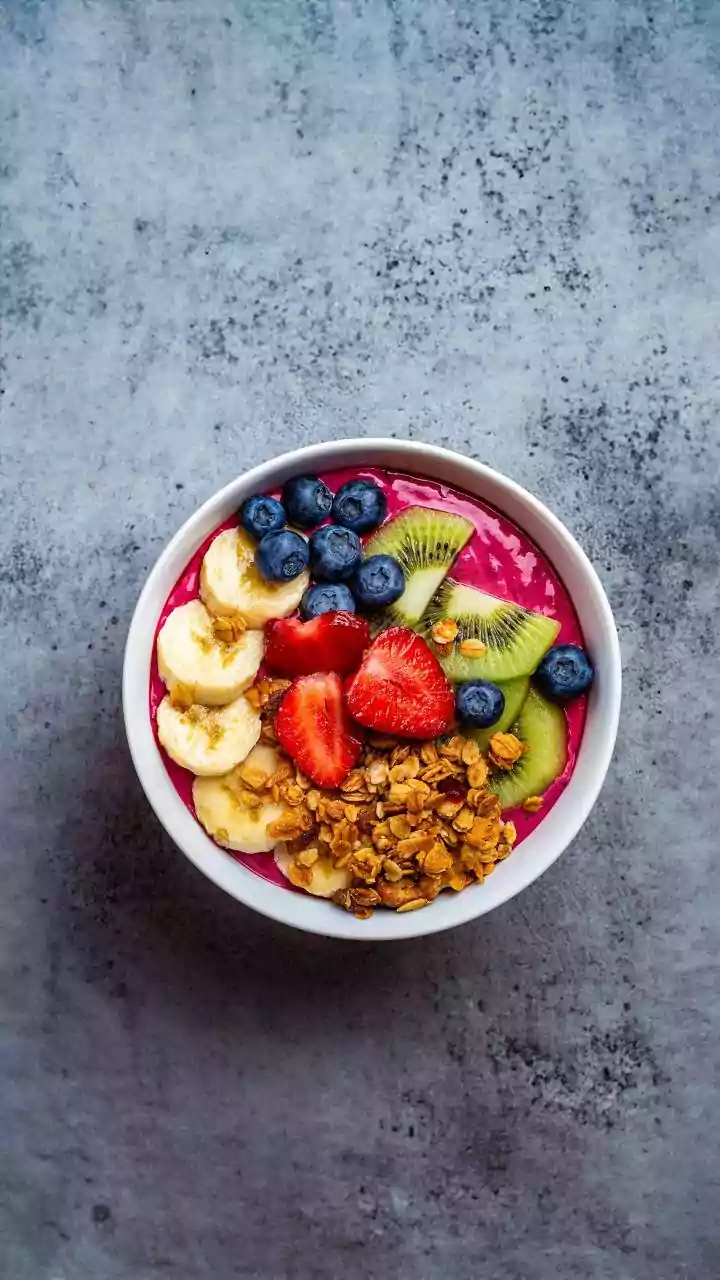
While a traditional sattu sharbat is excellent for hydration, a smoothie bowl takes its nutritional power to the next level by combining it with other nutrient-dense ingredients. A smoothie bowl is essentially a very thick smoothie, served in a bowl and eaten with a spoon, decorated with toppings like fruits, nuts, and seeds. This format allows you to create a more substantial and satisfying meal, perfect for recovery. By blending sattu into a smoothie base, you transform the humble flour into a creamy, modern meal that delivers complex carbs, protein, and healthy fats in one delicious package.
How to Build Your Sattu Smoothie Bowl
Creating your own sattu smoothie bowl is simple. Follow this basic formula and adjust to your taste. Start with 3-4 tablespoons of sattu flour. Add about 200-250 ml of a liquid base, such as milk, almond milk, or yogurt. For creaminess and natural sweetness, add half a banana or a few soft dates. To boost the flavour and nutritional value, consider adding a tablespoon of nut butter, a pinch of cinnamon, or even a scoop of cocoa powder. Blend everything until it becomes thick and smooth. If it’s too thin, add a little more sattu or a few ice cubes; if it’s too thick, add a splash more liquid. Pour it into a bowl and get ready for the best part: the toppings.
Toppings and Flavour Ideas
The toppings are what make a smoothie bowl truly special. They add texture, flavour, and an extra dose of nutrients. For crunch, add a sprinkle of pumpkin seeds, sunflower seeds, or chopped almonds. For a fresh, fruity element, top with pomegranate seeds, sliced banana, or berries. Chia seeds, which can also be blended into the base, are another great topping for extra fibre and omega-3s. Don't be afraid to experiment. Try a mango-flavoured bowl by blending in fresh mango chunks, or create a chocolate version with cocoa powder and a few dark chocolate chips on top. The versatility is one of its greatest strengths.