



An Annual Environmental Crisis
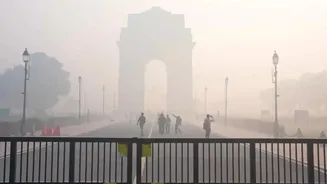
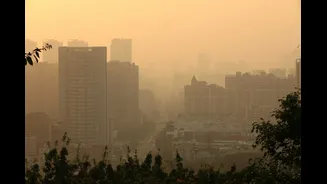
Every year, as winter approaches, a thick, grey haze settles over Delhi and the National Capital Region (NCR). This is not just fog; it is a toxic cocktail of pollutants, with the Air Quality Index (AQI) frequently breaching the 'severe' and 'hazardous'
levels. For children, the immediate consequences are physical: coughing, itchy eyes, headaches, and aggravated asthma. In response, authorities often implement emergency measures under the Graded Response Action Plan (GRAP), which can include shutting down schools and advising residents to stay indoors, turning a city-wide health crisis into a period of domestic confinement.
The Direct Link: Pollution and the Brain
The danger of air pollution extends beyond the lungs. A growing body of research highlights a disturbing connection between exposure to pollutants and mental health. Experts warn that fine particulate matter like PM2.5 can cross the blood-brain barrier, potentially causing inflammation and oxidative stress. In developing children, this can be particularly harmful. Studies have linked prolonged exposure to traffic-related pollution with a higher risk of developing anxiety, depression, and other psychiatric disorders by young adulthood. For a child in Delhi, whose brain and body are still growing, the constant assault of toxic air may create a neurological predisposition to mental distress.
From Playgrounds to Pixels
When schools close due to pollution, learning shifts online. While intended as a protective measure, this move isolates children from a critical part of their development: social interaction. The unstructured play, peer-to-peer learning, and physical activity of a normal school day are replaced by hours in front of a screen. This sudden switch can be jarring. A 2022 Delhi government study on the impact of pandemic-induced online classes found that 50% of students reported feeling 'irritated and frustrated'. Experts note that this lack of real-world connection and increased screen time can independently contribute to stress and anxiety.
The Strain of Being Trapped Indoors
Being confined at home, unable to go outside to play or meet friends, creates its own layer of psychological strain. For children, this lack of freedom can feel bewildering and deeply frustrating. A survey by Chintan Environmental Research and Action Group in early 2026 revealed that nearly 70% of children in Delhi-NCR felt distress, fear, or worry due to poor air quality, with many feeling 'cooped up'. This sense of isolation is compounded when the reason for confinement—an invisible threat in the air—is itself a source of anxiety. Experts explain that this can disrupt sleep patterns and increase irritability, further impacting a child's emotional well-being.
A Perfect Storm for Anxiety
When combined, these factors create what experts describe as a 'perfect storm' for childhood anxiety. The direct neurotoxic effects of pollution, the social isolation from online schooling, the frustration of indoor confinement, and the underlying fear about the environment can converge. Health specialists point out that these are not isolated stressors but compounding issues. Children are simultaneously dealing with the physical symptoms of pollution, the educational disruption of online classes, and the emotional toll of being separated from their peers, creating a cycle of stress that can be difficult to break.
What Can Parents and Guardians Do?
While systemic solutions to pollution are critical, experts suggest several strategies for parents to help mitigate the impact on children's mental health. Maintaining a structured daily routine, even when at home, provides a sense of normalcy. Scheduling dedicated 'offline' time for creative play, reading, or family activities can help counteract screen fatigue. Openly discussing feelings about the pollution and confinement can help children process their anxiety instead of internalizing it. Experts also advise limiting outdoor exposure on high-pollution days and using air purifiers indoors where possible to create a healthier immediate environment.