







The Monsoon Skin Challenge
The defining feature of the Indian monsoon is humidity, and it’s the primary culprit behind seasonal skin woes. When humidity levels soar, the skin's environment changes dramatically. Pores can become clogged more easily due to a combination of sweat,
pollutants, and the skin producing more natural oil, or sebum. This creates a perfect breeding ground for bacteria, leading to a noticeable increase in acne breakouts, blackheads, and general oiliness. Furthermore, the constant dampness encourages fungal growth, making infections more common, especially in skin folds. This combination of excess oil, a compromised skin barrier, and a humid environment is why skin can feel both greasy and dull during the rainy season.
A New Generation of Skincare Savvy
Unlike previous generations, today’s youth aren’t just relying on anecdotal advice. They are digital natives who have grown up with unprecedented access to information. Social media platforms like Instagram and YouTube are their primary classrooms for all things skincare. A new wave of 'skinfluencers'—dermatologists, aestheticians, and knowledgeable enthusiasts—break down complex ingredients and routines, making scientific skincare accessible. This has cultivated a highly informed consumer base that understands the 'why' behind product choices. The conversation has shifted from brand names to active ingredients, empowering young people to build routines tailored to their specific concerns, a trend also influenced by the meticulous, layered approach of K-beauty.
The Monsoon-Proof Routine
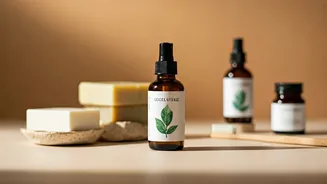
So what does this specialised routine look like? It’s a masterclass in strategic adjustment. The core principle is balancing hydration while controlling excess oil. Heavy creams are swapped for lightweight, non-comedogenic (non-pore-clogging) moisturisers, often in gel form. Ingredients like hyaluronic acid provide hydration without greasiness, while niacinamide becomes a hero for its ability to regulate sebum and minimise pores. For breakouts, gentle cleansers, sometimes with salicylic acid, are used to keep pores clear without stripping the skin's protective barrier. And despite the cloudy skies, dermatologists stress the non-negotiable step of applying a broad-spectrum sunscreen daily, as harmful UV rays still penetrate the cloud cover.
Local Wisdom Meets Global Science
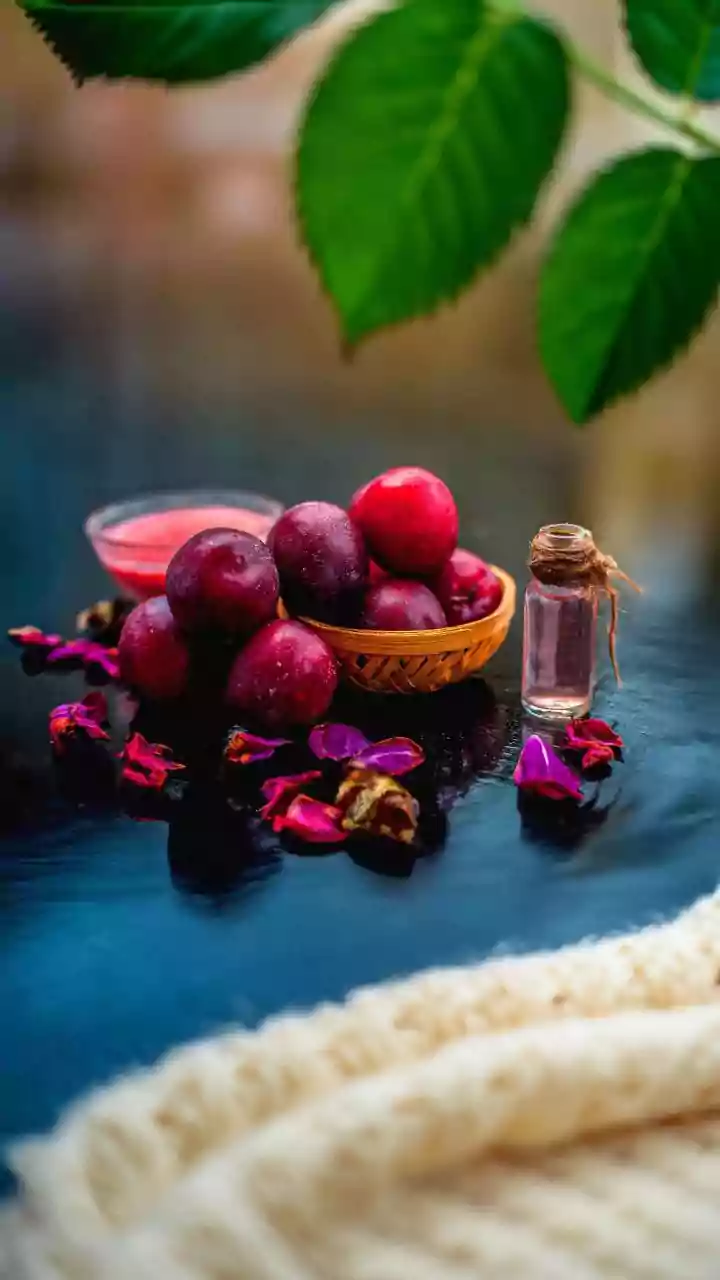
Another fascinating aspect of this trend is the fusion of modern science with traditional Indian wisdom. While young consumers are embracing scientifically-backed ingredients like Vitamin C and retinol, they are also showing renewed interest in Ayurvedic remedies. Ingredients like neem, known for its antibacterial properties, and turmeric, an anti-inflammatory powerhouse, are being sought out in modern formulations. Face packs using 'multani mitti' (Fuller's earth) to absorb oil or sandalwood to soothe irritation are popular weekly rituals. This blend creates a unique, localized approach to skincare that feels both effective and authentic.
Beyond the Surface: Skincare as Self-Care
Perhaps the biggest driver of this 'obsession' is a cultural shift that reframes skincare as an act of self-care. In a world of academic pressure and digital noise, a 15-minute skincare routine provides a moment of mindful ritual and control. It's less about vanity and more about wellness and proactive health. For many young Indians, curating a skincare routine is a hobby, a form of self-expression, and a way to invest in their own well-being. This perspective transforms the daily cleanse-tone-moisturise cycle from a chore into a cherished practice of looking after oneself.