




What Exactly is a Sandige?
Think of sandige as a cousin to the familiar papad. It’s a traditional South Indian sun-dried crisp, typically made from rice, sago, or lentils. A slurry or dough is prepared, seasoned, and then piped or spread into small shapes and left to dry in the sun for
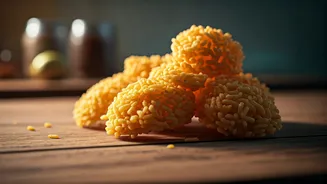
several days. Once completely dehydrated, these unassuming little crisps can be stored for months. When you're ready for a snack, you simply deep-fry them, and they puff up into light, airy, and incredibly crunchy delights. While traditionally made with freshly prepared rice flour, the genius hack of using leftover cooked rice has given this age-old snack a new lease on life.
The Zero-Waste Viral Sensation
In a world obsessed with sustainability hacks and life-on-a-budget content, the leftover rice sandige was destined for stardom. Instagram Reels and YouTube Shorts are filled with mesmerising videos of this transformation. A bowl of mushy, day-old rice becomes a smooth, glossy paste, gets piped into delicate patterns, and finally erupts into a golden, crunchy snack in a wok of hot oil. It’s culinary magic, but it’s also deeply practical. This trend taps into a collective desire to reduce kitchen waste, a value our grandmothers held dear. It’s not a new invention but a rediscovery of ancestral wisdom, perfectly packaged for a modern, eco-conscious audience.
Step 1: Create the Rice Paste
Your journey from leftover rice to crispy sandige begins here. Take your leftover cooked rice (about 1 cup to start) and add it to a blender. Don’t worry if it’s a bit dry or clumpy. Add a small amount of water—start with just a few tablespoons. You want to add just enough to help the blender turn the rice into a smooth, thick, and pourable paste, similar in consistency to idli or dosa batter. If it’s too watery, the sandige won’t hold its shape. If it’s too thick, it will be impossible to pipe. This is also the time to add your flavourings. A pinch of salt is essential. You can also add cumin seeds (jeera), asafoetida (hing), or finely chopped green chillies for a kick.
Step 2: Pipe and Sun-Dry
This is the most crucial—and patient—part of the process. Traditionally, you would spread a clean cotton cloth or a plastic sheet on a tray. Transfer your rice paste into a piping bag, a ziplock bag with a corner snipped off, or even just use a spoon. Pipe small, coin-sized dollops or thin lines onto the sheet, leaving a little space between each one as they will expand slightly. Now, for the sun. Place the tray in a spot that gets direct, strong sunlight for most of the day. It will take anywhere from 2 to 5 days for the sandige to become bone-dry, depending on the intensity of the sun. You’ll know they are ready when they lift off the sheet easily and are hard and translucent. If you live in an apartment without direct sun, you can try drying them in an oven on the lowest possible temperature setting with the door slightly ajar, but this requires careful monitoring.
Step 3: Store and Fry to Perfection
Once your sandige are completely dehydrated and brittle, your work is done—for now. You can store these dried crisps in an airtight container for up to a year, ready to be deployed whenever a snack craving hits. The final, glorious step is the frying. Heat vegetable oil in a kadai or deep pan over medium-high heat. To test if the oil is ready, drop in a small piece; it should sizzle and rise to the surface immediately. Drop a handful of dried sandige into the hot oil. In a matter of seconds, they will puff up to double or triple their size, transforming into white, crispy morsels. Use a slotted spoon to quickly remove them and drain on a paper towel. Watch them closely, as they can go from perfectly golden to burnt in a flash.