



The Shared River Superhighways
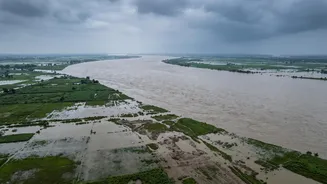
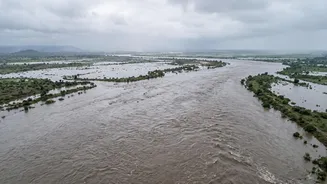
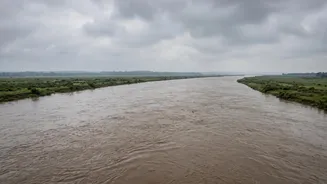
India and Nepal are connected by a vast network of rivers that originate in the Himalayas and flow south into the Gangetic plains. Several major rivers, including the Gandak and the Kosi, serve as massive drainage channels for Nepal's heavy monsoon rainfall.
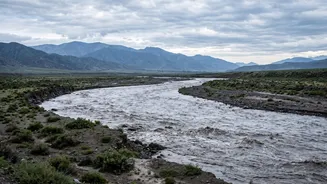
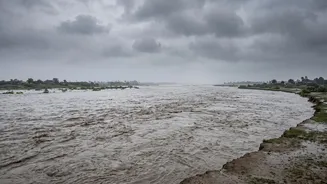
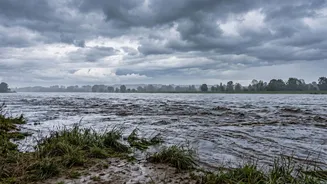
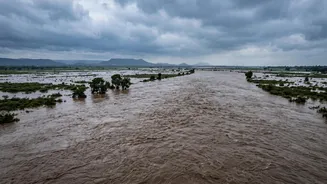
A catastrophic flash flood on Wednesday in Nepal's Bhote Koshi river, which feeds into the Gandak and Kosi systems, sent a massive surge of water downstream. This is why when Nepal experiences extreme weather, the states of Bihar and Uttar Pradesh must prepare for the consequences. The water doesn't recognize international borders, and what starts as a disaster in the mountains can quickly become a crisis on the plains.
Why This Flood Is Different
The latest event wasn't just a case of heavy monsoon rain. Reports suggest a massive flash flood, potentially triggered by an earthquake in Tibet or a glacial lake outburst, struck Nepal’s Rasuwa district with incredible force. This sent an abnormally large and sudden volume of water into the Bhote Koshi, a tributary of the Trishuli River, which in turn flows into the Gandak. The sheer volume and speed of this surge is what prompted immediate concern, as it travels downstream much faster than typical seasonal flooding. In response, authorities in Bihar took the precautionary measure of opening all 36 gates of the Valmikinagar Barrage on the Gandak river to manage the expected inflow and mitigate the impact.
Bihar's Vulnerability: The Gandak and Kosi
Northern Bihar is particularly vulnerable. The Gandak river flows through districts like West Champaran, East Champaran, Gopalganj, and Muzaffarpur. The Kosi, notoriously known as the 'Sorrow of Bihar' for its history of devastating floods and changing course, also originates in Nepal. While the immediate threat is focused on the Gandak basin, heavy rainfall in Nepal could also swell the Kosi. Anticipating the surge, a high alert was sounded across nine districts in north Bihar, and disaster response teams were deployed. Authorities have been evacuating people from low-lying areas and making public announcements to ensure residents move to safer locations as a precaution.
Uttar Pradesh on High Alert
The threat isn't confined to Bihar. Eastern Uttar Pradesh also lies in the path of rivers flowing from Nepal. The Gandak (known as Narayani in Nepal) and Ghaghara rivers affect districts like Maharajganj and Kushinagar. Following the news from Nepal, UP Chief Minister Yogi Adityanath directed the administration in these bordering districts to take all necessary precautions and maintain strict vigilance on river levels. While the primary surge is expected in the Gandak, associated heavy rains could also increase water flow in other rivers like the Ghaghara and Rapti, broadening the area of potential impact in the state.
A Coordinated Response
Managing transboundary rivers requires constant cooperation. India and Nepal have existing mechanisms for sharing hydrological and meteorological data to provide early flood warnings. In response to this specific crisis, officials from both countries are in close contact. Union Home Minister Amit Shah assured the Chief Ministers of Bihar and UP of all possible assistance from the Centre. The National Disaster Response Force (NDRF) has been mobilized and deployed to vulnerable areas in both states to assist with evacuations and any potential rescue operations. India has also sent 10 tonnes of humanitarian aid and essential medicines to support Nepal's own relief efforts, highlighting the shared nature of the crisis.