



First, Define Your 'Value'
Before you open a single travel portal, the most important step is to define what 'value' means to you. It's a personal metric that goes far beyond the price tag. For some, value is solitude and silence in a remote mountain homestay. For others, it's
learning a new skill like pottery or a local cuisine. Value isn't about being frugal; it's about being cost-conscious and spending your precious time and money on priorities that bring you joy. Do you crave cultural immersion, peace of mind, thrilling adventure, or pure relaxation? Get clear on your top two or three priorities. This clarity will become your compass, guiding every decision you make. Instead of asking “What's the cheapest trip?,” start asking, “What will give me the most joy and connection?” Answering this honestly is the foundation of a value-led holiday.
Embrace the Shoulder Season Advantage
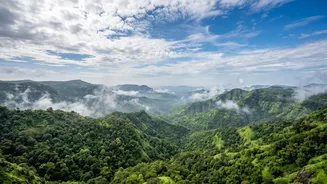
September is a secret weapon for savvy travellers in India. It’s the ‘shoulder season’—that magical window between the peak monsoon and the crowded, expensive high season that starts in October. Across much of the country, the rains have subsided, leaving landscapes incredibly lush and green, waterfalls at their peak, and temperatures becoming pleasant for sightseeing. The biggest advantage is the lack of crowds. Imagine exploring the forts of Rajasthan or the temples of Tamil Nadu without the usual throngs of tourists. This peace allows for a more authentic experience and more meaningful interactions with locals. Fewer tourists also means less pressure on hotels and airlines, often resulting in more reasonable prices without needing to hunt for last-minute, restrictive discounts.
Seek Experiences Over Sightseeing
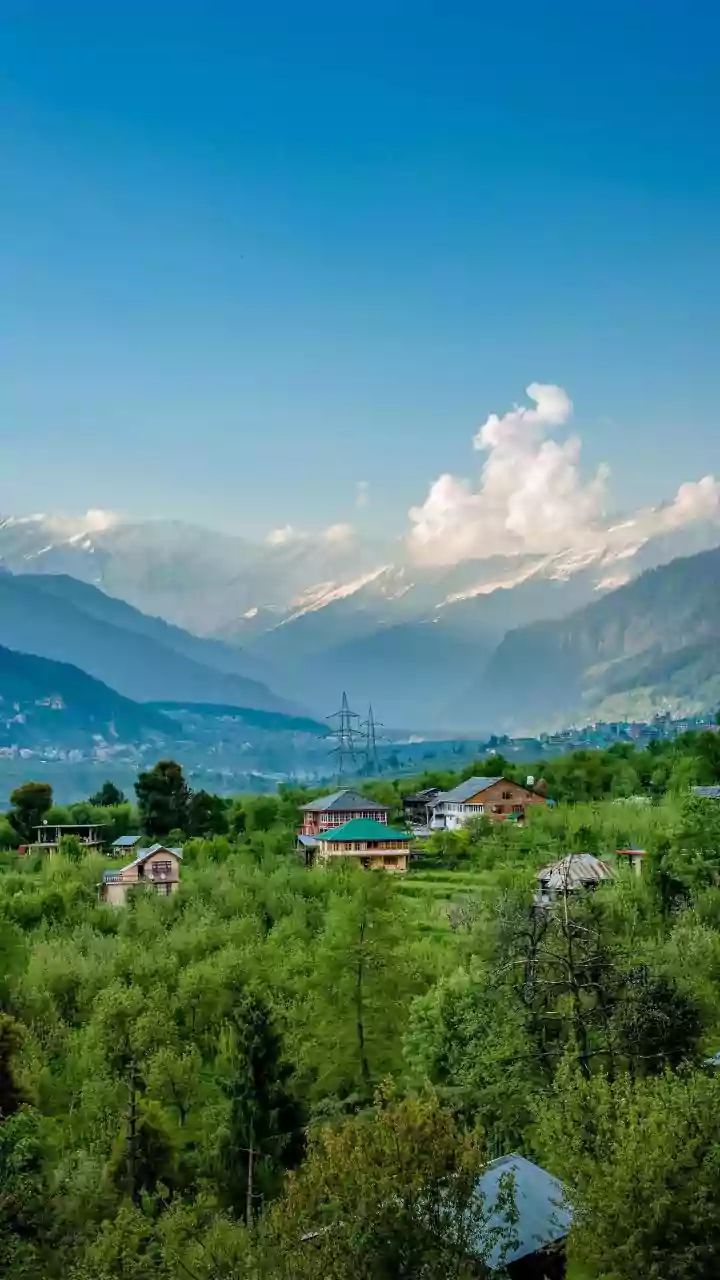
A value-based trip prioritises doing over just seeing. Instead of a packed itinerary of monuments, think about immersive activities. September is an ideal time for this. For nature lovers, it's the last chance to see the Valley of Flowers in Uttarakhand before it closes for the year or to witness the Kaas Plateau in Maharashtra in full bloom. In Rajasthan, the post-monsoon greenery transforms places like Bundi into a lush paradise, perfect for exploring its overflowing stepwells. Consider a stay at a tea or coffee plantation in Coorg or Munnar, where the air is fresh and the scenery is spectacular. In Spiti Valley, September offers clear skies and accessible roads before winter sets in, perfect for visiting ancient monasteries. These experiences offer a deeper connection to a place than simply taking a photo and moving on.
Adopt a Slower Pace of Travel
The pressure to ‘see it all’ is the enemy of value. Rushing between multiple cities in a week racks up transportation costs, creates stress, and leaves you with only a superficial understanding of each place. Slow travel—spending more time in one or two locations—is a powerful strategy for increasing value. You’ll save on transit, for one. But more importantly, you’ll have the time to discover hidden gems, build a rapport with local shopkeepers, find the best neighbourhood chai stall, and truly settle into the rhythm of a place. It allows for spontaneity, whether it's joining a local festival you stumble upon or spending an entire afternoon reading in a quiet cafe. This deeper immersion creates the lasting memories that are the true return on your travel investment.
Book Smarter, Not Cheaper
Building a holiday around value doesn't mean ignoring costs. It means making smart financial decisions that support your travel goals. For instance, a slightly more expensive hotel in a central location can save you significant time and money on daily transport. Instead of relying solely on large booking aggregators, consider contacting smaller, independent guesthouses or homestays directly. You may find better rates and will almost certainly get more personalised service and local advice. When looking at flights, be flexible. Flying mid-week is often cheaper than on weekends. Ultimately, a value-driven approach means you might sometimes pay more for one component (like a direct flight or a unique guided tour) because it delivers a disproportionately high return in comfort, experience, or peace of mind.