





The Monsoon's Role in Your Kitchen
India's agricultural sector, which employs nearly half the population, is heavily dependent on the southwest monsoon. These summer rains are crucial for the Kharif sowing season, which includes essential crops like rice, pulses, maize, and cotton. A strong,
timely monsoon replenishes reservoirs, ensures adequate soil moisture for winter crops (Rabi season), and generally supports a healthy agricultural output for the entire year. This direct link between rainfall and farm production means that the fate of the monsoon is intricately tied to the availability and price of the food that lands on our tables.
Too Much or Too Little: A Double-Edged Sword
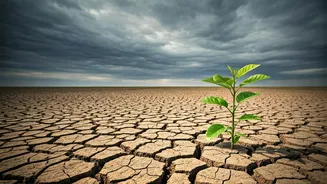
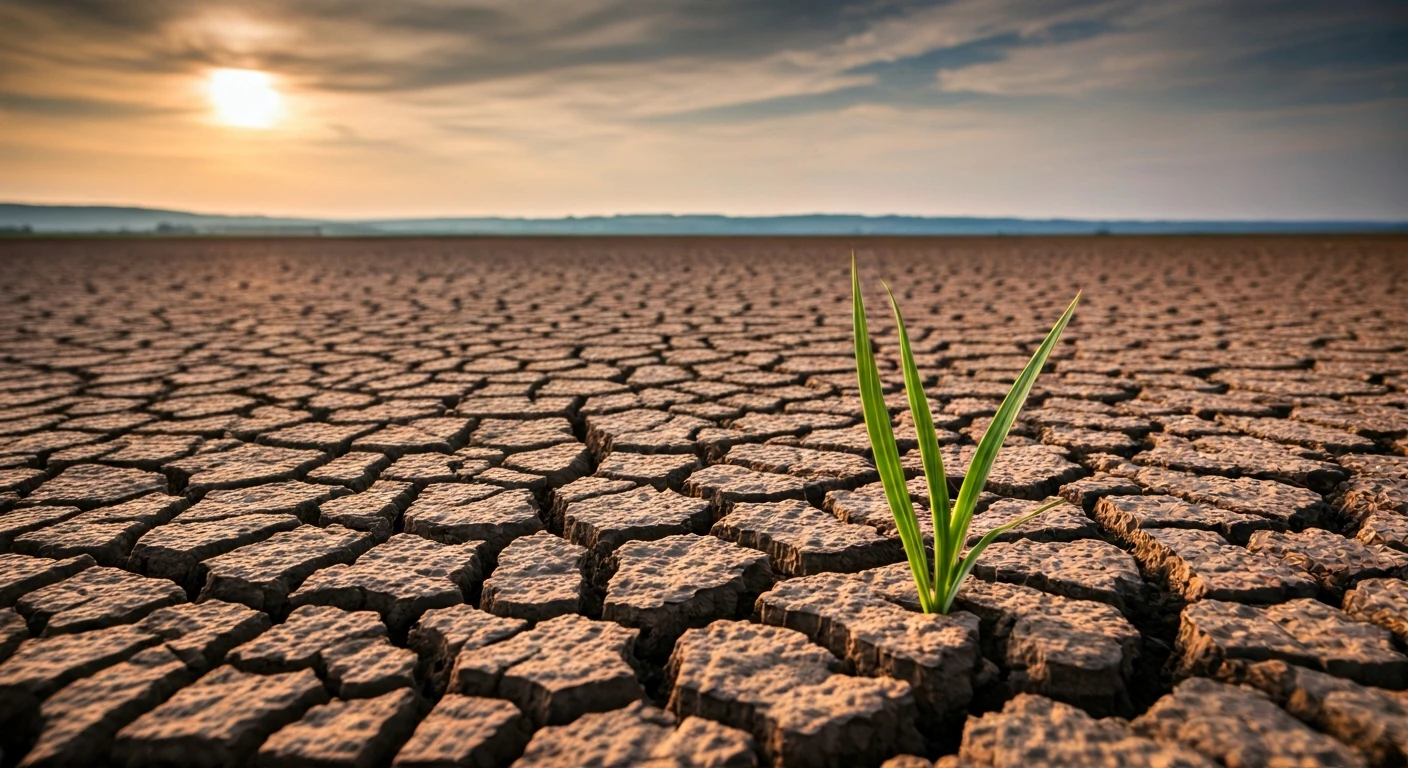
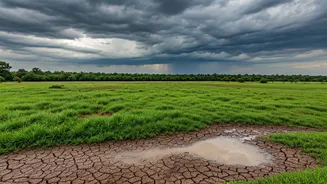
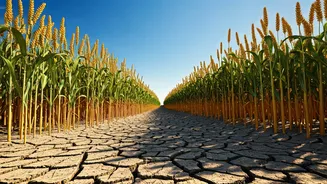
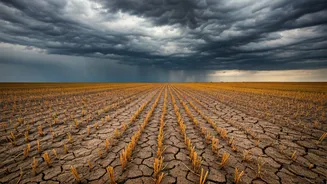
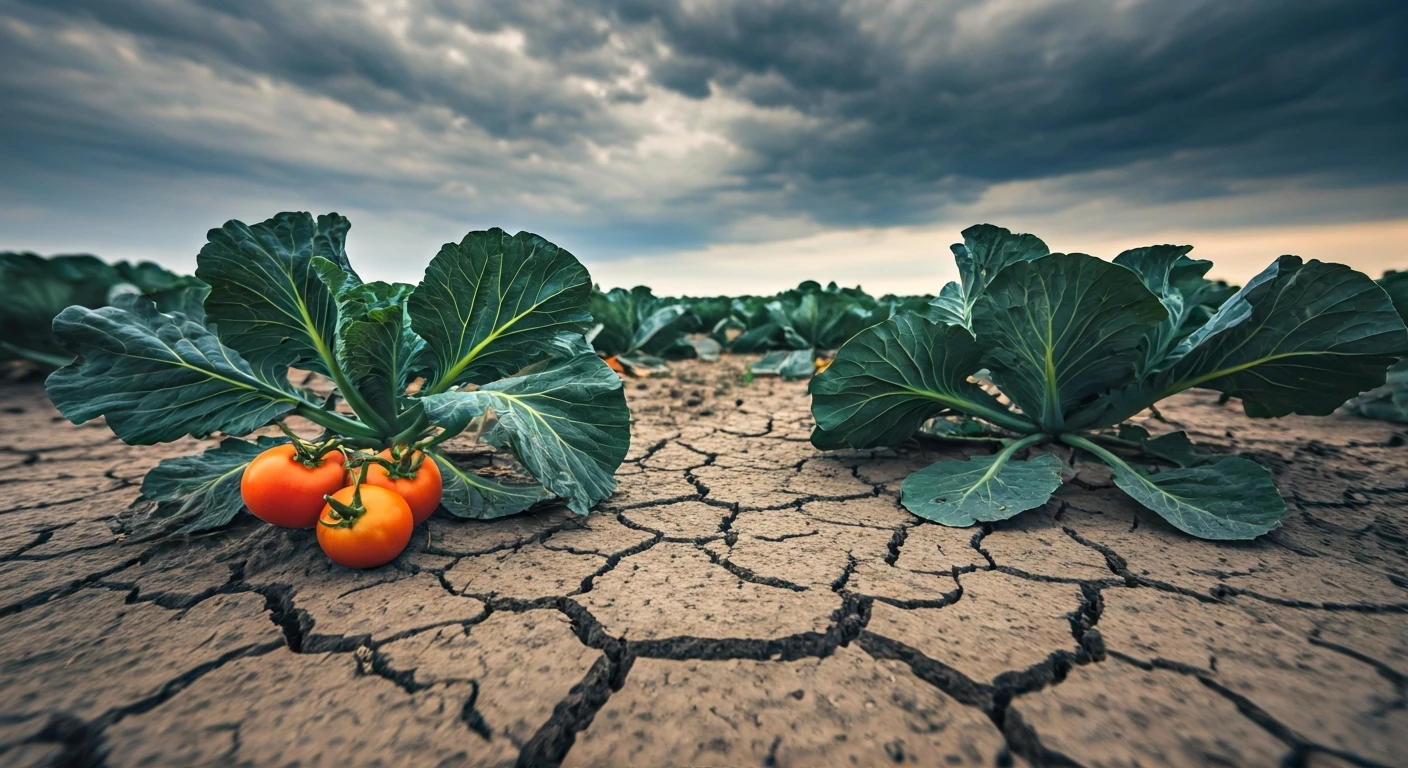
The problem isn't just a lack of rain; it's the increasing unpredictability. Climate change is leading to more erratic weather, from delayed monsoons and long dry spells to intense downpours in short periods. Deficient rainfall can lead to drought-like conditions, reducing the area under cultivation and stunting crop growth. Conversely, excessive rain can cause flooding, which damages standing crops and waterlogs fields, especially affecting maize and oilseeds. This volatility disrupts the entire farming cycle, often leading to lower yields and creating supply shortages.
Which Groceries Will Be Affected Most?
While staples like rice and wheat are somewhat shielded by extensive irrigation and large government buffer stocks, other daily essentials are far more vulnerable. Vegetables, particularly the politically sensitive onions and tomatoes, are highly susceptible to price shocks from erratic weather. Pulses (like tur, urad, and moong dal) and oilseeds also remain heavily rain-dependent, with limited irrigation coverage making them prone to sharp price increases when the monsoon is weak or poorly distributed. These items form a significant part of the average Indian household's consumption basket, meaning even small supply disruptions can be felt quickly.
The Direct Path to Higher Prices
The economic logic is straightforward: when crop yields fall due to poor weather, supply shrinks. If demand remains steady, prices inevitably rise. This is the core of food inflation. Food and beverages account for a substantial portion—roughly 46%—of India's Consumer Price Index (CPI), the key measure of retail inflation. Therefore, a spike in the prices of vegetables and pulses has an outsized impact on the country's overall inflation rate and the budget of every household. Recent trends show that weak monsoons and heatwaves are already driving more persistent food inflation.
Can the Price Rise Be Controlled?
While the weather is uncontrollable, governments and the Reserve Bank of India are not helpless. To cushion the impact, authorities can deploy several measures. These include releasing buffer stocks of grains and pulses into the open market, placing limits on how much stock traders can hold to prevent hoarding, and temporarily reducing import duties or banning exports of essential commodities to increase domestic availability. Initiatives like 'Operation Greens' specifically aim to stabilize the supply of tomatoes, onions, and potatoes. However, these are often short-term fixes. Long-term solutions involve investing in climate-resilient agriculture, expanding irrigation networks, and improving supply chain infrastructure to reduce wastage.