





The End of the Hectic Holiday
Remember the classic weekend getaway? It often involved waking up at dawn, enduring a long journey, and then racing through a packed itinerary to 'make the most' of 48 hours. The result was often returning home more exhausted than when you departed, a phenomenon
known as travel burnout. This cycle of stressful travel is losing its appeal. A growing number of travellers in India are embracing a different approach: shorter trips to destinations closer to home, with the primary goal being not to see everything, but to feel something—specifically, a sense of peace and rejuvenation. This shift prioritises quality of rest over quantity of activities. It’s about reclaiming the weekend for its original purpose: to recharge your batteries, not drain them further.
Why Slower is Suddenly Better
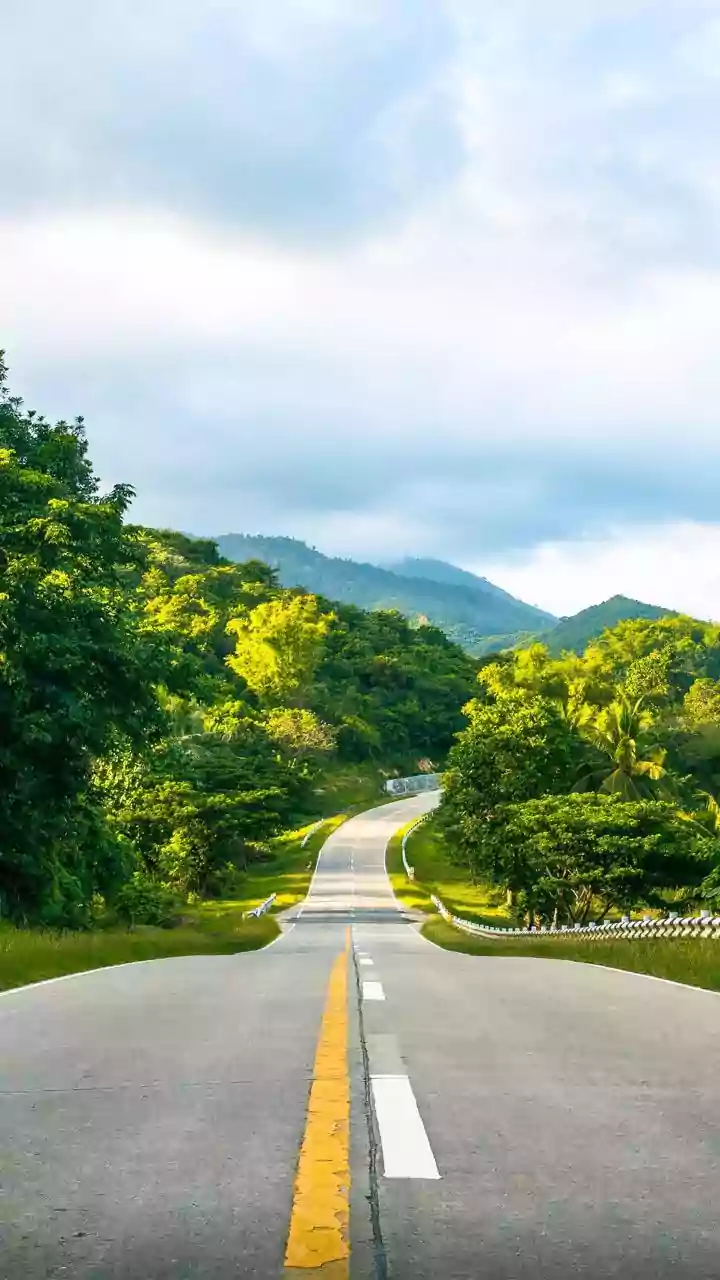
Several factors are driving this change in mindset. Post-pandemic life has left many with a lingering sense of burnout, increasing the desire for truly restorative breaks. People are realising that constant motion and decision-making, even on a short holiday, can be mentally taxing. There's also a practical element. With rising costs, shorter trips, often called "micro-cations," are more budget-friendly. They reduce travel time and expenses, allowing for a more comfortable or even luxurious experience within a smaller radius. In India, this has translated into a boom in road trips and a preference for secluded getaways, boutique resorts, and homestays over crowded tourist hotspots. This conscious choice to slow down is about finding magic in simplicity and reducing the mental load of a complicated itinerary.
The Real Benefits of a True Break
The advantages of this approach extend far beyond just feeling less tired. Psychologically, giving yourself permission to do less on vacation can significantly lower stress and anxiety. When you aren't rushing, you're more present and mindful, allowing you to form a deeper connection with your surroundings, whether it’s a quiet beach, a forest trail, or a charming local cafe. Studies have shown that spending quality time in nature, a common feature of these restful trips, improves cognitive function, enhances sleep, and reduces feelings of anger and fatigue. This intentional downtime helps reset your mental and physical state, meaning you return to your daily life not just with memories, but with renewed energy and focus. It’s the difference between needing a vacation from your vacation and having a vacation that actually works.
How to Plan Your Restorative Escape
Adopting this mindset is simple. First, choose a destination that is relatively easy to reach—ideally within a three to four-hour drive. This minimizes transit stress and maximizes your time at the location. Next, resist the urge to overschedule. Instead of a checklist of sights, set an intention for how you want to feel. If the goal is relaxation, plan for just one main activity per day, leaving plenty of room for spontaneous discoveries or simply doing nothing at all. Consider a digital detox by turning off notifications to fully unplug. Packing should also be simple; bring comfortable clothes, a good book, and anything that helps you feel at ease. The key is to remove pressure and obligation from the experience.
Reclaiming Your Weekend, One Short Trip at a Time
This travel philosophy can be applied anywhere. For city dwellers, it might mean a weekend at a quiet heritage property just outside the city limits, or exploring a nearby town you’ve always overlooked. For those seeking nature, it could be a stay at a plantation retreat, a cabin in the hills, or a quiet coastal village. The post-pandemic travel landscape in India has seen a surge in interest in these off-the-beaten-path destinations that offer peace and exclusivity. The focus is less on the destination itself and more on the experience it facilitates: slow mornings, leisurely meals, and reconnecting with yourself or your loved ones. By choosing shorter trips that lead to longer rest, you’re not just taking a break—you’re investing in your well-being.