









What Exactly Is a Career Portfolio?
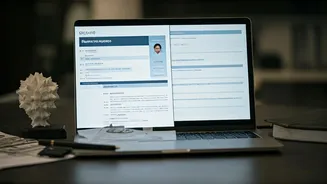
Forget the image of a leather-bound artist’s case. Today, a career portfolio is a curated collection of your work that proves your skills and accomplishments. [1, 3] It’s a living document that goes beyond the bullet points on your resume to provide tangible
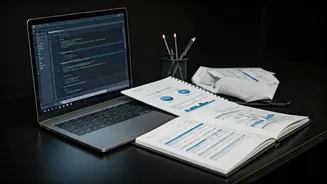
evidence of your capabilities. [2, 15] For a developer, this could be a link to a GitHub repository. For a marketer, it might be a case study on a successful campaign, complete with data. [15] For a project manager, it could be a detailed plan or a post-project analysis. The goal is to create a comprehensive picture of your value, showcasing not just what you've done, but how well you've done it. [4, 5]
Why Your Resume Is No Longer Enough
The job market is more competitive than ever, driven by technological shifts, the rise of the gig economy, and evolving industry demands. [6, 11] Employers are looking for candidates who can hit the ground running, and a resume often fails to convey practical abilities. It lists experiences, but a portfolio demonstrates them. [12, 13] Saying you increased engagement by 40% is one thing; showing the campaign, the strategy, and the analytics that prove it is far more powerful. [15] In a world where AI can screen resumes in seconds, a portfolio with real-world projects provides the human context and proof of skill that sets you apart. [14, 2]
The Forces Driving the Portfolio Revolution
Several factors have made portfolios essential for career survival. The gig economy has turned many professionals into businesses of one, where a portfolio acts as a marketing tool to land the next project. [2, 20] The rapid pace of technological change, including AI and automation, means skills need constant updating. A portfolio can showcase a commitment to lifelong learning and adaptability. [6, 17] Furthermore, as remote work becomes more common, a digital portfolio is the perfect way to present your work to potential employers anywhere in the world, making your credentials easily accessible. [22]
How to Build Your Career Survival Kit
Starting a portfolio can feel daunting, but it’s a straightforward process. First, choose a platform. This could be a personal website (using tools like Wix or Squarespace), a specialized portfolio site, or even a professional network like LinkedIn. [9, 16] Next, gather your evidence. Collect examples of your best work, including projects, presentations, reports, code, or designs. Don’t worry if you're just starting out; you can include school projects, volunteer work, or even personal projects. [3] Finally, curate and add context. Select 4-10 of your strongest pieces. [15] For each item, write a short description explaining the project's goal, your specific role, the skills you used, and the outcome. [3] This narrative is what turns a collection of files into a compelling career story. [4]
What Goes Inside? It's Not Just for Creatives
While portfolios have long been standard in creative fields, they are now invaluable across all industries. [5, 8] An HR professional can include a presentation on a new employee onboarding process they designed. [5] A finance professional might showcase a financial model they built (with sensitive data anonymized). A teacher could include lesson plans and examples of student work. The key is to think creatively about how to visualize your accomplishments. Testimonials, certifications, and awards are also powerful additions that build credibility and trust. [9, 16]