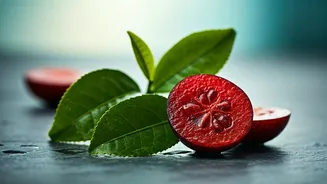









The Coastal Gem: What Is Kokum?
Before it becomes your new favourite drink, let’s get acquainted with kokum. Scientifically known as Garcinia indica, kokum is a fruit native to the Western Ghats of India, particularly along the Konkan coast. While the fresh fruit is a treat, it's the dried,
dark purple rind—often called 'amsul' or 'solkadhi'—that is a staple in Maharashtrian, Goan, and Gujarati kitchens. It imparts a unique tangy and slightly sweet flavour that’s impossible to replicate. But kokum is more than just a souring agent. For centuries, Ayurveda has celebrated it for its potent cooling properties, making it a go-to remedy for heat-related ailments. It’s also traditionally used as a digestive aid, helping to soothe acidity and improve gut health. The active compounds, including garcinol and hydroxycitric acid (HCA), are powerful antioxidants that fight cellular damage.
Green Tea’s Enduring Appeal
Green tea needs little introduction. It’s one of the most consumed beverages in the world, lauded for its impressive health profile. Unlike black tea, green tea leaves are not fermented, which preserves a high concentration of powerful antioxidants called catechins. The most famous of these is epigallocatechin gallate (EGCG), known for its role in reducing inflammation and protecting against chronic diseases. But for a 'midnight refreshment', another compound is key: L-theanine. This amino acid has a calming effect on the brain, promoting relaxation and reducing stress without causing drowsiness. This is why a cup of green tea can feel both gently energising and soothing at the same time, making it an ideal base for an evening drink.
A Powerhouse Pairing for Night-Time
When you infuse kokum into green tea, you’re creating a synergy that’s greater than the sum of its parts. The tangy, cooling nature of kokum beautifully complements the earthy, slightly bitter notes of green tea. The combination creates a drink that is profoundly refreshing and balanced. From a wellness perspective, this pairing is a winner. Kokum’s digestive benefits make it an excellent choice after dinner, helping to prevent the feeling of heaviness as you wind down. Both ingredients are loaded with antioxidants, working together to combat the oxidative stress your body accumulates throughout the day. Furthermore, the L-theanine in the green tea promotes a state of calm alertness, perfect for late-night reading, working on a project, or simply relaxing before bed without the stimulating buzz of coffee or strong black tea.
Crafting Your Midnight Refresher
Making this drink is wonderfully simple. The term 'raw kokum extract' simply refers to the liquid infused with the fruit's natural properties, which you can easily make at home. Here’s how: 1. **Prepare the Kokum Extract:** Take 4-5 pieces of dried kokum (amsul). Rinse them quickly under water. Soak them in about 1/2 cup of warm water for 20-30 minutes. You’ll see the water turn a beautiful pinkish-purple. After soaking, gently mash the peels with your fingers to release more juice. 2. **Brew the Green Tea:** While the kokum is soaking, brew your green tea. Use one green tea bag or one teaspoon of loose leaves per cup. Be careful not to use boiling water, as it can make the tea bitter. Heat water to about 80°C (just before it comes to a rolling boil) and steep the tea for 2-3 minutes. 3. **Combine and Serve:** Strain the kokum water directly into your brewed green tea. You can adjust the amount of kokum extract depending on how tangy you like it. The drink is delicious as is, but you can customise it. For a touch of sweetness, add a tiny drop of honey. For a savoury twist, a pinch of black salt (kala namak) or roasted cumin powder works wonders.
More Than Just a Hydrating Drink
Incorporating this kokum green tea into your nightly routine is a small act of self-care. It’s a fantastic, low-calorie alternative to sugary cordials or sodas. Some studies suggest that the HCA in kokum may help promote feelings of satiety, which can be useful in curbing late-night snack cravings. Its role as a digestive soother means you’re less likely to be kept awake by indigestion or acidity. More importantly, the ritual of preparing and sipping this warm, aromatic beverage can be a mindful practice. It signals to your body and mind that it's time to slow down, disconnect from the day's stresses, and prepare for a restful night. It’s a simple, traditional secret for modern-day wellness.