





Why We're All Looking Up
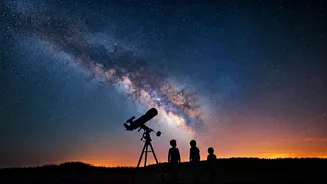
In an age of digital saturation, families are actively seeking screen-free activities that foster genuine connection. Stargazing fits the bill perfectly. It's an experience that’s simultaneously educational and awe-inspiring, pulling us out of our daily
routines and into the vastness of the universe. The pandemic accelerated this shift, pushing people toward outdoor hobbies that could be done safely and locally. This renewed interest isn't just anecdotal; parks designated as 'Dark Sky Places' are seeing a surge in visitors, and amateur astronomy clubs report growing membership. It’s a quiet rebellion against the constant glow of our devices, trading blue light for starlight and creating shared memories that last far longer than a trending video.
Start with Just Your Eyes
The biggest misconception about stargazing is that it requires a powerful, expensive telescope. That’s simply not true. The best starter kit is free: your own eyes. On a clear, dark night, you can see planets, constellations, meteor showers, and even the Andromeda Galaxy. The next step up isn't a telescope—it's a good pair of binoculars. A standard 7x50 or 10x50 pair can reveal the craters on the Moon, the four largest moons of Jupiter, and the fuzzy glow of distant star clusters. For identifying what you're seeing, your smartphone becomes an invaluable tool. Apps like SkyView, Star Walk 2, or Stellarium use your phone's GPS and compass to create a real-time map of the sky. Just point your phone up, and the app will name the stars, planets, and constellations you’re looking at.
Know What to Look For
The night sky can feel overwhelming at first, so start with the basics. Begin by finding the North Star, Polaris, which is the only star that stays fixed in the sky. You can locate it using the two 'pointer stars' on the outer edge of the Big Dipper’s bowl. From there, learn to spot a few key constellations that change with the seasons. Orion the Hunter dominates the winter sky, while the Summer Triangle (made of the bright stars Vega, Deneb, and Altair) is a hallmark of warmer months. Planets are another easy and rewarding target. They don't twinkle like stars do; they shine with a steady light. Venus is often the brightest 'star' in the evening or morning, while Jupiter and Saturn are famously bright and easy to spot when they are visible. A quick search for 'planets visible tonight' will tell you what to look for.
Escape the City Glow
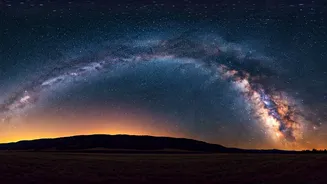
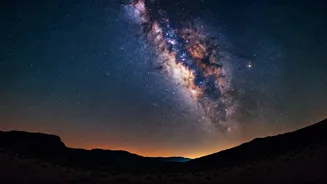
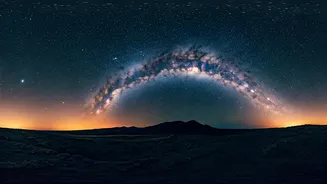
The biggest enemy of a good stargazing session is light pollution. The glow from cities and suburbs can wash out all but the brightest stars. While your backyard is a great place to start, making a short trip to a darker location can make a world of difference. Even a local county park, a sports field with the lights off, or the edge of town can significantly improve your view. For a truly spectacular experience, consider visiting a certified 'Dark Sky Park.' The International Dark-Sky Association (IDA) has designated numerous parks across the country that are protected for their exceptional starry nights. These destinations, from national parks like Big Bend in Texas to state parks like Cherry Springs in Pennsylvania, offer an unforgettable view of the Milky Way in all its glory. It’s a road trip with a cosmic destination.
Make It a Family Ritual
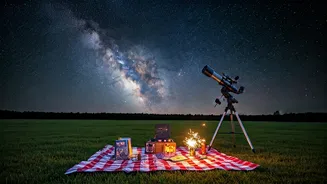
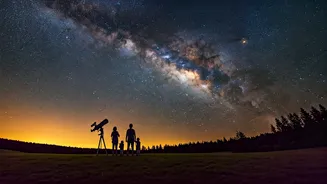
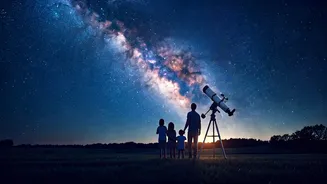
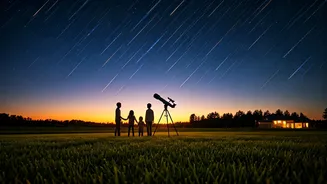
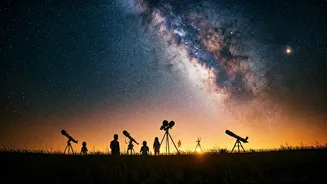
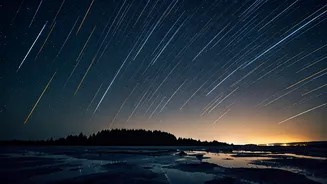
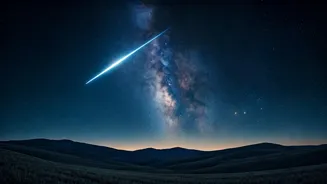
Turning stargazing from a one-time event into a cherished family tradition is about making it fun and comfortable. Pack blankets, reclining camp chairs, and a thermos of hot chocolate. Instead of a formal lesson, tell stories. Share the Greek myths behind the constellations or invent your own. Encourage kids to keep a 'stargazing journal,' where they can draw what they saw, from the shape of the moon to a newly identified constellation. Plan your outings around celestial events like the Perseid meteor shower in August or a lunar eclipse. By building a simple, cozy ritual around the activity, you’re not just teaching astronomy; you’re creating a space for quiet conversation and shared wonder under the vast, open sky.