
The Rise of 'Detourism'
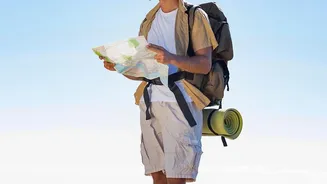
One of the biggest shifts predicted for next year is the move away from tourist-heavy hotspots. Instead of heading straight for the most famous sights, travellers are choosing to explore lesser-known neighbourhoods and attractions. This trend, dubbed
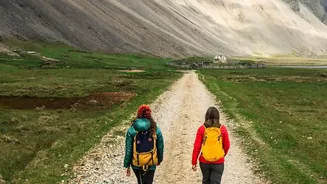
'detourism', is about swapping the crowded main square for a quiet side street or a local market. According to recent travel reports, a majority of travellers say they are more likely now than five years ago to deliberately seek out these less-travelled paths. The goal isn't to avoid famous places entirely, but to experience a destination's authentic culture beyond the postcard views, leading to a more immersive and personal journey.
Hobby Holidays and Skill-Building
A vacation is no longer just a break from work; it's becoming an opportunity for personal enrichment. The concept of a 'hobby holiday' is gaining serious traction, with people planning trips specifically to learn a new skill or indulge a passion. This could mean attending a week-long fermentation workshop to master the art of kimchi or kombucha, joining a beekeeping course, or participating in a perfume-making class to create a scent that captures the memory of a place. These hands-on experiences offer a deeper connection to a destination's culture and traditions, providing a sense of accomplishment that lasts long after returning home.
Wellness Beyond the Spa
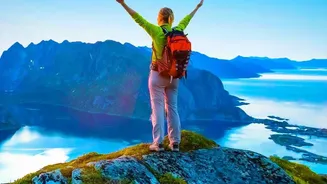
Wellness travel is evolving far beyond massages and luxury spas. For 2027, the focus is on a more holistic approach that integrates mental and physical well-being with nature. This translates to 'coolcations' in temperate climates like Scandinavia or Alaska to escape rising summer heat, and a growing interest in 'rain tourism'—embracing a destination's wet, green season for a different kind of beauty and solitude. The simple act of being in nature is seen as essential, with a vast majority of travellers citing fresh air and time outdoors as crucial for relaxation. These trips prioritise disconnecting from digital life and reconnecting with oneself.
Set-Jetting: Inspired by the Screen
In the age of streaming, it's no surprise that what we watch is influencing where we go. 'Set-jetting'—travelling to destinations featured in popular movies and TV shows—has become a major source of travel inspiration. After seeing stunning landscapes in shows like 'The White Lotus' or 'Game of Thrones', viewers are motivated to experience these places for themselves. Travel companies report that a significant number of Gen Z and Millennial travellers are planning trips based on their favourite on-screen locations. This trend adds a layer of narrative and emotional connection to an itinerary, turning a simple vacation into an adventure in a world you already love.
Slow and Micro Travel
The way we pace our travels is also changing, with two opposite but related trends emerging: slow travel and micro-travel. On one hand, there's a movement towards the 'anti-optimised holiday', which involves staying in one place longer to absorb the local culture without a packed itinerary. On the other hand, 'trip snacking' or taking shorter, more frequent 'micro-trips' of just one or two nights is becoming increasingly popular. These mini-breaks are easier to plan and fit into busy schedules, allowing for spontaneous escapes to celebrate a milestone or simply hit the reset button. Both trends reflect a desire for more flexibility and a move away from the pressure of the 'perfect' trip.