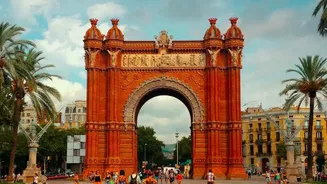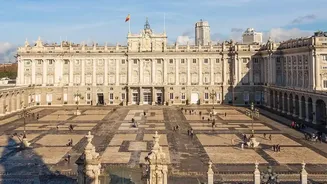







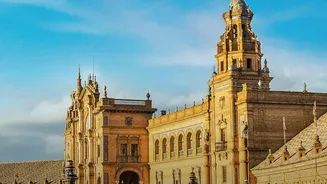
The dream of a Spanish holiday—sun-drenched plazas, architectural marvels, and vibrant culture—is alive and well. But for many travellers, the reality now includes frustratingly long queues and ticket prices that induce sticker shock.
The Price of Genius in Barcelona
Nowhere is the issue
more apparent than at Barcelona's iconic Sagrada Familia. In 2026, visiting Gaudí's unfinished masterpiece has become a significant investment. Basic entry tickets purchased from the official website start at €26, with third-party vendors often charging upwards of €33 for the same access. If you wish to ascend one of the famous towers for a panoramic view of the city, the price climbs to around €40. These figures don't just reflect high demand; they are part of a broader trend. The city, grappling with what many call 'overtourism', is actively trying to manage visitor numbers, and pricing is a key lever. For tourists, this means the era of spontaneous visits is over. Tickets must be booked online, often weeks or even months in advance, as no tickets are sold on-site.
The Alhambra's Strict Schedule
In Andalusia, the story is similar, but with an even greater emphasis on time. Granada's Alhambra, a breathtaking palace complex and Spain's most-visited monument, operates with military precision. A general admission ticket, which includes the coveted Nasrid Palaces, costs around €22.27 for 2026. The critical detail, however, is the timed entry slot for the Nasrid Palaces, which is strictly enforced within a 30-minute window. Miss it, and you will not be allowed in. These slots sell out notoriously fast, sometimes weeks or months ahead during peak seasons. This system is necessary to preserve the delicate stucco work and manage the flow of nearly 2.7 million visitors annually, but it leaves little room for flexibility in a holiday itinerary. Tourists arriving without pre-booked tickets are almost always disappointed.
Why Is This Happening Now?
Several factors are converging to create this perfect storm of high prices and long waits. The global travel rebound has seen visitor numbers in Spain surge, with millions eager to explore its famous landmarks. This immense demand naturally allows attractions to increase prices. Furthermore, many venues have adopted 'dynamic pricing', a strategy long used by airlines where prices fluctuate based on demand, time of day, and how far in advance you book. This means last-minute plans are almost always more expensive. Some European attractions have also introduced 'dual pricing', charging non-EU visitors a higher rate, a trend that could influence others. Finally, there's the local pressure. Cities like Barcelona are actively trying to curb the negative impacts of mass tourism on residents by making it more expensive and regulated.
How to Plan a Smarter Spanish Trip
While the challenges are real, they don't have to ruin your trip. The key to a successful Spanish holiday in 2026 is planning. First and foremost, book tickets for must-see attractions like the Alhambra and Sagrada Familia the moment you know your travel dates, using official websites to get the best prices. Be wary of fraudulent third-party sites selling fake tickets. Consider visiting during the shoulder seasons (spring and autumn) when crowds are smaller. Look for city_specific tourist cards, which can sometimes offer bundled entry and savings. Finally, embrace the less_famous sites. Spain is filled with incredible castles, museums, and natural parks that don't require months of advance planning. Exploring a lesser_known destination can often lead to a more authentic and relaxed experience.