





The 30-Day Rule Explained
In a recent update on July 14, 2026, the Thai government confirmed it will continue to offer visa-free entry to Indian passport holders. However, the maximum stay has been adjusted. Previously, a temporary 60-day visa exemption was in effect, but this
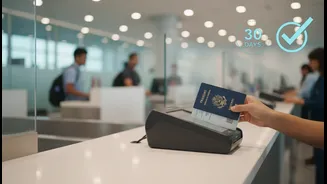
has now been standardized to 30 days. This change was made to align with the typical travel patterns of most tourists. The decision came after a period of uncertainty in May 2026 caused a dip in arrivals from India, a key tourism market for Thailand. This 30-day stamp is granted upon arrival, meaning you do not need to apply for a visa beforehand for short tourist trips.
Your Essential Document Checklist
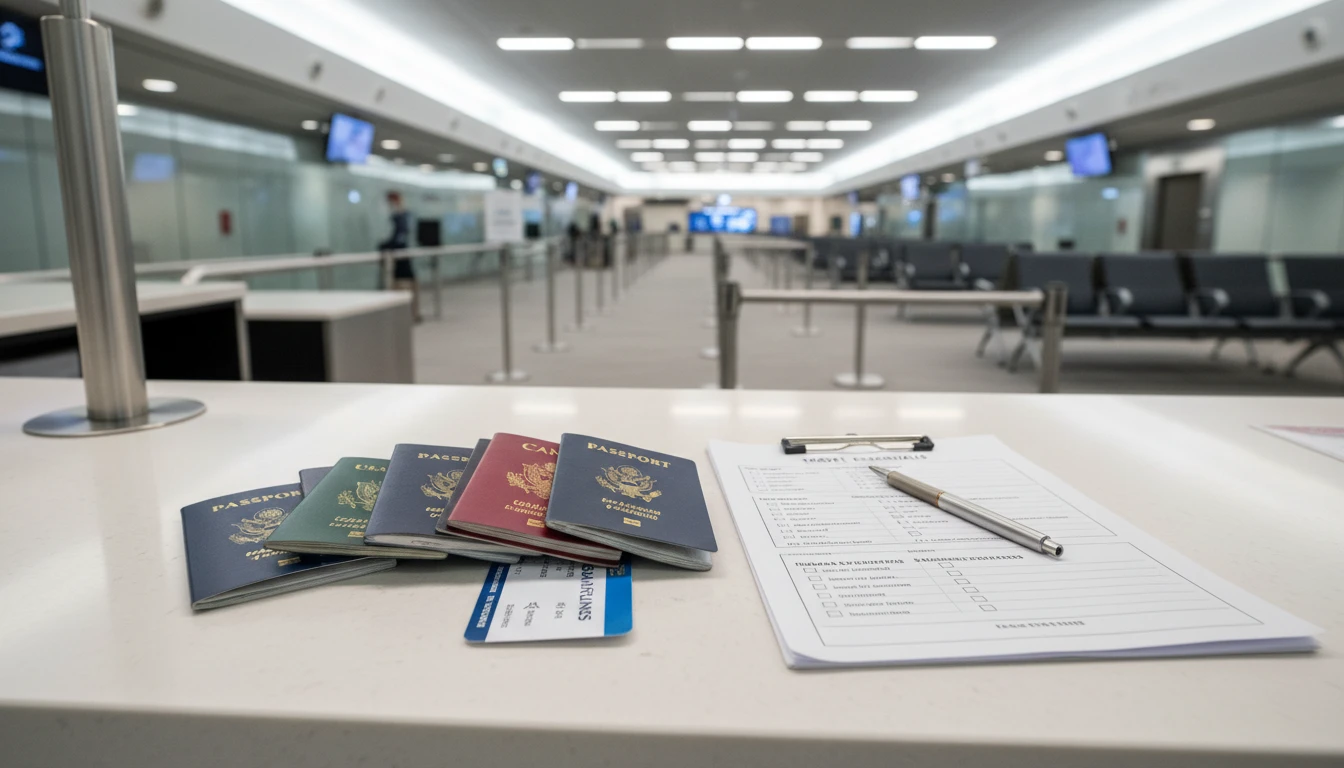
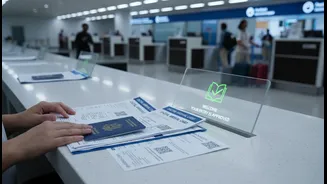
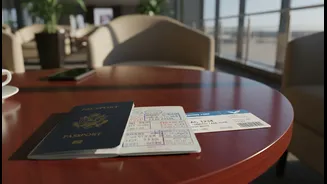
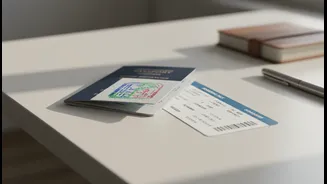
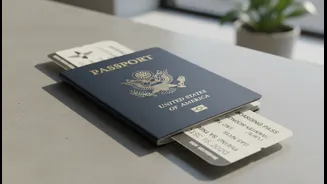
While you don't need a pre-arranged visa, you do need to have your documents in order. Immigration officers can ask for any of these, so it's best to be prepared. First, your passport must be valid for at least six months from your date of entry into Thailand. You will also need proof of a confirmed return or onward flight ticket showing you intend to leave within the 30-day period. Finally, have proof of your accommodation, such as hotel booking confirmations for your stay. Having these ready will make the immigration process much quicker.
The New Digital Arrival Card (TDAC)
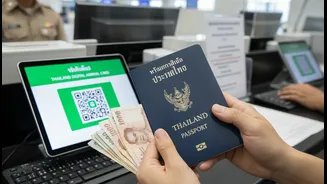
The old paper TM6 arrival and departure card has been officially replaced by the Thailand Digital Arrival Card (TDAC). All foreign travellers must complete this online form before arriving. You can fill it out within 72 hours of your flight. The process is free on the official immigration portal. After submitting your details, you will receive a QR code. Keep this QR code saved on your phone, as you will need to show it at the immigration counter. Be wary of unofficial websites that try to charge a fee for this service.
Demystifying 'Proof of Funds'
This is a requirement that often causes confusion. Thai authorities require visitors to have sufficient funds to cover their stay. The official guideline is a minimum of 10,000 to 20,000 THB per person, or 20,000 to 40,000 THB per family. While not every tourist is asked to show this, immigration officers have the right to request proof at their discretion. Recent advisories suggest enforcement is becoming stricter. It's recommended to carry a combination of cash, a forex card, or have a bank statement ready. Having this on hand can prevent any potential issues or delays at the border.
What to Expect at the Border
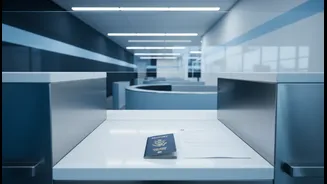
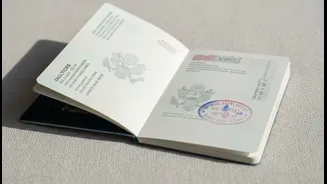
Upon landing at airports like Suvarnabhumi (BKK) in Bangkok, you will proceed to the immigration counters. Have your passport, boarding pass, and TDAC QR code ready. The immigration officer will scan your documents, take a photo, and if everything is in order, stamp your passport with the date of entry and the “permitted to stay until” date. Always check this stamp before walking away to ensure the date is correct. This date is your legal deadline to leave Thailand. With authorities cracking down on illegal overstays and misuse of visas, sticking to the rules is more important than ever.
Need to Stay Longer?
If you fall in love with Thailand and 30 days isn't enough, you may be able to extend your stay. This typically requires a visit to a local immigration office before your current permission expires. You can usually apply for a 30-day extension for a fee of 1,900 THB. This is a formal process that requires filling out an application (the TM.7 form) and providing a passport photo. Do not simply overstay your visa, as this leads to daily fines, and potentially detention, deportation, and a ban from re-entering Thailand.