



The Joy of a Journey on Foot
In an era of fast-paced travel, there is a unique pleasure in slowing down. The idea of exploring a new place without relying on cars or public transport holds a special appeal. Sweden’s historic towns, with their origins in the medieval period, were
built for people, not vehicles. Their centres are often a dense collection of cobblestone lanes, market squares, and ancient buildings, all contained within a walkable radius. This design makes them perfect for modern travellers seeking an immersive and low-stress sightseeing experience. Instead of navigating traffic, you can wander from a centuries-old church to a quiet cafe, all while soaking in the atmosphere of a place where time seems to move a little differently. These towns invite you to get enjoyably lost, knowing that everything you want to see is likely just around the next charming corner.
Visby: A Walled City by the Sea
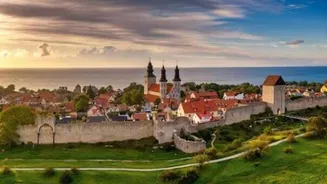
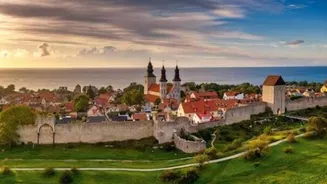
On the island of Gotland, the UNESCO World Heritage site of Visby is perhaps the ultimate example of a walkable medieval town. Encircled by a remarkably intact 3.4-kilometre-long stone wall from the 13th century, the entire old town is a pedestrian's paradise. You can start a walk at the leafy Almedalen park, once the town's bustling Hanseatic harbour, and enter the old town through an ancient gate. From there, winding cobblestone alleys, adorned with roses in summer, lead you past more than 200 preserved medieval buildings and the hauntingly beautiful ruins of several Gothic churches. The main square, Stora Torget, is a hub of restaurants and activity, while a short uphill walk brings you to the magnificent Sankta Maria Cathedral, the only medieval church in the city still in full use. A complete circuit of the town centre can be done in a couple of hours, but the density of history and charm invites a much slower pace.
Sigtuna: Where Sweden Began
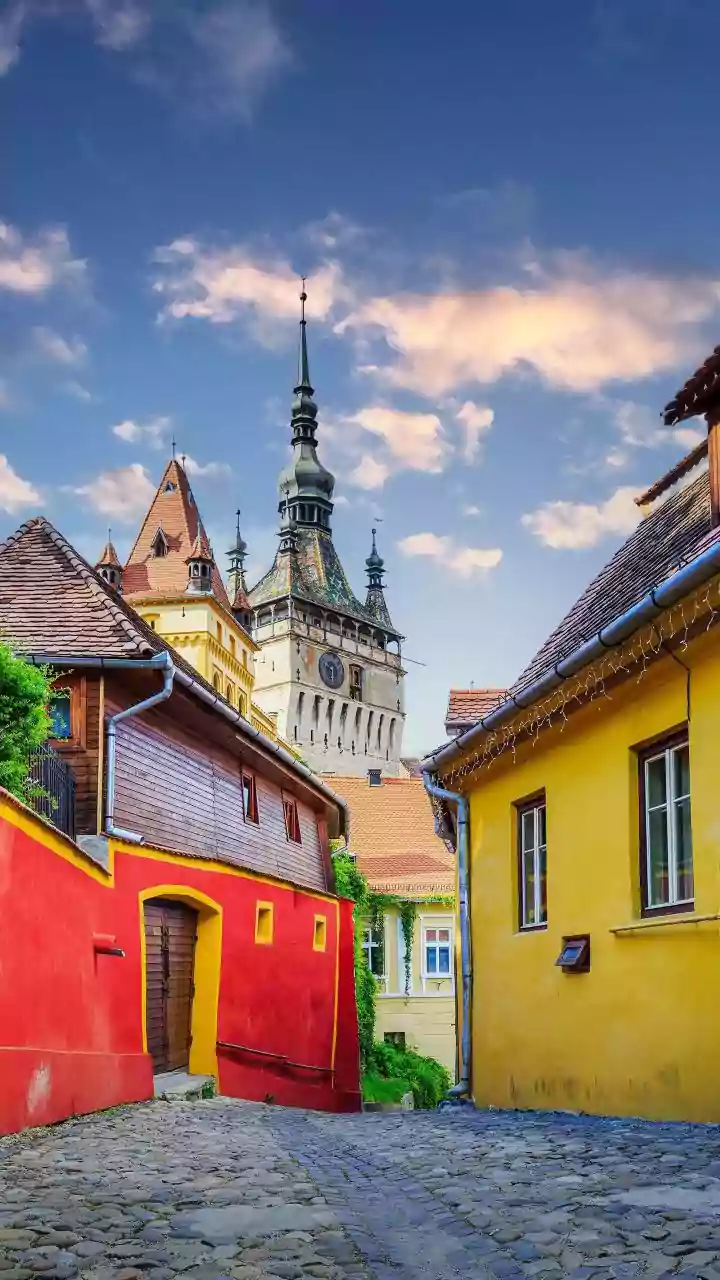
Often called Sweden's first town, Sigtuna was founded in the late 10th century on the shores of Lake Mälaren. Its historic heart is Stora Gatan, recognized as Sweden's oldest preserved street, which still follows its original Viking-era layout. A walk along this single street is a journey through Sweden's early history. The town is remarkably compact, allowing visitors to easily discover its famous runestones, some still in their original locations, and the striking ruins of 11th-century stone churches like Saint Peter's and Saint Olaf's. The entire town feels like a living museum, but one filled with inviting wooden houses, independent shops, and lakeside cafes. Its small size means you can cover the main historical sites in just a few hours, making it an ideal destination for a simple, focused day of exploration.
Lund: Academia and Ancient Alleys
In the southern region of Skåne, Lund offers a lively blend of youthful energy and deep history. Home to a prestigious university founded in 1666, the city's medieval core remains wonderfully walkable. The street plan within the old city limits is largely unchanged from over a thousand years ago. At its heart stands the monumental Lund Cathedral, a masterpiece of Romanesque architecture consecrated in 1145. From the cathedral, a network of cobblestone streets branches out, lined with a mix of colourful old houses and modern boutiques. The compact city centre makes it easy to stroll from the historic university buildings to the Kulturen open-air museum and peaceful botanical gardens, all without needing any form of transport other than your own two feet.
Ystad: Half-Timbered Charm on the Coast
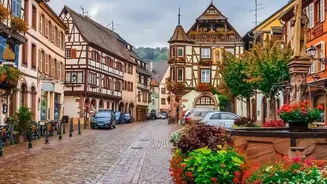
Also in Skåne, the coastal town of Ystad is another gem for walkers. Known to many as the setting for the 'Wallander' crime novels, its well-preserved town centre is a delightful maze of half-timbered houses and cobbled lanes. The main sights are all clustered together, making for an easy and atmospheric tour. You can start at the 13th-century Greyfriars Abbey, one of the best-preserved medieval monasteries in Sweden, and wander through streets like Lilla Västergatan with its colourful historic homes. From the lively main square, Stortorget, it's just a short walk to St. Mary's Church or down to the harbour. Ystad proves that even a functioning port town can retain a historic core that feels like stepping into a storybook, best appreciated at a leisurely walking pace.