


A Return to Roots
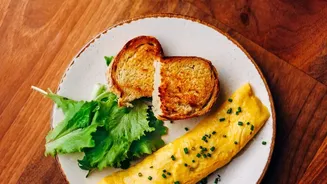
For years, the morning rush in many Indian households meant a quick bowl of cereal or toast. These convenient options, born from Western food culture, seemed to fit fast-paced urban lifestyles. However, a shift is underway. A growing number of young adults
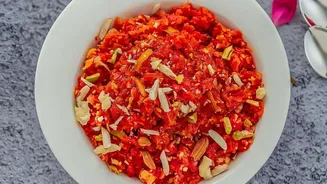
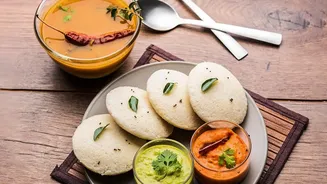
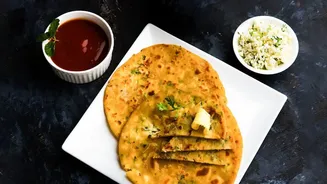
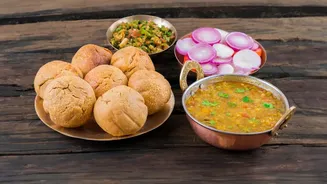
are looking past the brightly coloured boxes and rediscovering regional breakfast staples. From Maharashtra's humble poha and Gujarat's thepla to the South's iconic idli and dosa, traditional meals are making a major comeback. This isn't just about nostalgia; it's a conscious choice, driven by a renewed interest in what goes into their bodies and a desire to connect with their culinary heritage.
The Ultimate Wellness Meal
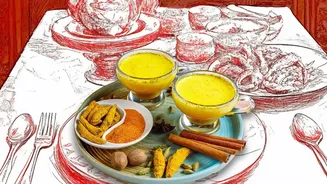
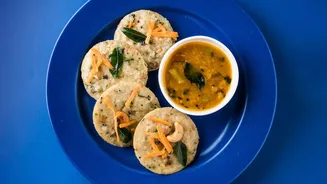
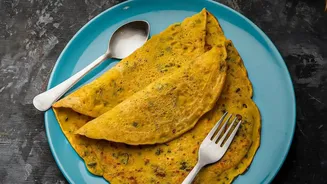
One of the biggest drivers of this trend is health. Unlike many processed breakfast options, traditional Indian meals are packed with nutritional value. Dishes like moong dal chilla are an excellent source of plant-based protein, while super-grains like ragi provide essential calcium and iron. Many South Indian breakfasts, such as idli and dosa, are made from fermented batter. This process not only makes them easier to digest but also enriches them with probiotics that promote good gut health. This focus on fresh, whole ingredients and balanced nutrition—combining complex carbohydrates, proteins, and fibre—provides sustained energy, preventing the mid-morning slumps associated with sugary meals.
Flavourful, Photogenic, and Viral
In the age of social media, we eat with our eyes first, and traditional Indian breakfasts are incredibly photogenic. A plate of poha, bright yellow with turmeric and garnished with fresh coriander and pomegranate seeds, is as vibrant as any smoothie bowl. The intricate lattice of a crispy dosa or the perfect roundness of a fluffy idli are made for Instagram. Food bloggers and content creators have played a significant role in this revival, showcasing the beauty and simplicity of regional recipes to millions of followers. By presenting these dishes in a modern, aesthetically pleasing way, they have made heritage cooking trendy and accessible to a new generation of food explorers.
Authenticity on a Plate
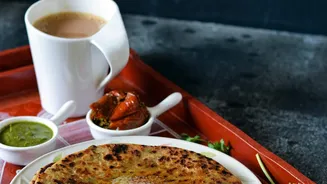
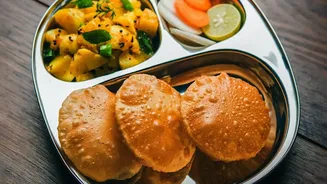
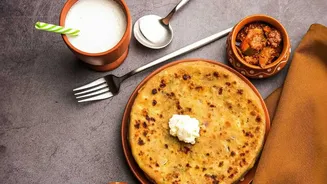
For a generation navigating a globalised world, food has become a powerful way to connect with their identity. Choosing to eat a traditional breakfast is a small but meaningful act of preserving cultural heritage. These dishes tell a story of regional agriculture, climate, and history. Rice-based breakfasts dominate in the South, where paddy fields are abundant, while wheat-based parathas are a staple in the North. This connection to place and tradition offers a sense of grounding and authenticity that can be hard to find in a homogenous global food culture. As people move to new cities for work and education, these familiar breakfast foods also serve as a comforting taste of home.
Modern Twists on Timeless Classics
This breakfast revival isn't about rejecting modernity entirely; it's about fusion. Young food explorers are not just replicating old recipes; they are reinventing them. Health-conscious cooks are incorporating millets into dosa batter, making upma with quinoa, and creating savoury pancakes with oats. Cafes are serving fusion creations like paneer-stuffed dosas or gulab jamun cupcakes, blending familiar Indian flavours with global formats. This innovative spirit makes traditional food exciting and relevant, proving that heritage recipes can evolve without losing their soul. It's this blend of the old and the new that truly defines the modern Indian breakfast table.