





The New Allure of Old-World Charm
For decades, hill stations were seen as pleasant, if slightly predictable, relics of the Raj—places for a family summer holiday or a quick escape from the city heat. But something has shifted. In an age of over-stimulation and digital burnout, the very
things that once made them feel dated are now their greatest strengths. The deliberate slowness, the colonial-era architecture, the ritual of an evening stroll down the Mall Road—it all offers a powerful antidote to modern chaos. Travellers are no longer just seeking a change of scenery; they are seeking a change of pace. The quiet dignity of a place like Shimla, Mussoorie, or Darjeeling offers a narrative of simplicity and calm that feels incredibly luxurious in today's world. It's a deliberate choice to unplug and reconnect with a more grounded, analogue version of life.
From Weekend Escape to Workation Hub
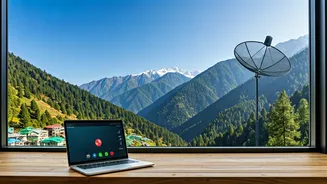
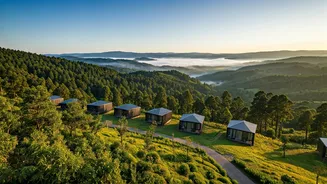
The pandemic-induced rise of remote work has fundamentally changed our relationship with travel and place. Hill retreats are no longer just for a 48-hour getaway. With a laptop and a decent internet connection, they have become viable 'workation' destinations for weeks or even months at a time. Young professionals and digital nomads are trading cramped city apartments for homestays with mountain views. This extended-stay culture is fostering a deeper, more immersive experience. Instead of a whirlwind tour of 'sightseeing points,' people are settling in, becoming temporary locals, discovering hidden cafes, and building routines. This shift has also spurred the growth of boutique homestays, guesthouses, and co-living spaces that cater specifically to this new breed of traveller who wants comfort and community, not just a hotel room.
The Social Media Aesthetic Shift
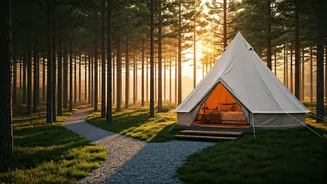
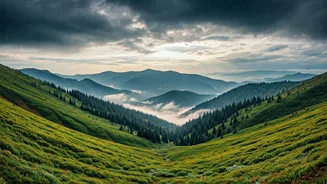
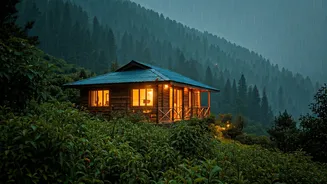
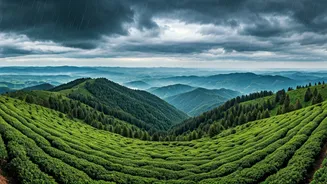
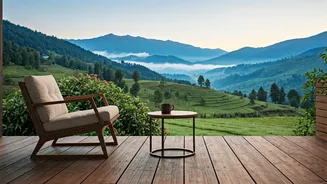
The visual language of travel on social media is also evolving. While turquoise waters and infinity pools still have their place, a different aesthetic is gaining massive traction: think misty forests, steaming cups of chai against a backdrop of rolling hills, cosy reading nooks, and vintage decor. This 'cottagecore' or 'quiet luxury' vibe is perfectly embodied by hill stations. Instagram and Pinterest are flooded with romanticised images of life in the mountains, influencing a generation to seek out these picture-perfect moments. It’s less about performative adventure and more about curating a mood of contemplative calm. This visual storytelling has given hill retreats a powerful new cultural currency, framing them not just as places to visit, but as an identity to aspire to—the thoughtful, book-reading, nature-loving main character.
A Move Towards Mindful Travel
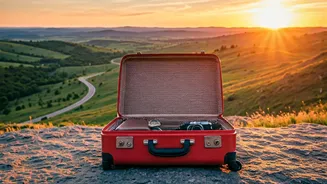
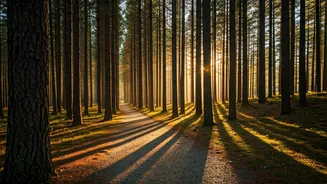
At its core, the resurgence of the hill retreat is part of a broader movement towards more conscious and sustainable travel. After years of chasing bucket-list destinations and packed itineraries, many are finding more meaning in local, slow, and mindful journeys. A trip to the hills encourages this. It’s about trekking through pine forests, supporting local artisans, and enjoying regional cuisine. It prioritises experience over extravagance. This isn't about roughing it; it's about finding luxury in simplicity—the luxury of fresh air, silence, and time. This trend has also benefited lesser-known destinations in Himachal, Uttarakhand, and the Nilgiris, as travellers look for authentic experiences away from the more commercialised hubs, further dispersing the economic benefits of tourism and encouraging a more sustainable model of travel.