
Why Native Plants Matter
Native plants are the foundation of a healthy local ecosystem. Unlike exotic ornamental plants, native species have co-evolved with local wildlife over thousands of years. This means they provide the right kind of food and shelter for native insects and birds.
For example, the flowers of a native hibiscus or jasmine are familiar and accessible food sources for local pollinators. These plants are also naturally adapted to the local climate and soil conditions, meaning they are often hardier and require less maintenance, water, and pesticides once established. Choosing native species helps create a stable, self-sustaining environment that is more resilient to local pests and diseases.
Your Balcony: A Vital Urban Pit Stop
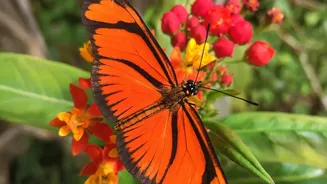
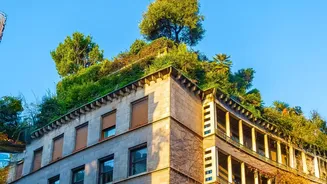
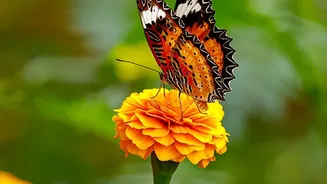
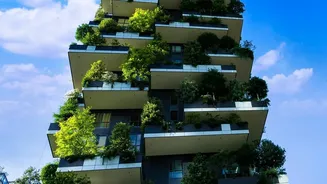
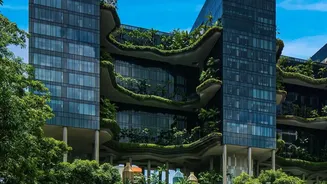
In sprawling cities, parks and green spaces can be few and far between. This fragmentation of habitat makes it difficult for pollinators like bees and butterflies to travel and find food. A well-planted balcony acts as a crucial 'stepping stone' or 'service station' in this urban desert. While a single balcony might seem small, a network of them across an apartment complex or a neighbourhood can create a significant corridor for wildlife. They offer a place to rest and refuel, helping to sustain populations of these essential creatures that are vital for pollinating plants, including many that contribute to our food supply.
Best Native Plants for Indian Balconies
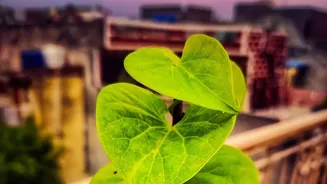
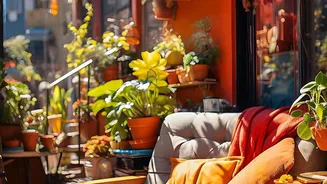
Creating a welcoming space for pollinators is easier than you think. Many beautiful and fragrant Indian native plants thrive in pots and containers. Consider starting with these: Marigold (Genda): These bright, hardy flowers are a magnet for bees and butterflies. They tolerate heat well and are one of the easiest flowers to grow in Indian conditions. Jasmine (Mogra/Chameli): Known for its intoxicating fragrance, jasmine varieties are beloved by moths and other nocturnal pollinators. These climbers can be trained along railings to create a green screen. Holy Basil (Tulsi): A staple in many Indian homes, Tulsi is not only revered but is also excellent at attracting bees. Its pest-repellent properties can also help protect other plants. Hibiscus (Gudhal): With their large, vibrant blooms, hibiscus plants are a favourite for sunbirds and butterflies. They grow well in large pots and flower throughout the year in many parts of India. * Butterfly Pea (Aparajita): This fast-growing climber with striking blue flowers is, as its name suggests, a favourite of butterflies. It requires minimal space and adds beautiful colour.
Creating a Complete Habitat
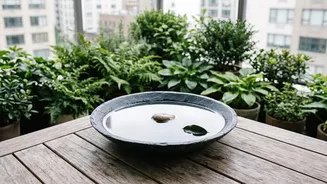
Beyond just planting flowers, a few simple additions can make your balcony even more inviting for wildlife. First, provide a source of water. A shallow dish or bowl filled with clean water can be a lifesaver for thirsty birds and insects, especially during hot summers. Adding a few pebbles to the dish gives smaller insects a safe place to land and drink. Second, avoid using chemical pesticides. These can be harmful to the very pollinators you are trying to attract. Many native plants are naturally resistant to local pests anyway. Finally, try to create variety. Using plants of different heights and textures provides both food sources and shelter, making birds and insects feel safer and more protected from predators.